

 中文简体
中文简体
 English


Content
- 1 Redefining Speed with Direct-Acting Technology
- 2 Simplifying Maintenance Through Innovative Design
- 3 High-Density Integration for Modern Workspaces
- 4 User-Centric Features for Easy Commissioning
- 5 Technical Specifications at a Glance
- 6 Versatility Across Electrical Platforms
- 7 The Path Forward in Fluid Control
In the rapidly evolving landscape of industrial automation, the demand for components that combine speed, reliability, and space-saving design has never been higher. Engineers and system designers are constantly searching for ways to streamline their fluid power systems without compromising on performance.
Addressing these modern challenges, a new standard has emerged in the realm of direct-acting valve technology. This latest innovation focuses on a "no-nonsense" approach to pneumatic control, prioritizing ease of installation and long-term durability.
Redefining Speed with Direct-Acting Technology
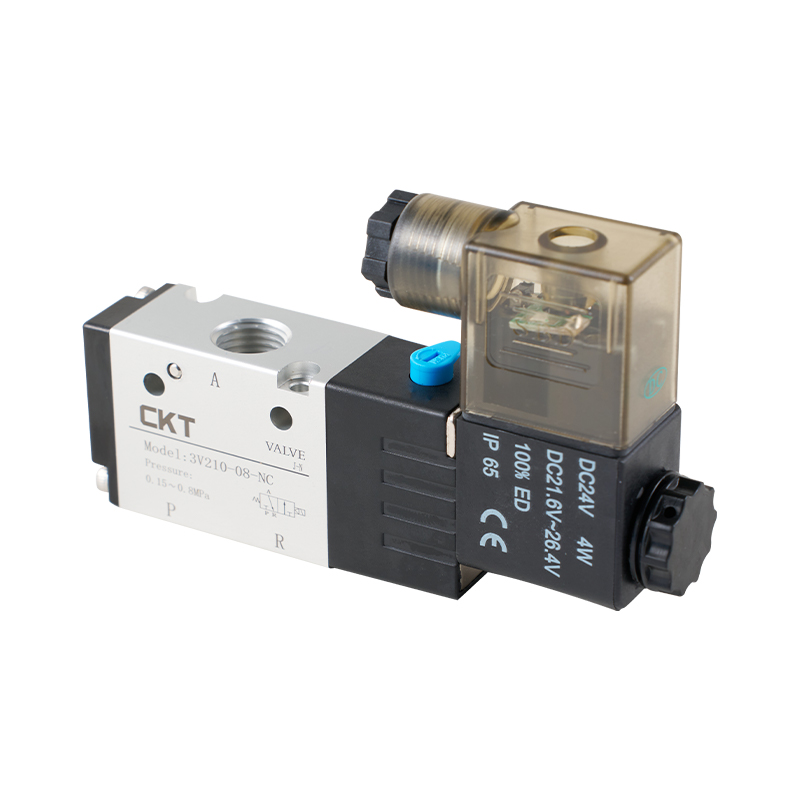
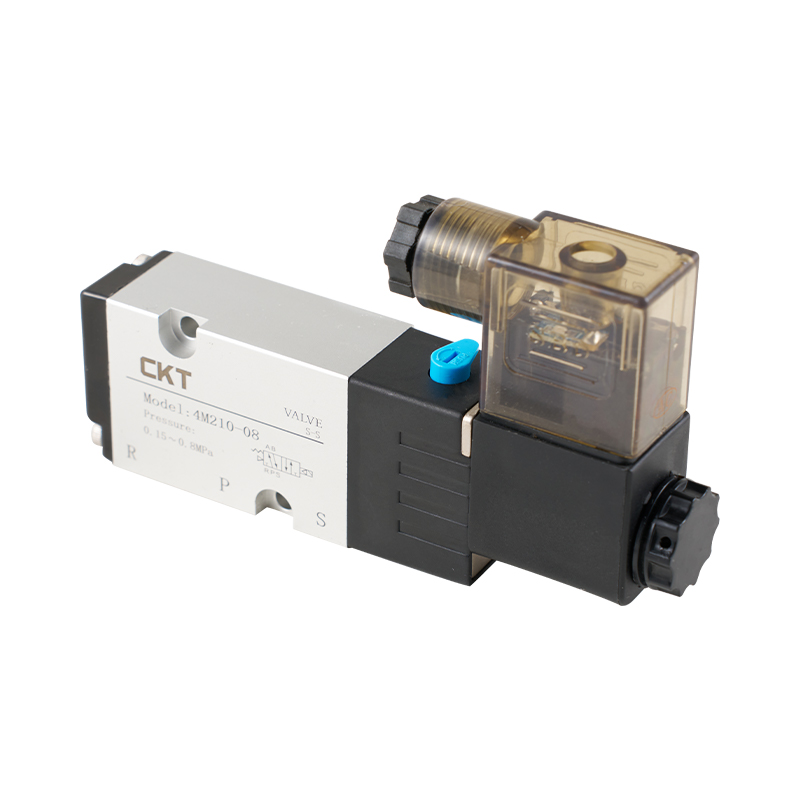
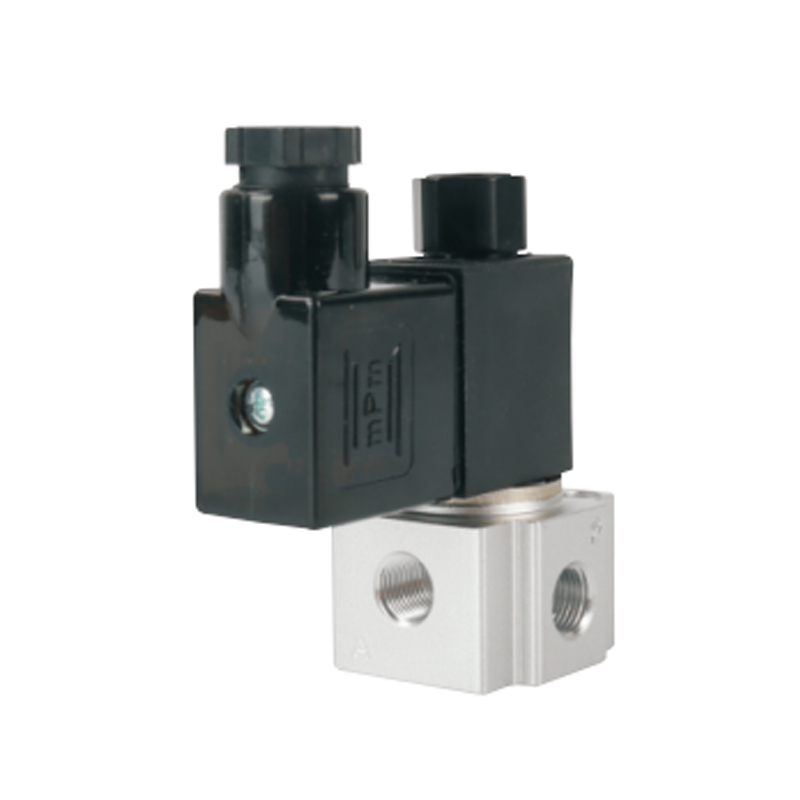
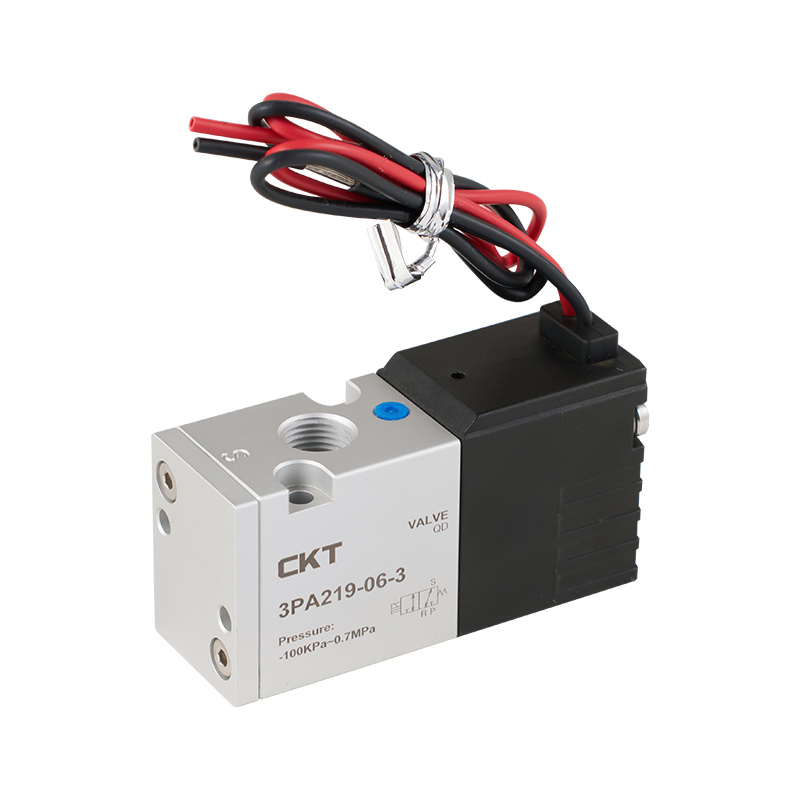
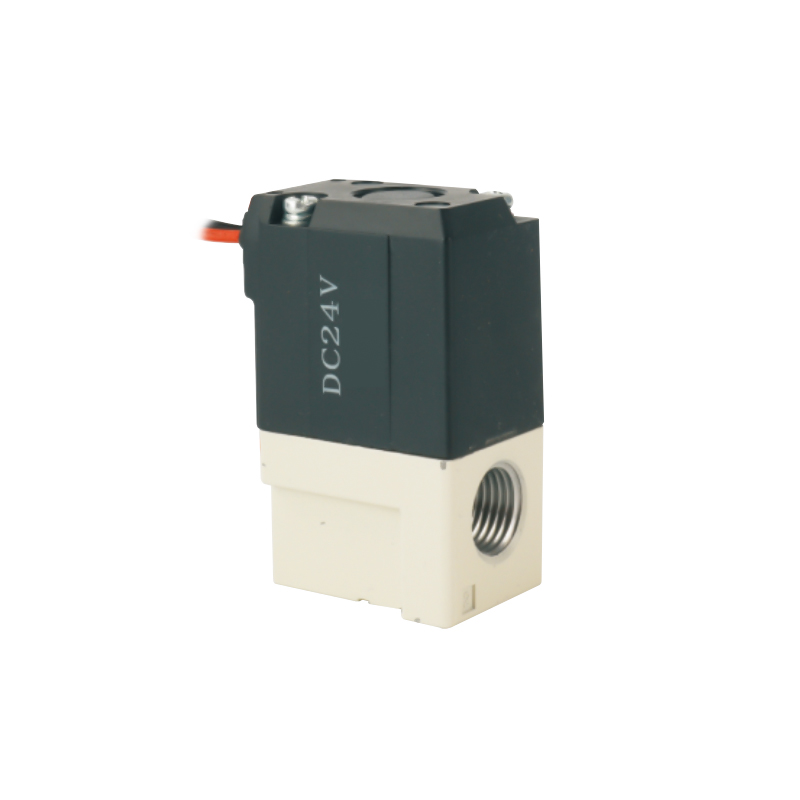
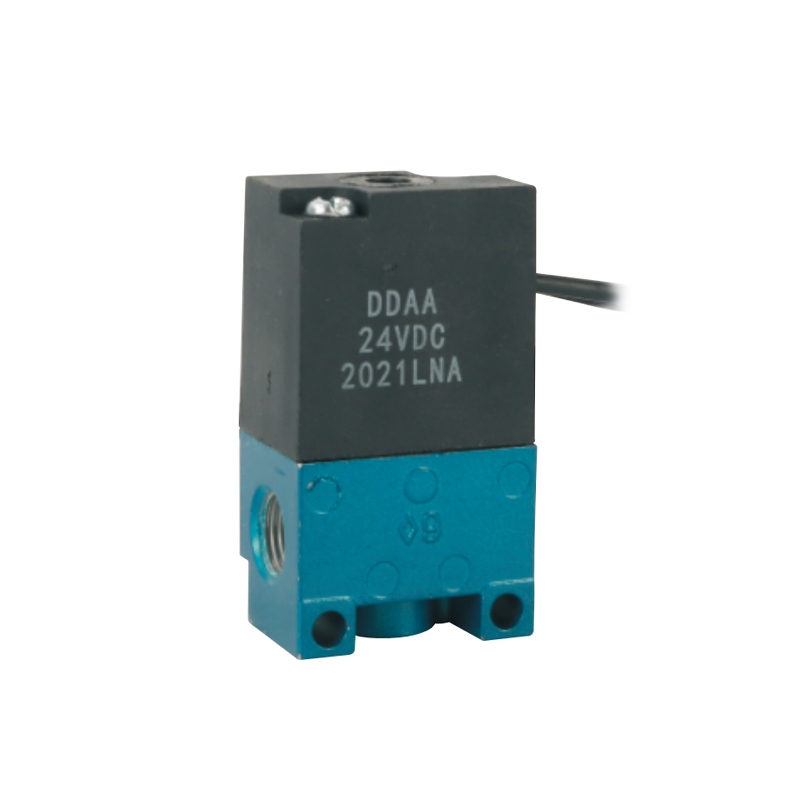
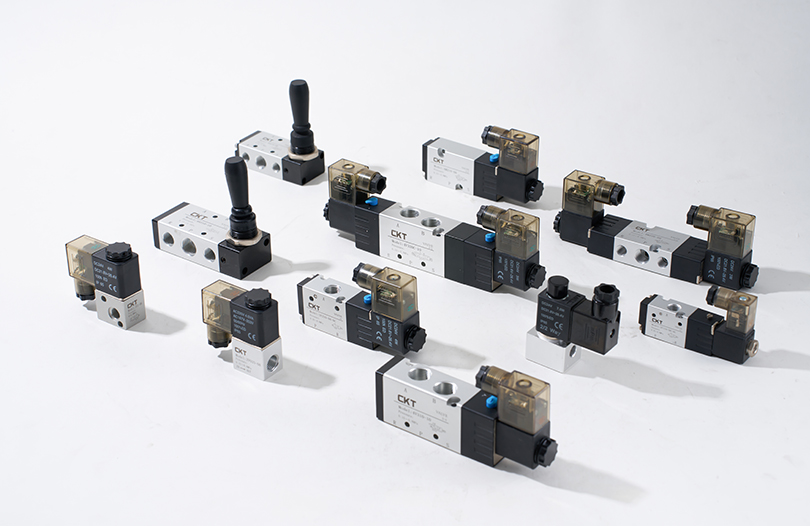
One of the most significant hurdles in automated systems is latency. When a controller sends a signal, the physical response must be nearly instantaneous to ensure precision. The 3V1 Series Direct Acting 3 Way Solenoid Valve solves this by utilizing a direct-acting mechanism.
Unlike pilot-operated valves that require a minimum pressure differential to function, this series uses the electromagnetic force of the solenoid to move the internal plunger directly. This design choice ensures that the valve switches the fluid path the moment it receives power. Whether you are managing high-speed sorting lines or precision laboratory equipment, the immediate response of these valves minimizes downtime and maximizes throughput.
Why Direct-Acting Matters
-
Zero Pressure Start: Operates reliably even at low pressures.
-
Fewer Moving Parts: Increases the lifespan of the component.
-
Consistency: Delivers the same reaction time across thousands of cycles.
Simplifying Maintenance Through Innovative Design
In traditional pneumatic systems, lubrication is often a "necessary evil." It keeps parts moving but requires constant monitoring and can lead to contamination in sensitive environments.
The internal architecture of this new solenoid valve series is engineered for lubrication-free operation. By using high-quality internal seals and friction-reducing materials, the valve operates smoothly without the need for added oil or grease. This not only simplifies the routine maintenance schedule but also ensures that the surrounding air or fluid remains clean, making it an ideal choice for industries where hygiene and purity are paramount.
High-Density Integration for Modern Workspaces
As machinery becomes more complex, the space available for internal components shrinks. The "Compact Integration Capability" of this series is a game-changer for equipment manufacturers.
The valves are designed with a unique, slim profile that allows them to be mounted side-by-side in a manifold or tight configuration. This "stackable" nature allows for a high installation density, meaning more control power can be packed into a smaller footprint.
Comparison of Integration Benefits
| Feature | Standard Solenoid Valves | The New Compact Series |
| Space Required | High (Bulky individual mounts) | Minimal (Integrated manifold capability) |
| Installation Time | Moderate | Fast (Streamlined mounting) |
| System Weight | Heavier | Lightweight, optimized design |
| Scalability | Difficult to expand in tight spaces | Highly scalable and modular |
User-Centric Features for Easy Commissioning
Technicians often face difficulties during the initial setup of a pneumatic system. Checking the flow direction or verifying that a circuit is wired correctly can be time-consuming if the valve can only be triggered electronically.
To bridge this gap, these valves are equipped with manual override buttons. During the commissioning phase, a technician can manually actuate the valve to check the fluid path and function without needing to power the entire control system. This simple addition significantly reduces the time required for system testing and troubleshooting, ensuring that projects stay on schedule.
Technical Specifications at a Glance
To help you determine the right fit for your specific application, the following table outlines the core technical capabilities of the series:
| Specification Item | Details & Options |
| Action Type | Direct Acting |
| Valve Function | 2-Position 3-Way (Normally Closed) |
| Lubrication | Not Required (Self-lubricating) |
| Manual Override | Included (Push-button style) |
| Voltage Options | DC12V, DC24V, AC110V, AC220V |
| Application | Air, Inert Gases |
| Mounting Style | Individual or Manifold Integrated |
Versatility Across Electrical Platforms
Every region and every facility has different electrical standards. Some systems run on low-voltage DC for safety, while others utilize standard AC mains power. Recognizing this diversity, the series offers a wide range of electrical adaptability.
With multiple standard operating voltage specifications available, these valves can be integrated into existing control circuits without the need for expensive transformers or power converters. From small-scale DIY automation projects to massive industrial factory floors, the electrical flexibility ensures a seamless "plug-and-play" experience.
The Path Forward in Fluid Control
The introduction of this direct-acting three-way valve represents a commitment to practical engineering. By focusing on fast response times, maintenance-free operation, and compact footprints, it addresses the most common pain points faced by modern engineers. It is more than just a component; it is a reliable building block for the next generation of efficient machinery.