

 中文简体
中文简体
 English


Content
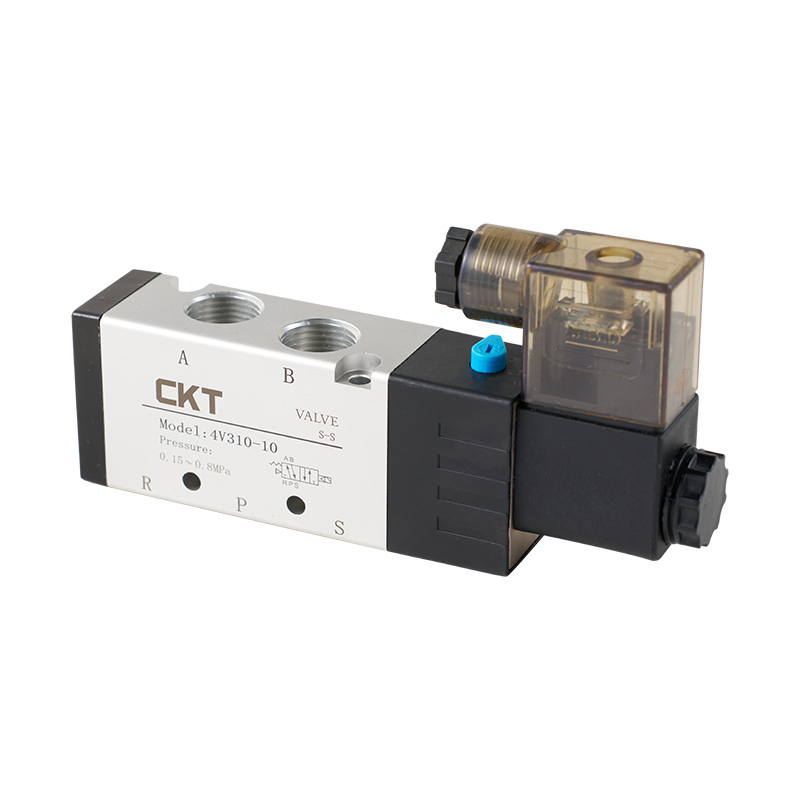
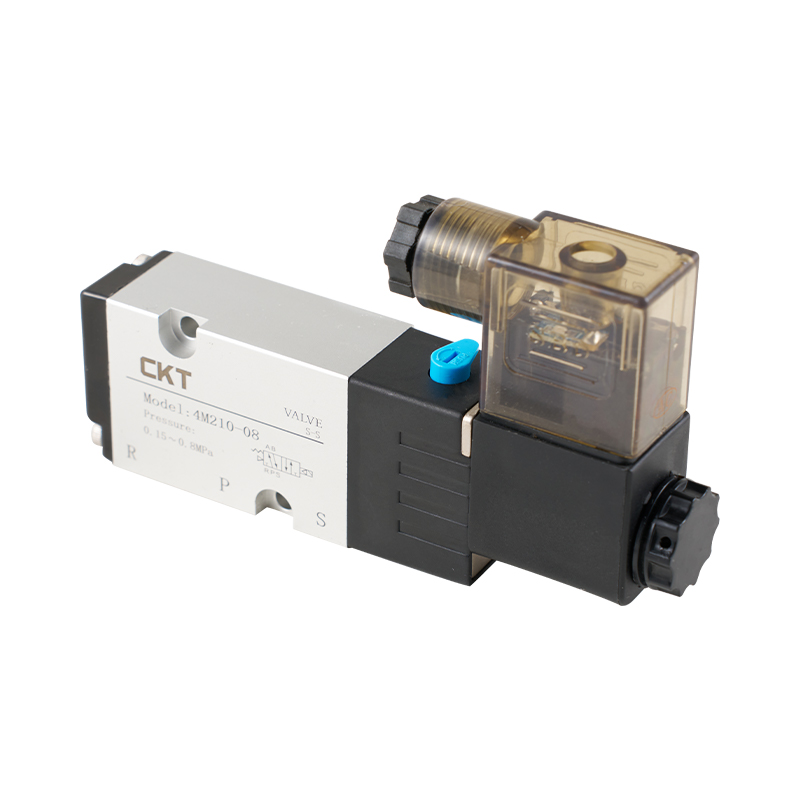
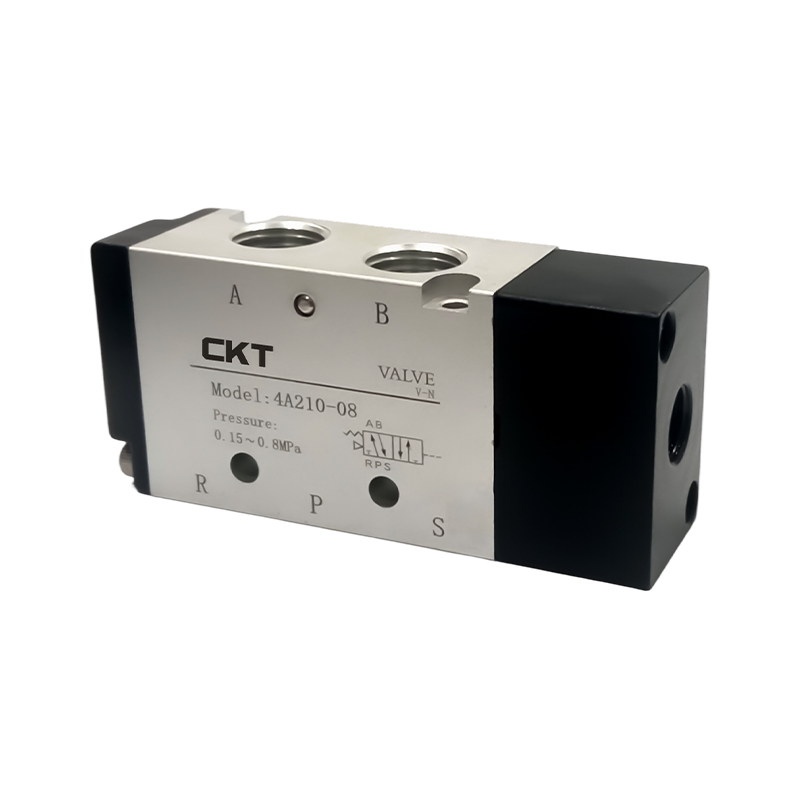
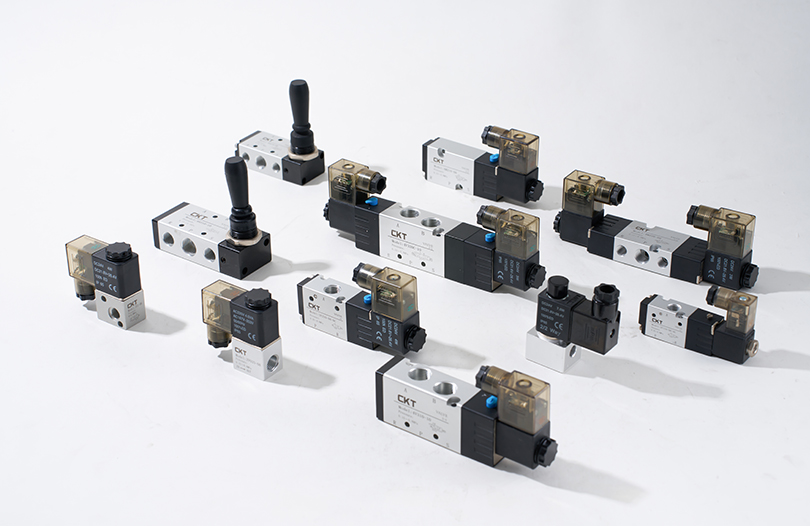
In the world of high-speed industrial automation, the ability to control pneumatic actuators with absolute repeatability is the difference between a high-yield production line and costly downtime. The 4A Series 5-Way Air Control Valve is a universal directional control solution engineered to bridge this gap. Utilizing a sophisticated sliding column design, this valve translates air control signals into precise mechanical movement, managing the flow of compressed air with unmatched efficiency.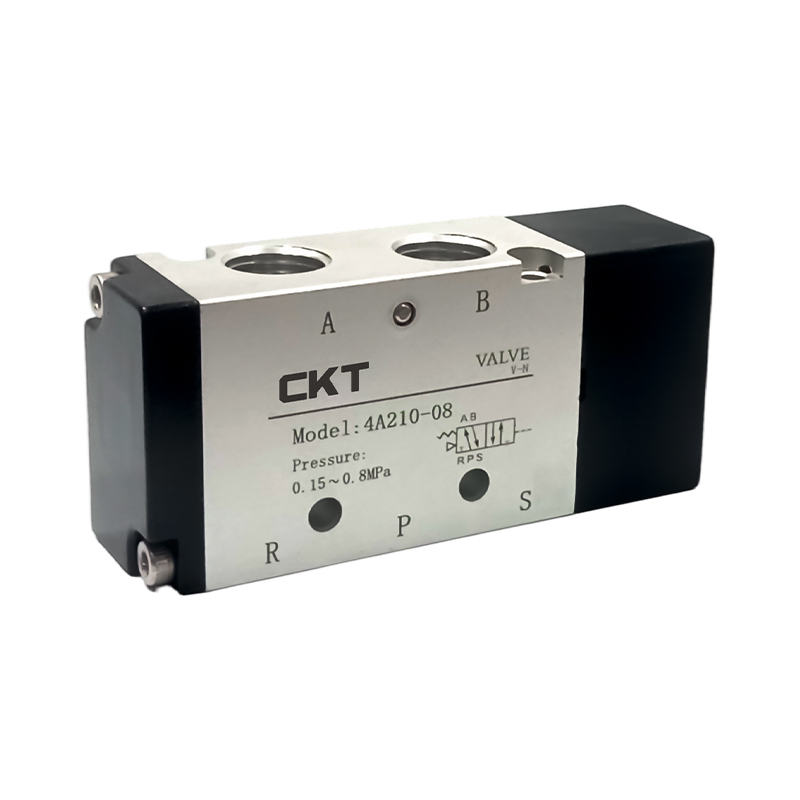
Engineers often ask: "How can we maintain actuator position when a control signal is lost?" The 4A Series addresses this through its advanced memory function and flexible center-position configurations. Whether your system requires a center seal to hold a load or a center exhaust to release pressure, this series provides the technical versatility needed for complex safety and operational protocols in modern manufacturing.
Technical Innovations: The Sliding Column Design and Sealing Reliability
The internal architecture of the 4A Series is based on a precision-engineered sliding column. Unlike traditional poppet valves, the sliding column allows for a balanced force distribution, which results in a highly responsive switching action even at lower pilot pressures. This design inherently minimizes internal friction, extending the service life of the valve core during continuous, high-frequency operation.
| Feature | Technical Specification | Industrial Benefit |
|---|---|---|
| Valve Structure | Sliding Column Principle | Zero Leakage & High Speed |
| Lubrication | Oil-Free Self-Lubricating | Clean Air & Low Maintenance |
| Center Positions | Seal, Leakage, Pressure | Fail-Safe Customization |
| Installation | Modular Manifold Base | Saves Up to 40% Space |
One of the standout data points for the 4A series is its oil-free self-lubricating capability. By optimizing the polymer seals and internal surface finish, the valve can operate reliably on standard compressed air without the need for supplementary mist lubrication. This not only reduces the cost of consumables but also prevents oil contamination in sensitive environments like food packaging or pharmaceutical labs.
Flexible Configuration for Diverse Working Conditions
Three-Position Valve Control Strategies
The 4A Series offers specialized "three-position" types that are essential for specific actuator behaviors. For example, the center seal configuration is used to lock a cylinder in its current position when the pilot air is exhausted, while the center pressure option keeps both sides of a cylinder pressurized to prevent sudden movements upon system restart.
- Ensures actuator stability during emergency stop sequences.
- Provides a "memory function" in double-head air control models to maintain the last known state.
- Allows for intermediate positioning of heavy loads without mechanical stops.
Space-Saving Modular Manifold Integration
As equipment becomes increasingly compact, the 4A Series supports "side-by-side" mounting on a common manifold base. This modular valve group layout simplifies the plumbing of the gas path, reducing the risk of tubing entanglement and making diagnostic checks significantly faster for maintenance personnel.
Economic Impact: Reducing Total Cost of Ownership (TCO)
Integrating the 4A Series into your pneumatic system offers a clear path to reduced operational costs. The combination of high responsiveness and the self-lubricating design reduces the "wear and tear" on both the valve and the actuators it controls. In long-term testing, the 4A Series has demonstrated the ability to exceed millions of cycles with negligible seal degradation.
Key operational advantages include:
- Lower pilot air consumption, reducing the overall demand on the plant compressor.
- Simplified maintenance through the elimination of inline lubricators.
- Enhanced system uptime due to the reliable state-retention characteristics.
Conclusion: The Standard for Directional Air Control
The 4A Series 5-Way Air Control Valve represents the evolution of pneumatic directional control. By focusing on core reliability, flexible state maintenance, and a compact footprint, it serves as the ideal interface between control logic and mechanical execution.
For manufacturers seeking to modernize their equipment, the transition to self-lubricating, modular valve systems like the 4A Series is a strategic move that pays dividends in both performance and longevity. Whether you are managing simple cylinder extension or complex multi-actuator coordination, the 4A Series provides the sealing reliability and functional memory required to keep your production moving at peak efficiency.