

 中文简体
中文简体
 English



Content
- 1 The Direct Answer: What Actually Happens When Power Is Lost
- 2 Core Definitions and Operating Mechanisms
- 3 When to Choose Fail Open Valves
- 4 When to Choose Fail Close Valves
- 5 A Practical Decision Framework for Valve Selection
- 6 Common Misconceptions About Fail Open and Fail Close
- 6.1 Misconception 1: Fail Open Is Always the Safer Choice
- 6.2 Misconception 2: Double-Acting Valves Automatically Return to a Safe Position
- 6.3 Misconception 3: Fail Safe Means Fail Close
- 6.4 Misconception 4: Spring Force Is Only a Minor Consideration
- 6.5 Misconception 5: The Fail Position Is Always Visible
- 7 Frequently Asked Questions
- 7.1 Q1: What does fail open mean in a pneumatic valve?
- 7.2 Q2: What does fail close mean in a pneumatic valve?
- 7.3 Q3: Which is safer, fail open or fail close?
- 7.4 Q4: How do I tell if a pneumatic valve is fail open or fail close?
- 7.5 Q5: What happens if both electrical power and air supply are lost?
- 7.6 Q6: Can a fail close valve be changed to fail open?
- 7.7 Q7: What is the difference between fail safe and fail open/close?
- 7.8 Q8: Do I need a special valve for fail open or fail close operation?
- 8 Practical Recommendations for System Design
The Direct Answer: What Actually Happens When Power Is Lost
When a pneumatic valve loses its control signal or electrical power, it does not stay in its current position. It returns to a predetermined resting state. That resting state is either fail open or fail close.
A fail open valve moves to the open position when energy is lost. The flow of compressed air, gas, or process fluid continues. A fail close valve moves to the closed position when energy is lost. The flow is completely blocked.
There is no universally correct answer. The right choice depends entirely on this question: if power fails right now, is it safer to keep the medium flowing or to stop it completely?
In practice, gas supply lines, chemical dosing lines, and process isolation circuits almost always use fail close valves. Cooling loops, ventilation ducts, and emergency exhaust paths almost always use fail open valves. The selection is driven by which failure mode creates the smaller safety risk.
Core Definitions and Operating Mechanisms
Understanding the physical mechanism behind fail open and fail close valves helps you make the right selection. Both terms describe the resting position of a valve when the energy that holds it in its energized state is removed.
How a Fail Open Valve Works
In a spring-return solenoid valve, the return spring is sized and positioned so that when the coil loses power, the spring force pushes the valve spool toward the open seat. The flow path remains unrestricted. This design is chosen when the process needs the medium to keep moving during a failure.
The spring force must overcome the fluid pressure differential to ensure the valve actually opens. In pneumatic systems with variable supply pressures, verify the spring force against the maximum system pressure. If the spring is too weak, the valve may stall in an intermediate position, which defeats the fail open purpose.
How a Fail Close Valve Works
The fail close valve uses the same spring-return design, but the spring pushes the spool in the opposite direction toward the closed seat. When power is removed, the spring forces the valve shut, blocking all flow. This is the standard arrangement for fuel supply shutoff, chemical injection lines, and safety isolation valves.
The spring must be strong enough to close the valve against maximum upstream pressure. In compressed air systems, this means the spring force must exceed the force generated by the full system pressure acting on the seat area. A valve that fails to close completely under pressure is a serious safety hazard.
| Parameter | Fail Open | Fail Close |
|---|---|---|
| Position on power loss | Valve opens; flow continues | Valve closes; flow stops |
| Primary safety goal | Availability and continuity | Containment and isolation |
| Typical applications | Cooling, ventilation, exhaust | Fuel, gas, chemical, isolation |
| Hazard prevented | Overheating, pressure buildup | Leakage, contamination, runaway |
| Spring action | Spring pushes valve open | Spring pushes valve shut |
When to Choose Fail Open Valves
Fail open valves are selected when maintaining flow is more important than stopping it during a failure. This usually means the process depends on the medium continuing to move to prevent equipment damage or a dangerous condition.
Ventilation and Exhaust Systems
In a hazardous gas environment, keeping the exhaust valve open allows toxic or flammable gases to be evacuated. If the valve closed on power loss, the gas could accumulate and create an explosive atmosphere. In welding booths, paint booths, and chemical fume hoods, the exhaust path must remain open even during a control system failure.
Cooling Water Circuits
Process equipment that relies on cooling water can suffer catastrophic damage if the cooling loop is interrupted. A fail open valve on the cooling water supply ensures that coolant continues to flow when the control system loses power. This is a common choice in die casting machines, plastic injection molding, and induction heating equipment.
In a 24/7 production environment, a 10-minute interruption in cooling water can cause molds to warp, seals to degrade, and finished parts to be scrapped. For a manufacturer running 3 shifts, this is not hypothetical downtime; every hour of unplanned shutdown can cost tens of thousands of dollars in lost output.
Emergency Pressure Relief Lines
Process vessels with a risk of overpressure use relief paths that must stay open. If the control valve closes during power loss, the trapped pressure could exceed the vessel rating. A fail open valve on the relief line prevents this dangerous condition.
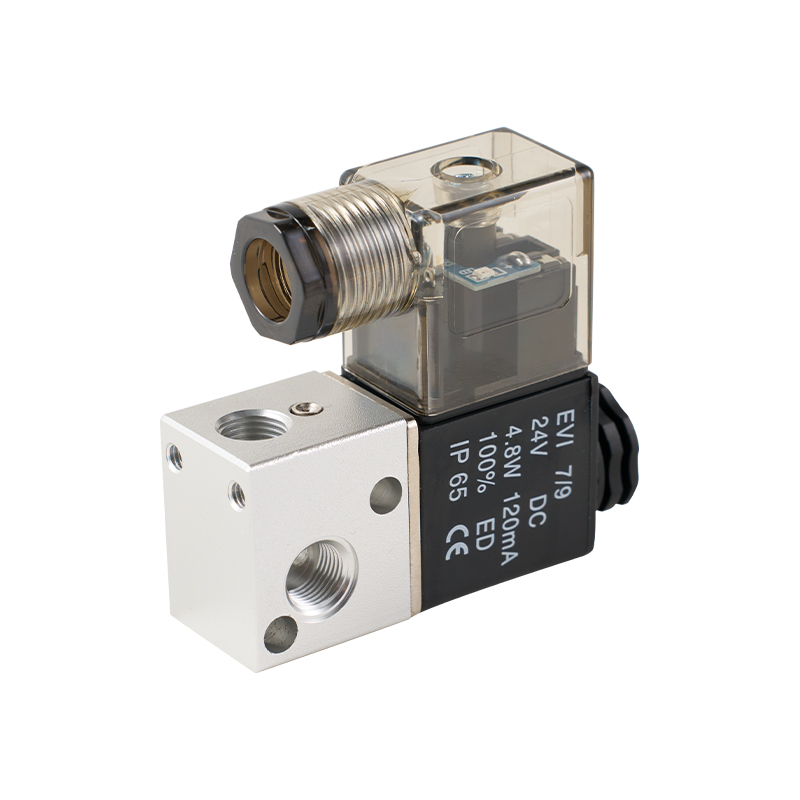
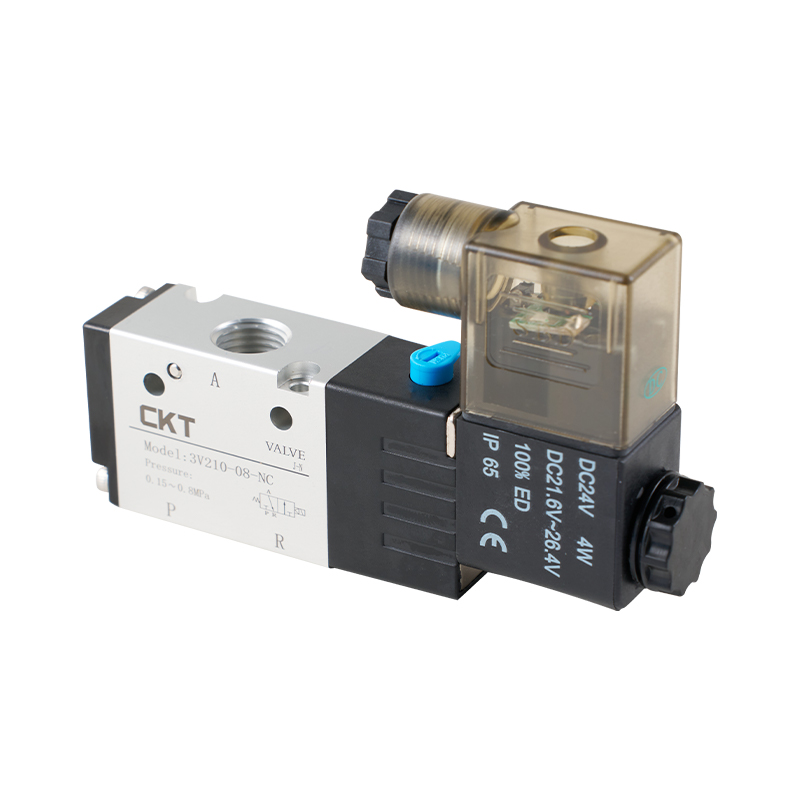
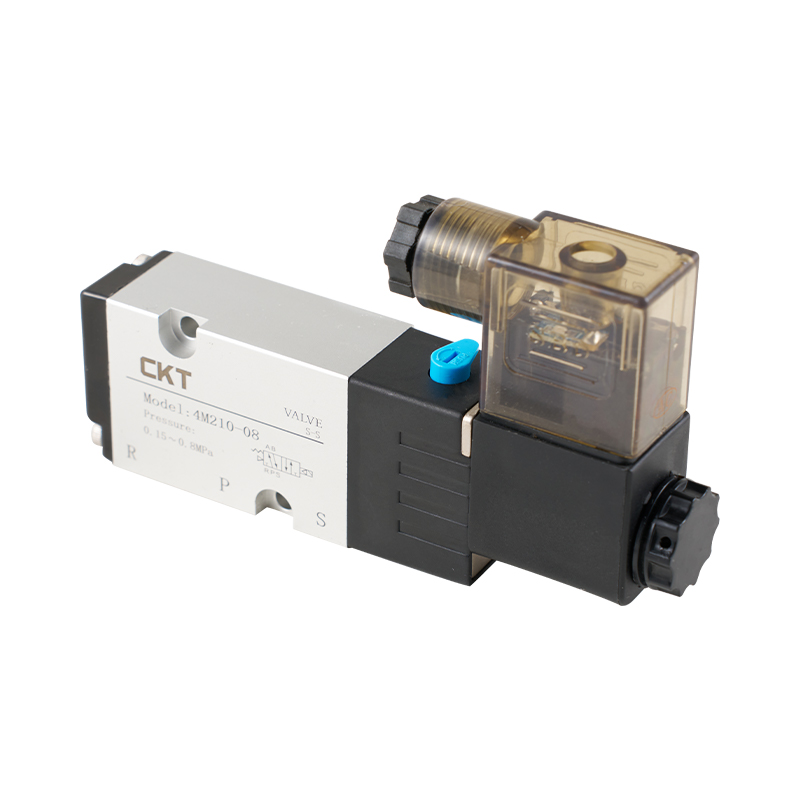
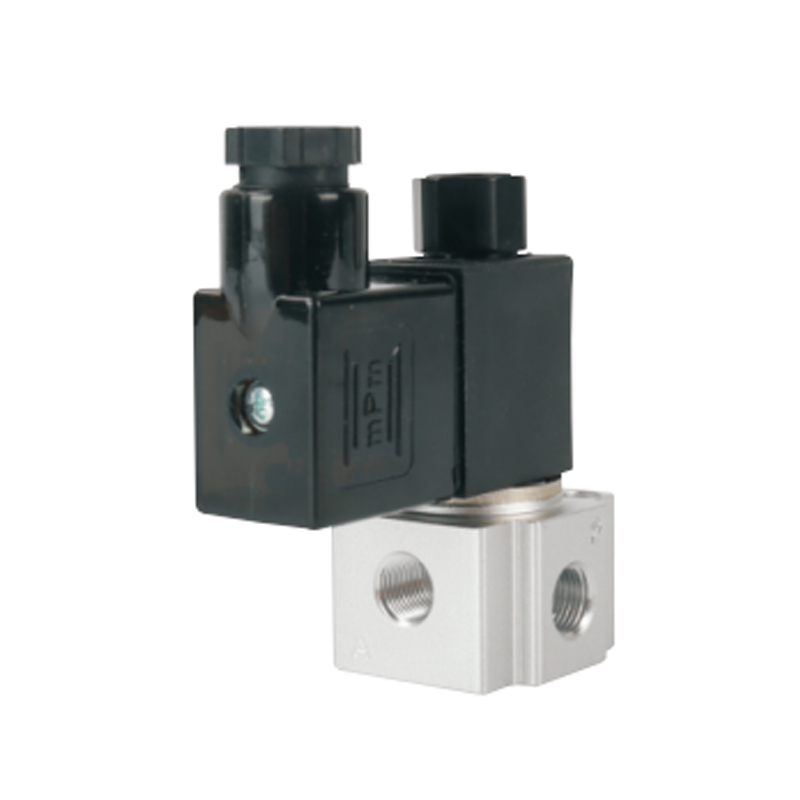
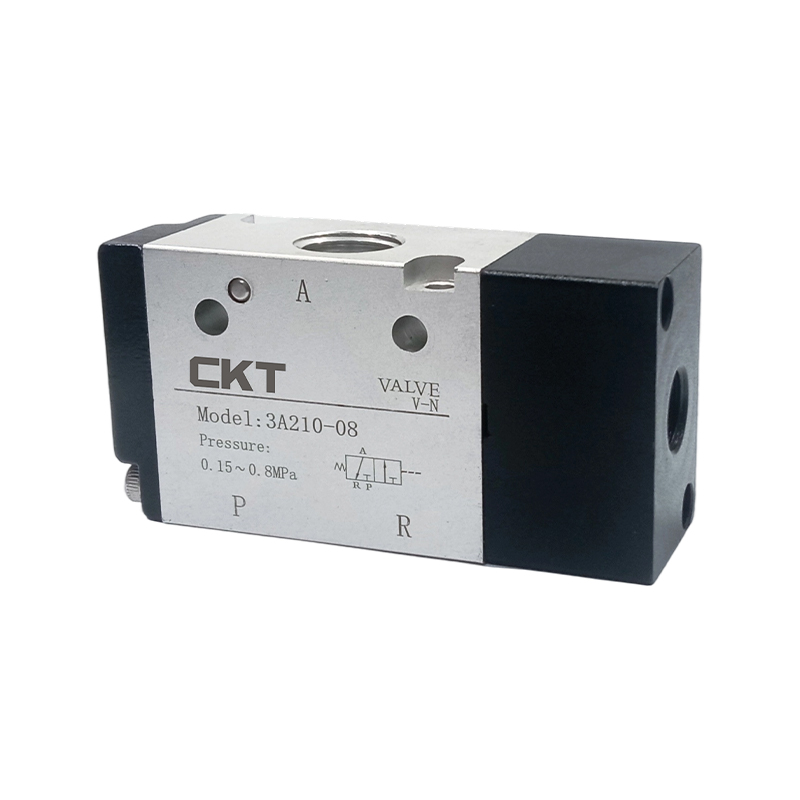
For these applications, a 3-way air control valve can be configured with the fail open position to direct flow toward the safe exhaust path. The 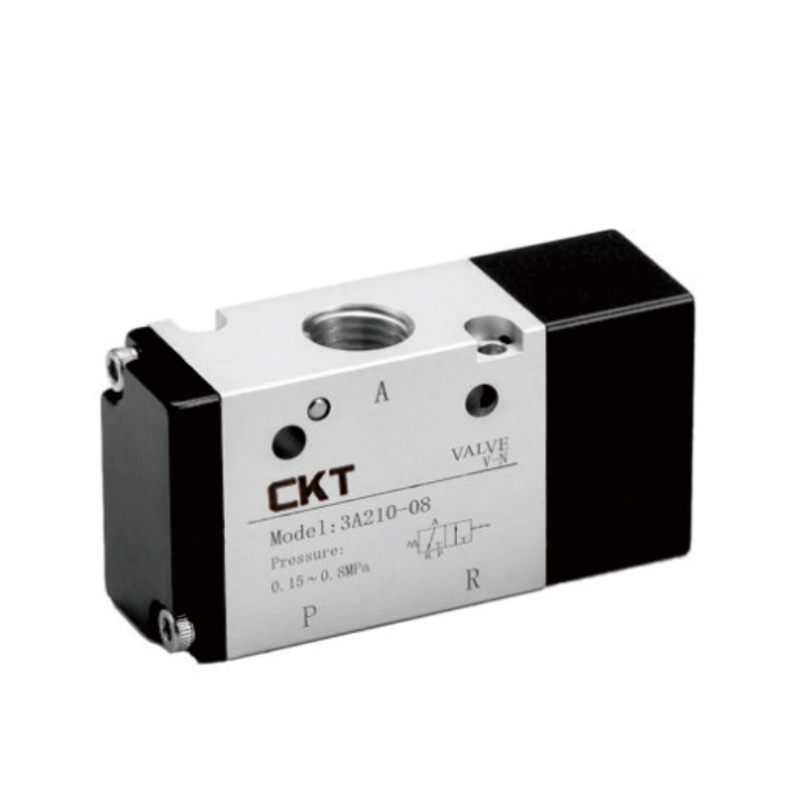 3A Series 3-Way Air Control Valve for Fail-Open Safety ApplicationsThis 3-way air control valve is designed for fail-open positioning, ensuring flow diverts to a safe exhaust path during power loss. Its direct-acting design and dual control memory function support reliable switching, making it suitable for hazardous media containment in industrial fluid control.View Product → is a common choice in this class of applications.
When to Choose Fail Close Valves
Fail close valves are selected when stopping flow is more important than maintaining it. This usually involves hazardous media, expensive products, or processes where lack of containment creates a serious risk.
Gas and Fuel Supply Lines
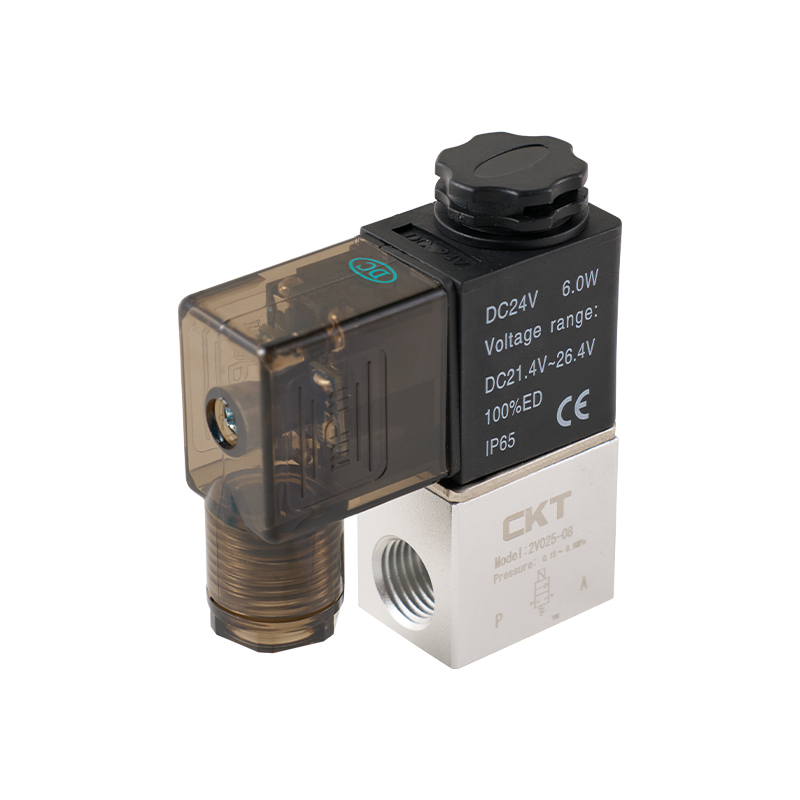
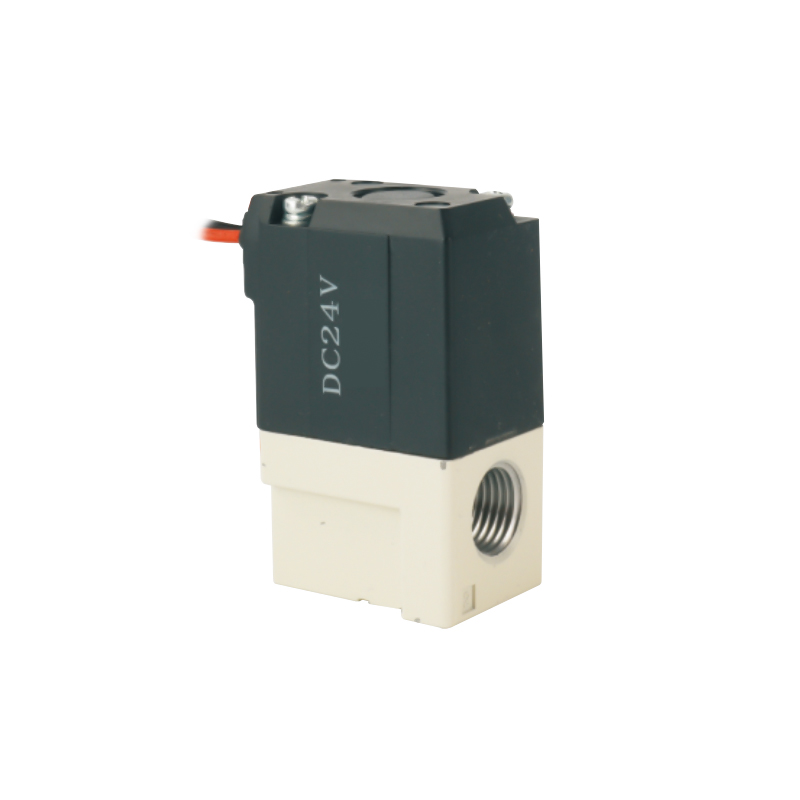
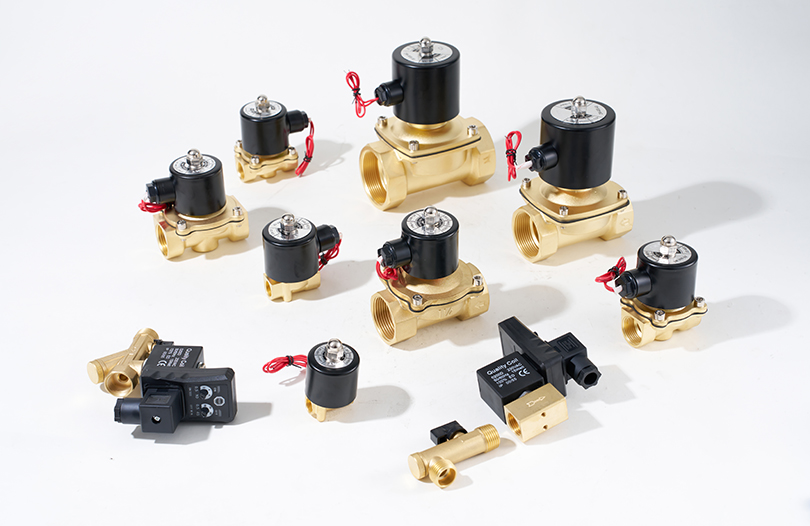
In natural gas, propane, or other fuel supply systems, a leak is the primary hazard. A fail close valve ensures that when power is lost, the fuel supply is cut off. This prevents the accumulation of combustible gas in enclosed spaces. The 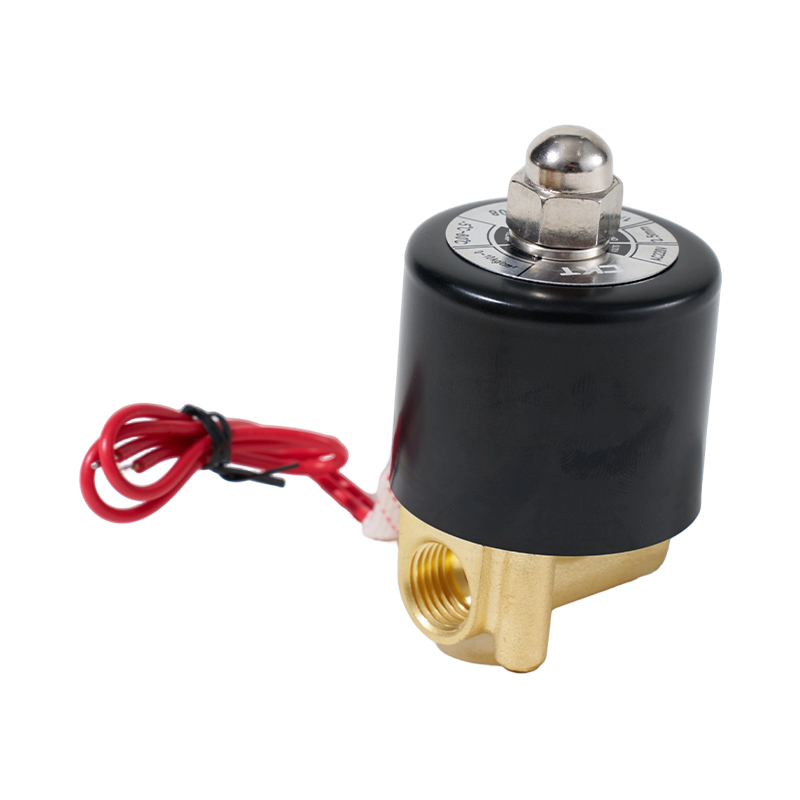 2W Series 2/2-Way Brass Solenoid Valve for Gas Shutoff and Fluid ControlThis direct-acting brass solenoid valve provides fail-close operation, cutting off fuel supply when power fails. It handles gases, liquids, and light oils with zero-pressure start capability, reducing leak risks in combustion and chemical dosing systems.View Product → is widely used for gas shutoff and fluid control in industrial processes.
Chemical Dosing and Injection Lines
A chemical dosing pump that continues injecting after a control failure can cause over-dosing, leading to a violent reaction or contaminated product. In wastewater treatment, for example, an excess of flocculant can destabilize the settling process and force the plant to dump millions of gallons of poorly treated water. A fail close valve is the standard safeguard.
Compressed Air Safety Circuits
In automated assembly equipment, a fail close valve on the compressed air supply can retract moving actuators and stop the cycle. This prevents a cylinder from continuing its stroke when the machine loses power, which protects maintenance personnel from crush injuries.
In a stamping press, if the air cylinder that holds the die remains extended after a power failure, an operator entering the press area could be seriously injured. A fail close valve on the main air supply ensures that all actuators return to their safe, retracted position.
A Practical Decision Framework for Valve Selection
Selecting between fail open and fail close is not a coin flip. It is a structured safety decision. Use the following decision process to determine the correct configuration for your application.
Step 1: Identify the Failure Hazard
Ask: what happens if flow continues, and what happens if flow stops? Write down both failure scenarios. For example, in a hydraulic press, if the directional control valve fails to the open position, the press may continue closing. If it fails to the closed position, the press stops safely. For most press safety applications, fail close is the correct choice.
Step 2: Assess the Consequence Severity
Classify the consequences of each failure mode. A failure that causes a leak of hazardous material is usually more severe than a failure that causes a temporary loss of production. Conversely, a failure that causes equipment overheating may be more severe than a brief interruption in normal flow. Rate your scenarios as low, medium, or high severity.
Step 3: Consider the Process Operating Philosophy
Many industries follow established conventions. Gas and fuel supply systems prefer fail close. Cooling and ventilation systems prefer fail open. When in doubt, follow the process industry conventions for your specific application type.
| Application Condition | Recommended Fail Position | Reason |
|---|---|---|
| Cooling water supply | Fail Open | Prevents equipment overheating |
| Gas or fuel supply | Fail Close | Prevents hazardous gas leaks |
| Exhaust and ventilation | Fail Open | Removes dangerous gases |
| Chemical injection | Fail Close | Prevents over-dosing and pollution |
| Machine safety air circuit | Fail Close | Retracts actuators for operator safety |
| Vacuum holding system | Fail Close | Keeps workpiece held during power loss |
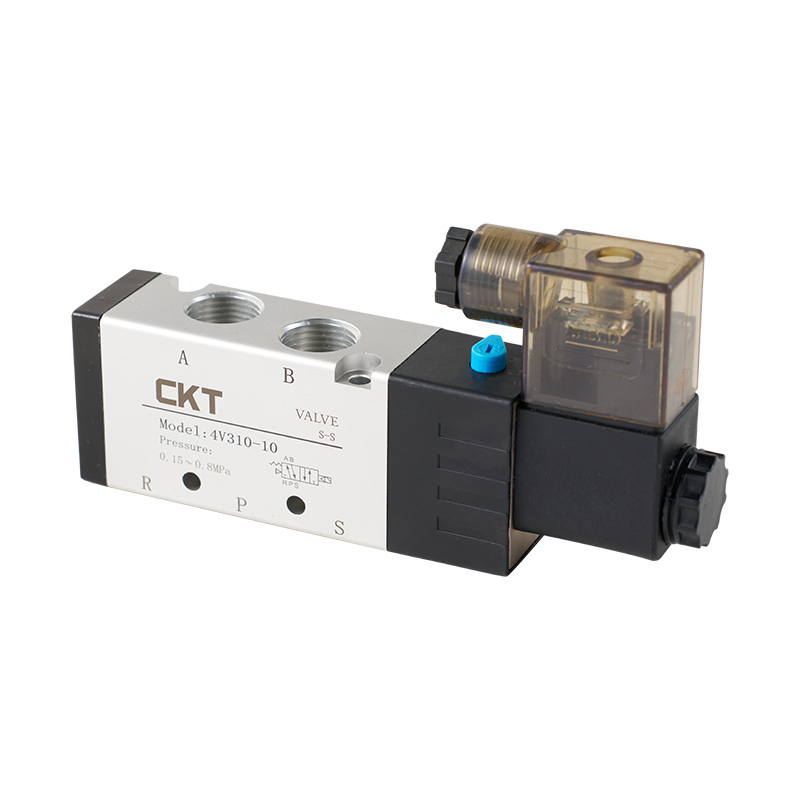
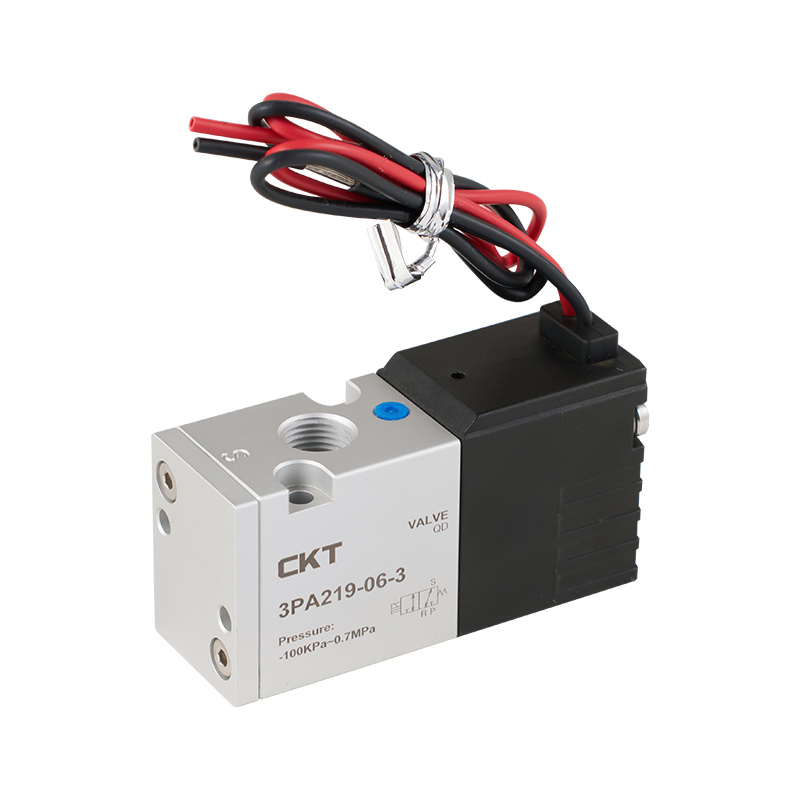
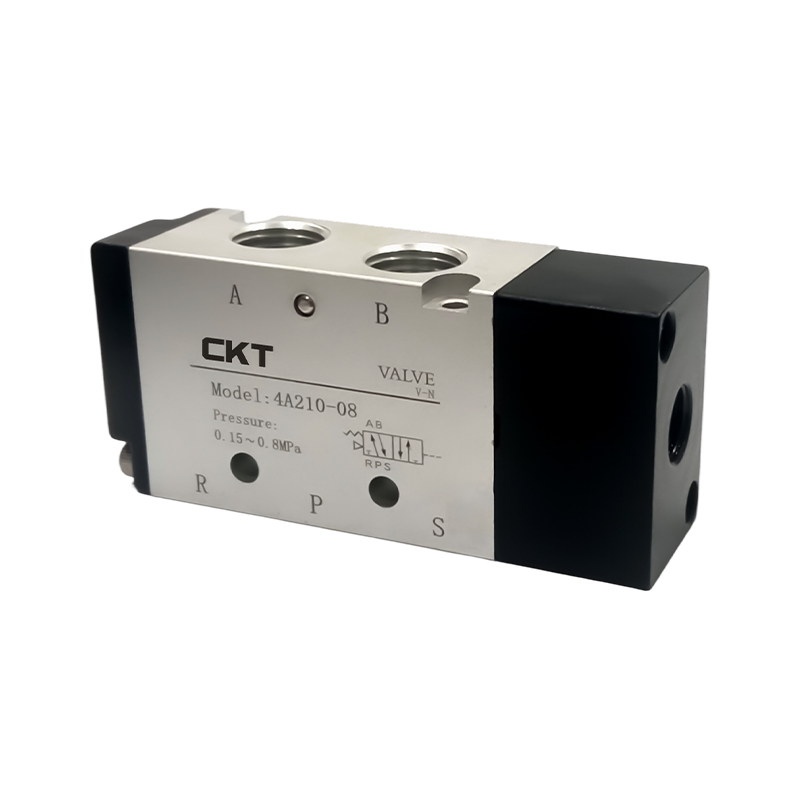
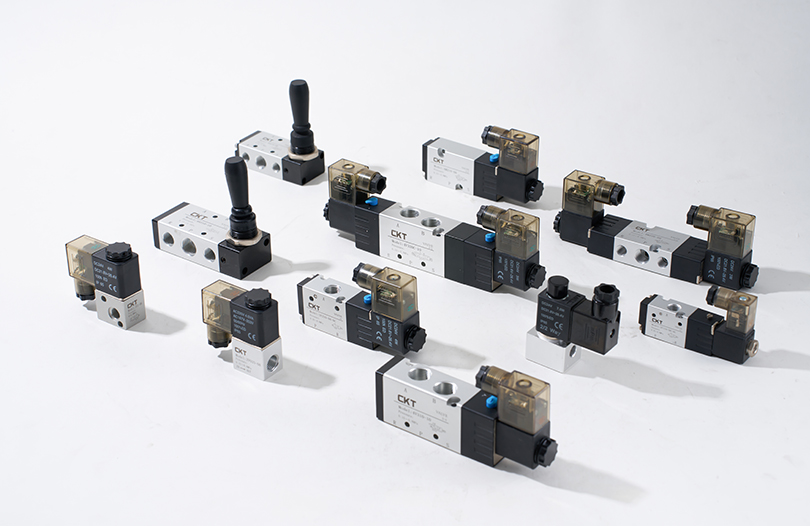
For directional control applications where the valve controls a double-acting cylinder, the fail position determines whether the cylinder extends, retracts, or remains in its current position. A 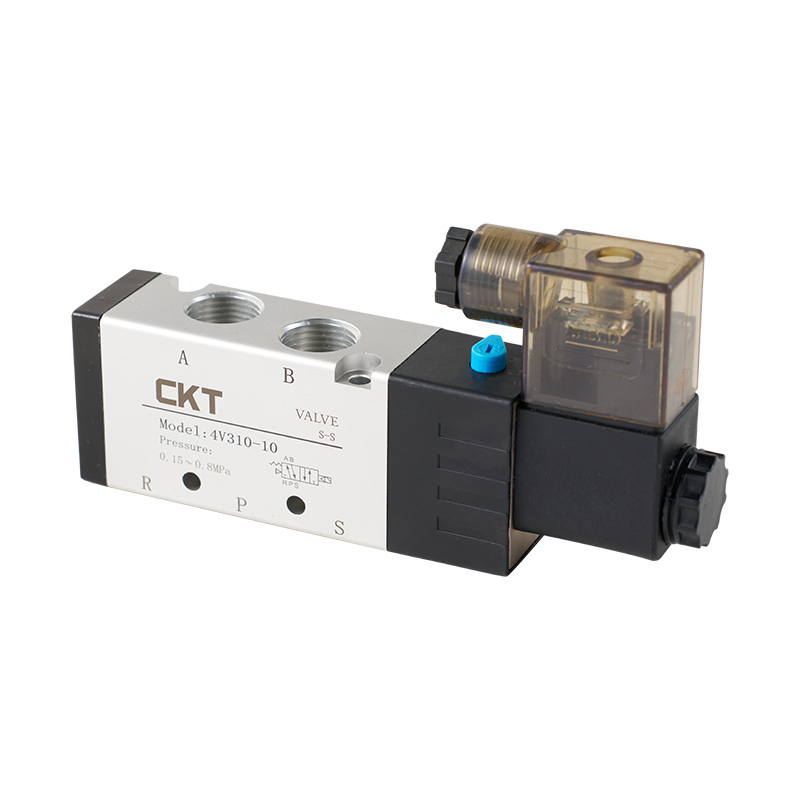 4V Series Pilot-Operated 5-Way Solenoid Valve for Cylinder Directional ControlThis 5-way pilot-operated solenoid valve features spring-return or dual-coil memory to set fail positions, enabling precise double-acting cylinder control. It supports center sealed, exhaust, or pressure configurations, with manual override for commissioning and emergency actuation.View Product → with a spring-return design can be configured to deliver either fail open or fail close behavior depending on the port arrangement.
If you are evaluating different process valve options, review the fail position specification alongside the valve bore size, response time, and material compatibility. Selecting a valve with the wrong fail position can turn a controlled shutdown into a more dangerous event.
Common Misconceptions About Fail Open and Fail Close
Misconception 1: Fail Open Is Always the Safer Choice
This is false. Fail open is safer only when keeping the flow moving prevents a more dangerous condition. For a fuel line, fail open would allow gas to leak after a power failure. Safety is context-dependent, not absolute.
Misconception 2: Double-Acting Valves Automatically Return to a Safe Position
A double-acting valve needs air pressure to move in both directions. If both power and air supply are lost, the valve may not move at all. In this situation, a fail open or fail close function is only achieved with a spring-return mechanism or an external safety device such as an air tank with a check valve.
Misconception 3: Fail Safe Means Fail Close
Fail safe is the state that minimizes harm in any given process. It can be either fail open or fail close depending on the application. For a cooling system, fail safe means keeping the coolant flowing, so fail open is safe. For a chemical reactor, fail safe may mean stopping the feed, so fail close is safe.
Misconception 4: Spring Force Is Only a Minor Consideration
Spring force is critical. If the spring is not strong enough to overcome the maximum pressure differential, the valve may not fully open or close. This can result in a partially restricted flow path, creating a hidden failure condition that is difficult to diagnose.
Misconception 5: The Fail Position Is Always Visible
Unless the valve has a visual position indicator, you may not know whether it actually reached its fail position. In critical applications, install a position sensor or mechanical feedback to confirm the valve state after a power failure.
Frequently Asked Questions
Q1: What does fail open mean in a pneumatic valve?
A fail open valve opens when the electrical power or control signal is lost. The spring-return mechanism forces the valve to the open position, allowing compressed air, gas, or fluid to continue flowing through the valve.
Q2: What does fail close mean in a pneumatic valve?
A fail close valve closes when the electrical power or control signal is lost. The spring-return mechanism forces the valve to the closed position, completely stopping the flow of the medium. This is the standard configuration for gas supply and chemical isolation applications.
Q3: Which is safer, fail open or fail close?
Neither is universally safer. Fail open is safer when flow must continue to prevent overheating, pressure buildup, or hazardous gas accumulation. Fail close is safer when flow must stop to prevent leaks, contamination, or moving machinery hazards. The correct choice depends on the application.
Q4: How do I tell if a pneumatic valve is fail open or fail close?
Check the valve's spring return position. If the spring holds the valve in the open position when the solenoid is de-energized, it is fail open. If the spring holds the valve in the closed position, it is fail close. Refer to the valve manufacturer's documentation for the fail state specification, or test the valve by removing power and observing its position.
Q5: What happens if both electrical power and air supply are lost?
A spring-return valve will still move to its fail position because the spring is purely mechanical. However, a double-acting valve without a spring may not move at all. In pneumatic systems, the air supply is sometimes backed by an accumulator or reserve tank to ensure the valve can complete its fail action even when the compressor stops.
Q6: Can a fail close valve be changed to fail open?
In some valve designs, Yes. By replacing the return spring and reversing the actuator orientation. But many industrial valves are designed with a fixed fail position and cannot be reversed. Always consult the manufacturer before attempting to modify a valve's fail state.
Q7: What is the difference between fail safe and fail open/close?
Fail safe describes the overall safety philosophy of the system - the state that minimizes harm. Fail open and fail close are specific valve positions. A fail safe system may use either fail open or fail close valves depending on what creates the safer condition in that process.
Q8: Do I need a special valve for fail open or fail close operation?
Most standard solenoid valves come with different spring return configurations. You can select a standard valve and specify the desired fail position. For more complex applications, you may need a valve with external pilot air or a safety interlock system to achieve the required fail behavior.
Practical Recommendations for System Design
After deciding between fail open and fail close, consider these practical steps to ensure the valve performs as expected in a real failure event.
- Specify the fail position explicitly in procurement documents. Do not leave it for the supplier to guess. Write "fail close" or "fail open" in the valve specification sheet and confirm it with the vendor.
- Test the fail position at commissioning. When the system is first installed, simulate a power loss and verify that the valve actually goes to its intended fail position.
- Consider the response time. For processes that need a very fast fail action, look at the valve's closing or opening time. Solenoid valves typically respond in 20 to 100 milliseconds, but pilot-operated valves may be slower.
- Verify spring force under worst-case pressure. In compressed air systems, the supply pressure can fluctuate. Ensure the valve's spring is strong enough to operate even at the maximum system pressure.
- Add position feedback for critical circuits. For fail open valve and fail close valve circuits where a misposition would create a serious hazard, install a position switch or pressure sensor to confirm the actual valve state.
- Review with your safety team. The fail position is a safety decision, not a purely mechanical one. Include process engineers, safety specialists, and maintenance staff in the selection process.
The fail position of a pneumatic valve is one of the most significant safety decisions in an automation system. Choose fail open when the medium must continue to flow. Choose fail close when the medium must be contained. Document your reasoning so that the next engineer understands the logic behind the selection.