

 中文简体
中文简体
 English


Content
- 1 Understanding the Pilot-Operated Advantage
- 2 The 5-Way Functional Circuit: Total Control
- 3 Technical Specifications at a Glance
- 4 Space-Saving Innovation: The Side Panel Mounting Interface
- 5 Comparison: Traditional vs. Side Panel Mounting
- 6 Simplified Maintenance and Downtime Reduction
- 7 Versatility Across Industrial Sectors
- 8 Conclusion: The Future of Pneumatic Integration
Introduction: A New Era of Pneumatic Efficiency
In the fast-paced world of industrial automation, the demand for precision, space-saving designs, and reduced maintenance downtime has never been higher. Engineers and system designers are constantly searching for components that not only perform reliably under pressure but also simplify the increasingly complex architecture of modern machinery.
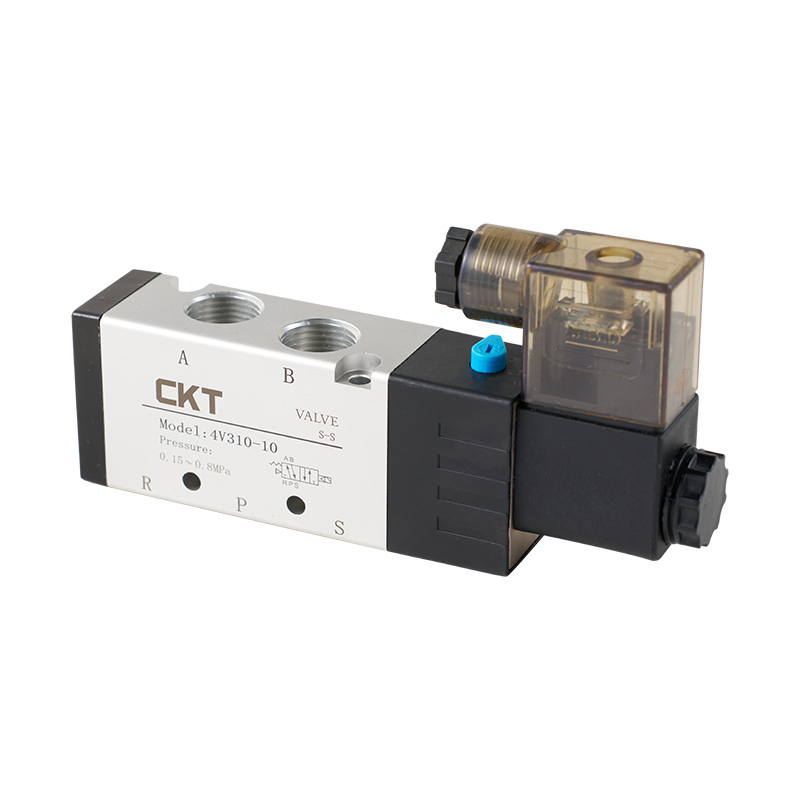
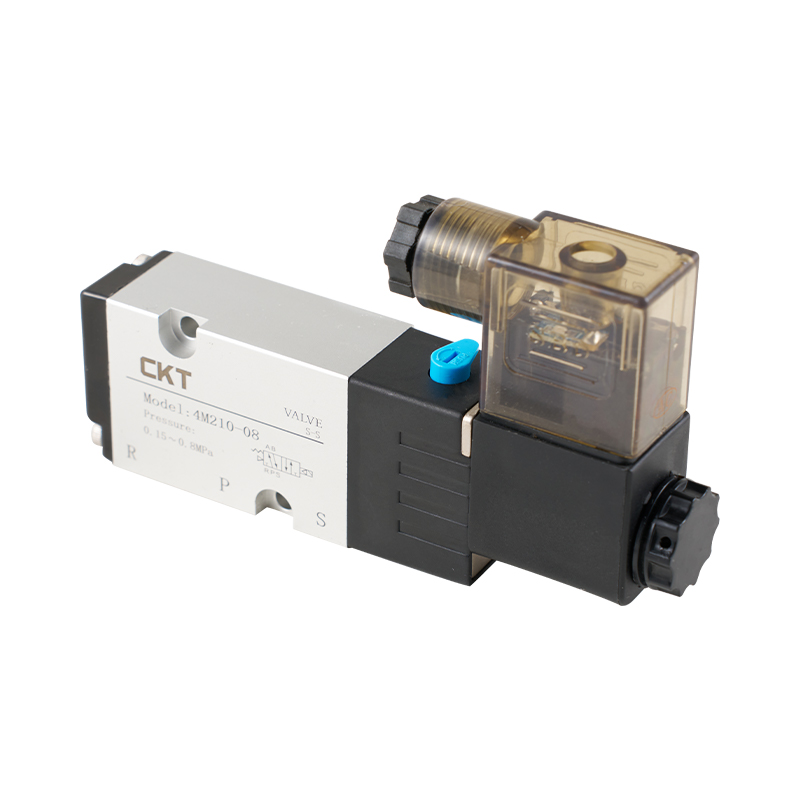
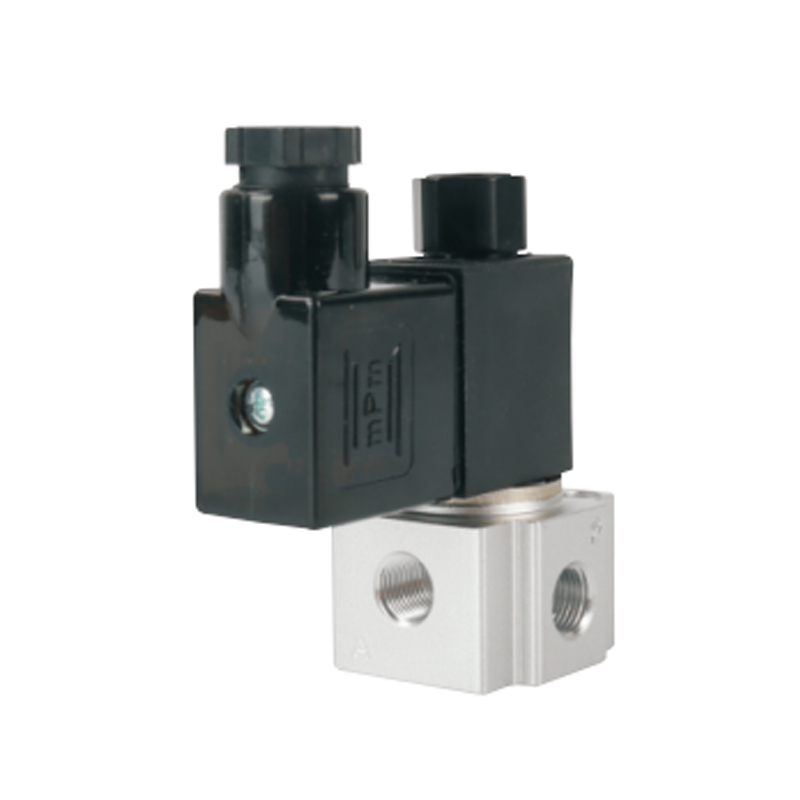
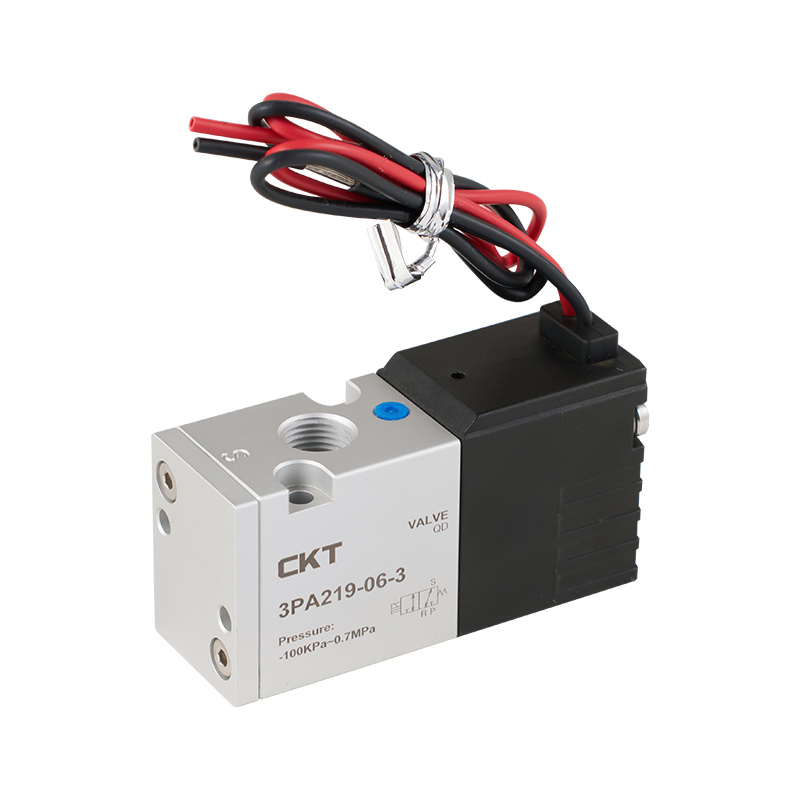
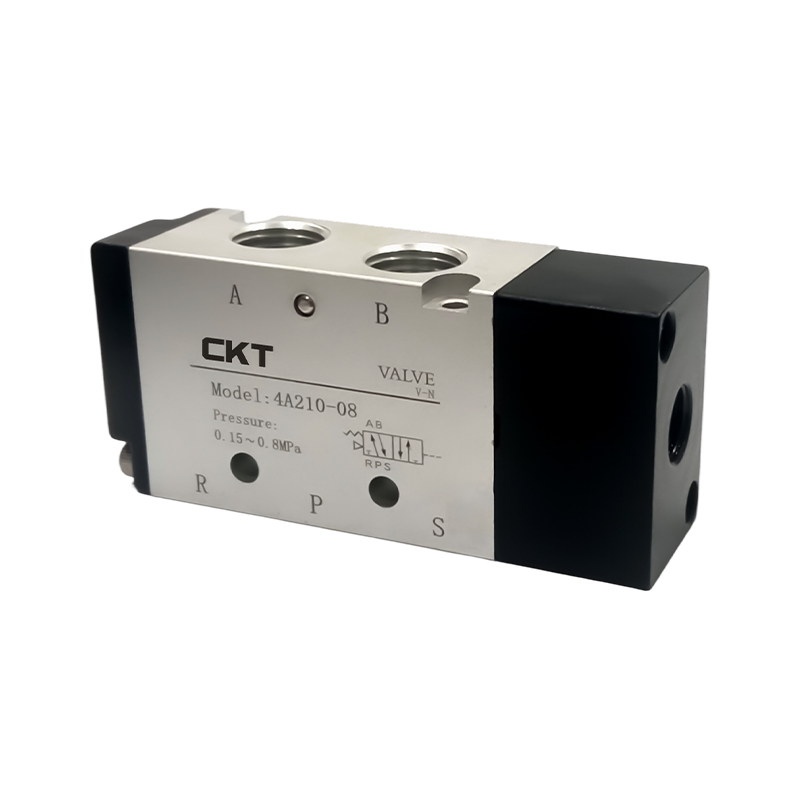
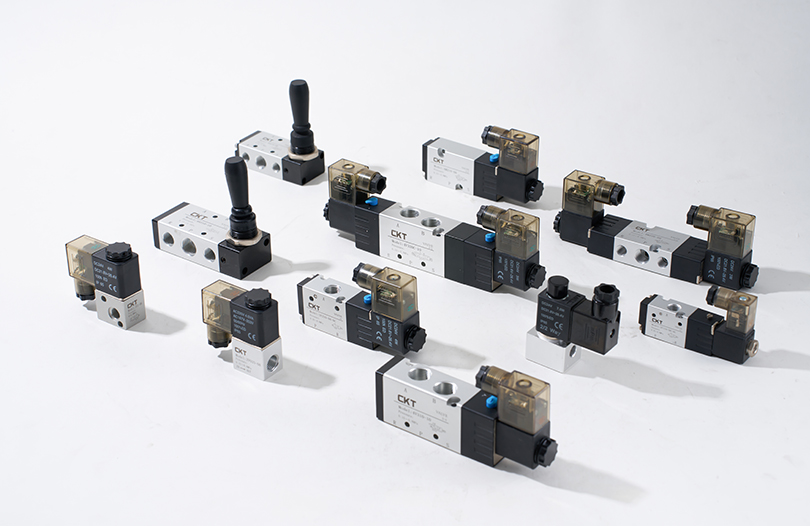
The latest breakthrough in fluid power control has arrived with the introduction of the Pilot Operated Side Panel 5 Way Solenoid Valve. This innovative component is set to redefine how double-acting actuators are managed in automation lines, offering a seamless blend of high-speed performance and a revolutionary "direct-mount" physical structure. By eliminating the traditional mess of hoses and fittings, this valve represents a significant leap forward in pneumatic system integration.
Understanding the Pilot-Operated Advantage
At the heart of this new valve is an advanced pilot-operated air path design. Unlike direct-acting valves, where the electromagnetic coil must provide all the force to move the internal spool, a pilot-operated system uses the pneumatic pressure of the compressed air itself to do the heavy lifting.
When the solenoid coil is energized, it opens a small pilot orifice. The resulting air pressure then shifts the main spool. This design offers two massive benefits for industrial users:
-
Reduced Power Consumption: Because the coil only needs to move a tiny pilot pin rather than a large, heavy spool, the electrical load is significantly lower.
-
Enhanced Reliability: The valve can operate effectively even under high-pressure conditions where a direct-acting valve might struggle to overcome friction or air resistance.
The 5-Way Functional Circuit: Total Control
The Pilot Operated Side Panel 5 Way Solenoid Valve utilizes a standard five-port configuration. This is the "gold standard" for controlling double-acting cylinders—the workhorses of the manufacturing world. With five dedicated passages (Inlet, two Outlets, and two Exhausts), the valve can precisely direct air to one side of a cylinder while simultaneously venting the other side. This ensures smooth, bidirectional movement, whether you are pushing a heavy crate on a conveyor or clamping a delicate component in an assembly jig.
Technical Specifications at a Glance
To help engineers quickly assess the compatibility of this valve with their existing systems, the following table outlines the core technical parameters:
| Feature | Specification |
| Valve Type | 5-Port, 2-Position (5/2 Way) |
| Actuation Method | Pilot Operated |
| Mounting Style | Side Panel / Direct Face Mounting |
| Applicable Actuators | Double-acting cylinders, pneumatic grippers |
| Fluid Medium | Compressed Air (Filtered to 40 microns) |
| Operating Pressure | 0.15 ~ 0.8 MPa (21 ~ 114 PSI) |
| Response Time | ≤ 0.05 seconds |
| Manual Override | Standard Push-button / Locking type |
Space-Saving Innovation: The Side Panel Mounting Interface
Perhaps the most striking feature of this valve is its "Side Panel" or "Side Face" mounting structure. In traditional setups, valves are mounted on a distant manifold or rail, requiring long stretches of pneumatic tubing to reach the cylinder.
This valve changes the game by featuring standardized mounting ports on its side face.
Why Direct Mounting Matters:
-
Zero Tubing: By eliminating the tubes between the valve and the cylinder, you remove the risk of "line loss" (pressure drops) and potential leak points.
-
Compact Footprint: Machines can be built smaller because there is no need for bulky cable trays or air line routing paths.
-
Increased Rigidity: The valve becomes a physical part of the actuator unit, making the entire assembly more resistant to vibration and mechanical wear.
Comparison: Traditional vs. Side Panel Mounting
| Feature | Traditional Remote Mounting | Side Panel Direct Mounting |
| Installation Time | High (Requires cutting/fitting tubes) | Low (Direct bolt-on) |
| Leak Risk | Higher (Multiple connection points) | Minimal (Integrated seal) |
| Response Speed | Slower (Air must travel through tubes) | Instantaneous (Direct air path) |
| Space Required | Significant | Ultra-compact |
| Maintenance | Complex troubleshooting | Simple unit replacement |
Simplified Maintenance and Downtime Reduction
In a high-volume production environment, every minute of downtime costs money. The Pilot Operated Side Panel 5 Way Solenoid Valve was engineered with the maintenance technician in mind.
Because the valve is mounted directly to the side panel of the equipment, replacing a faulty unit is a matter of loosening a few bolts. There is no need to re-label and re-route complex nests of air hoses. Furthermore, the integrated design reduces the number of external fittings—common culprits for slow leaks that are notoriously difficult to find.
Versatility Across Industrial Sectors
While the design is specialized, its application is universal. Any industry that relies on pneumatic movement can benefit from this high-efficiency valve.
-
Material Handling: In sorting and packaging, where speed and repetitive motion are key, the fast response of the pilot-operated system ensures high throughput.
-
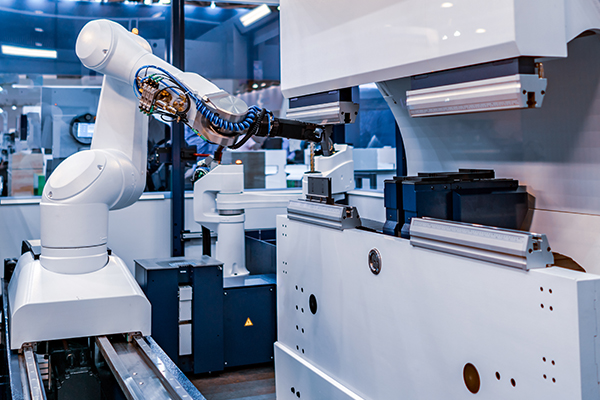
Automotive Assembly: The compact design is perfect for robotic arms and tight assembly fixtures where space is at a premium.
-
Process Control: In chemical or food processing, the stable and rigid mounting ensures the valve stays secure even in high-vibration environments.
-
Textile & Paper: The reliability of the 5-way circuit provides the precision needed for tension control and high-speed folding.
Conclusion: The Future of Pneumatic Integration
The launch of the Pilot Operated Side Panel 5 Way Solenoid Valve marks a shift toward more "intelligent" physical design in pneumatics. It isn't just about moving air; it's about how that movement is integrated into the machine's body. By combining the power of a pilot-operated system with the space-saving brilliance of side-panel mounting, this valve provides a foundation for the next generation of efficient, stable, and easy-to-maintain automation.
Whether you are building a new machine from scratch or looking to upgrade an existing production line, the move toward direct-mounted, 5-way control is a clear path to better performance.