

 中文简体
中文简体
 English

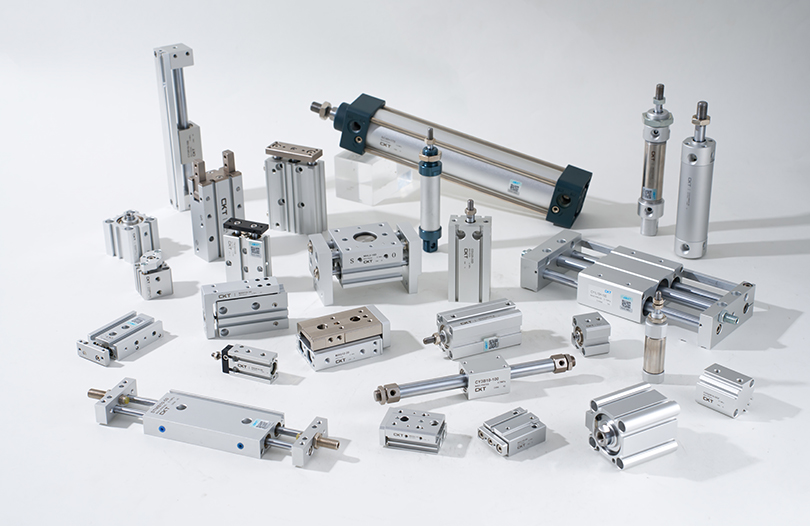
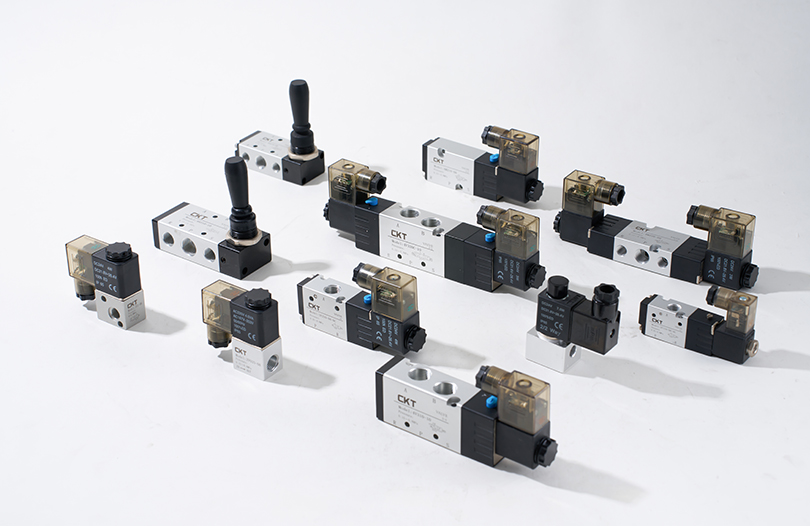
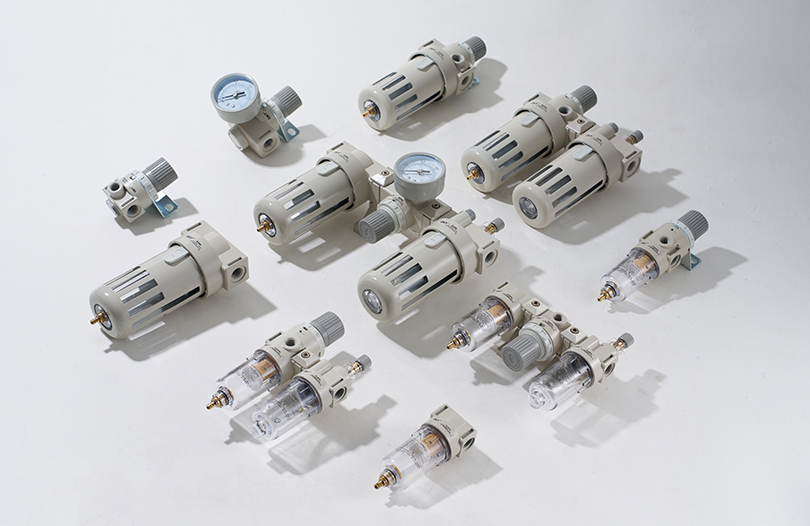
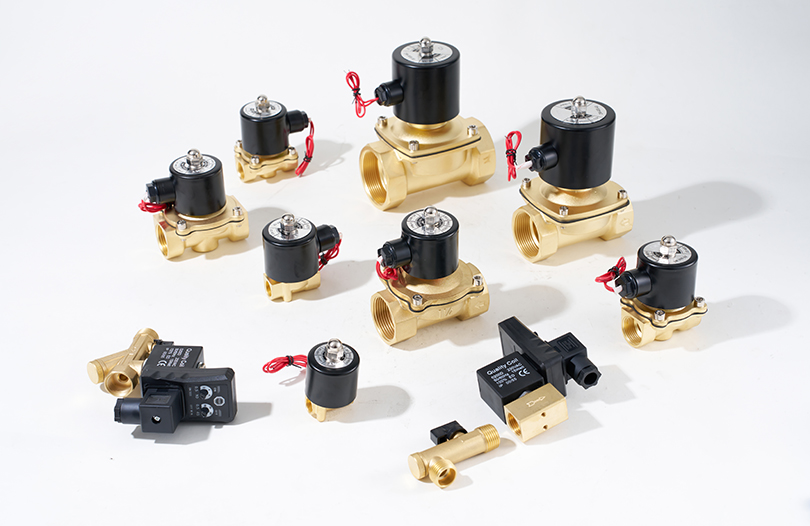
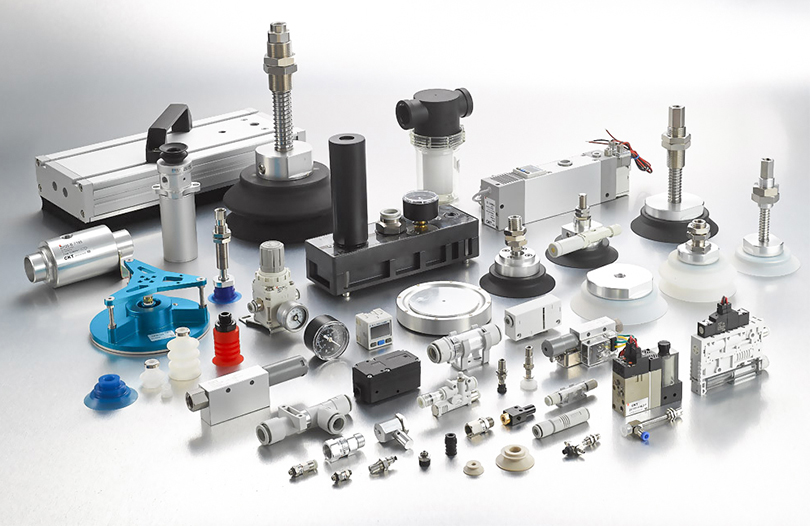
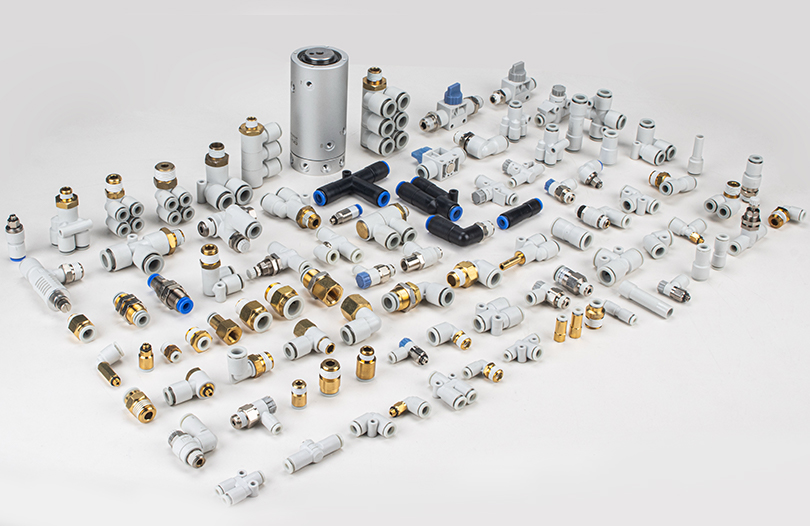
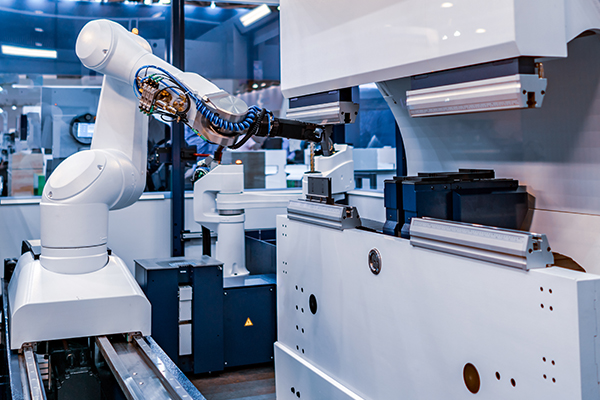

In industrial automation, packaging machinery, and production line equipment, pneumatic components are widely used due to their simple structure, fast response, and low cost. However, during long-term operation, pneumatic systems inevitably experience various malfunctions, affecting equipment stability and production efficiency. Understanding the common malfunctions of pneumatic components and their causes is key to improving equipment reliability and reducing downtime.
1. Common Types of Pneumatic Component Malfunctions
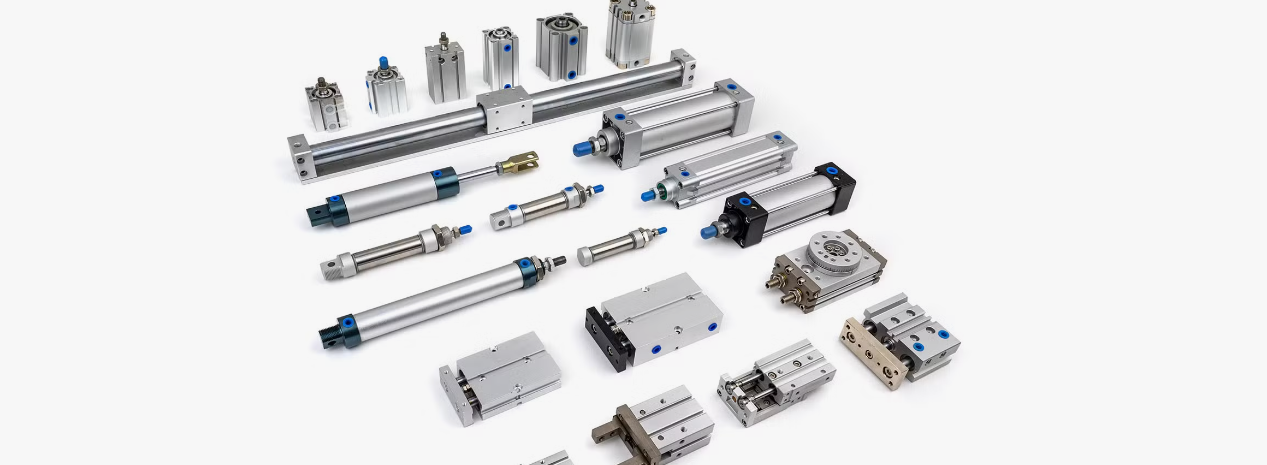
Pneumatic components mainly include cylinders, solenoid valves, air source treatment components (filters, pressure regulators, lubricators), and air pipes. Their common malfunctions can be broadly classified into the following categories.
(1) Abnormal Cylinder Operation
Symptoms:
Cylinder does not move or moves slowly
Stroke is incomplete or movement is unstable
Common Causes:
Insufficient or excessive fluctuation of air pressure
Worn or aged cylinder seals
Increased resistance due to dust or water ingress into the cylinder
Solutions:
Check if the air pressure is stable
Replace aged seals
Strengthen air source filtration and daily cleaning
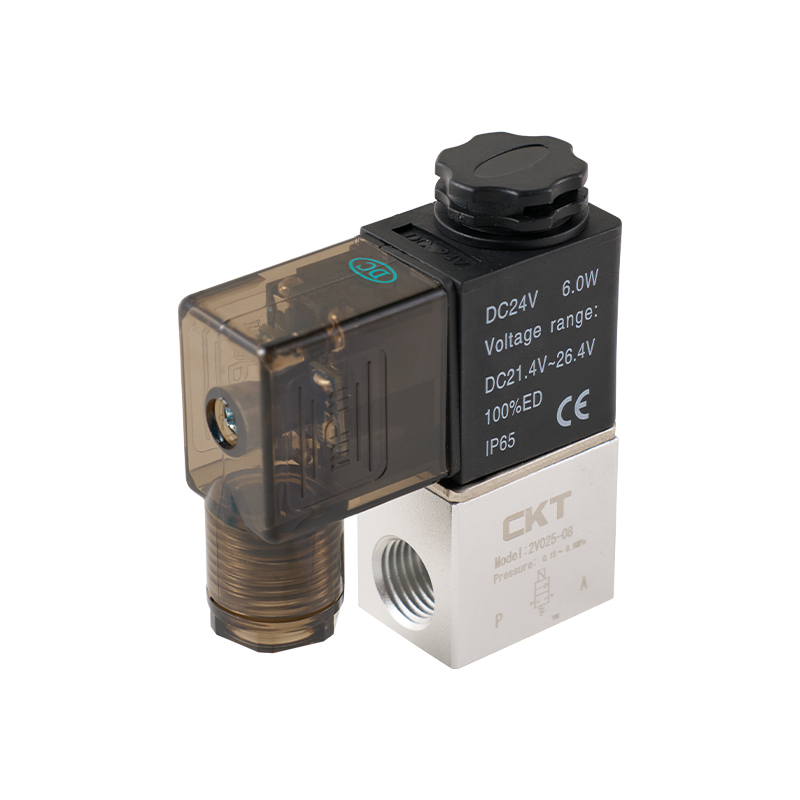
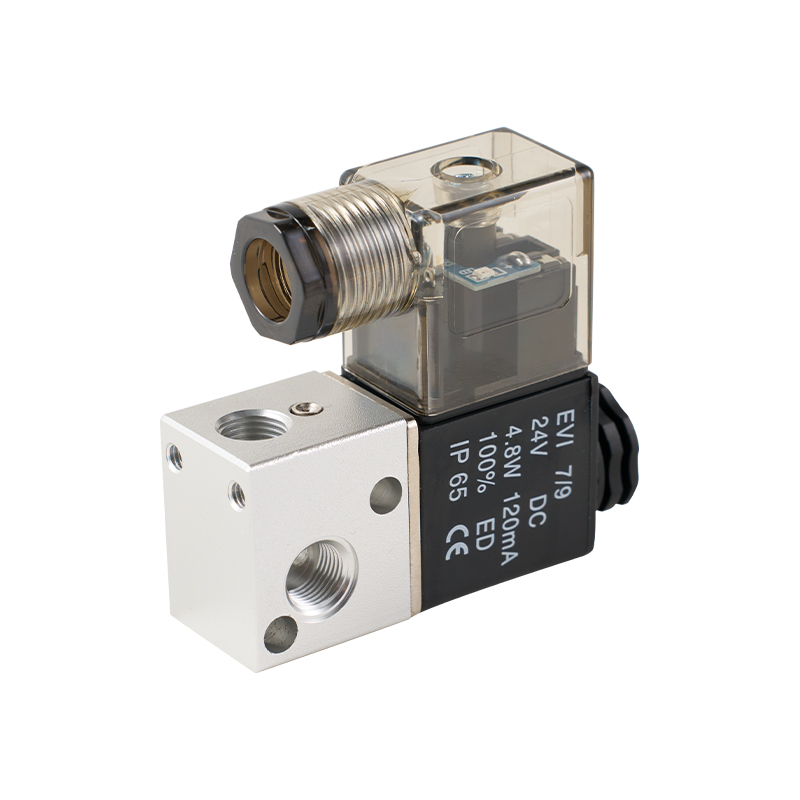
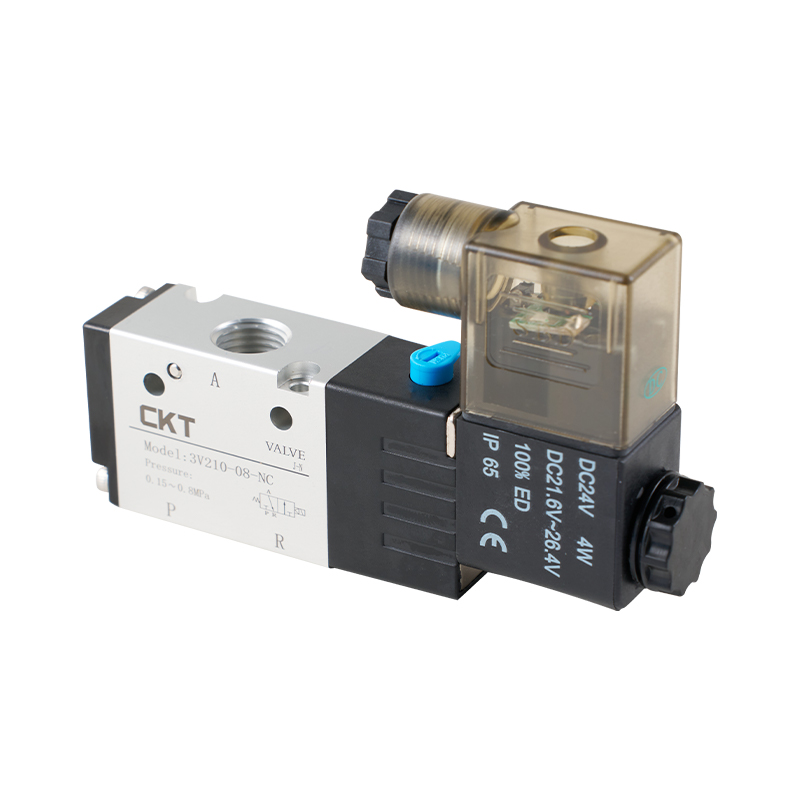
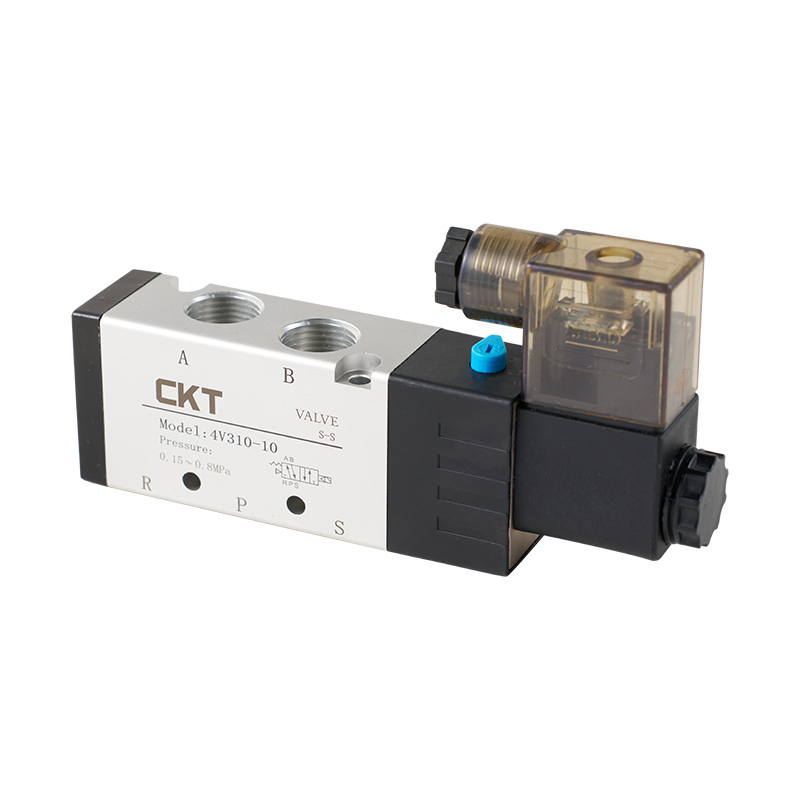
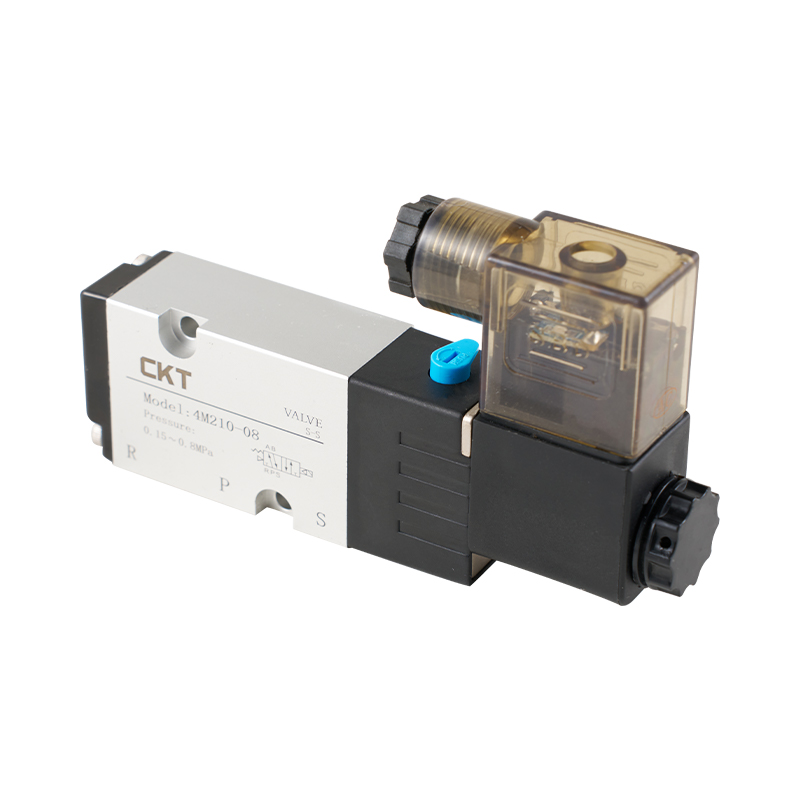
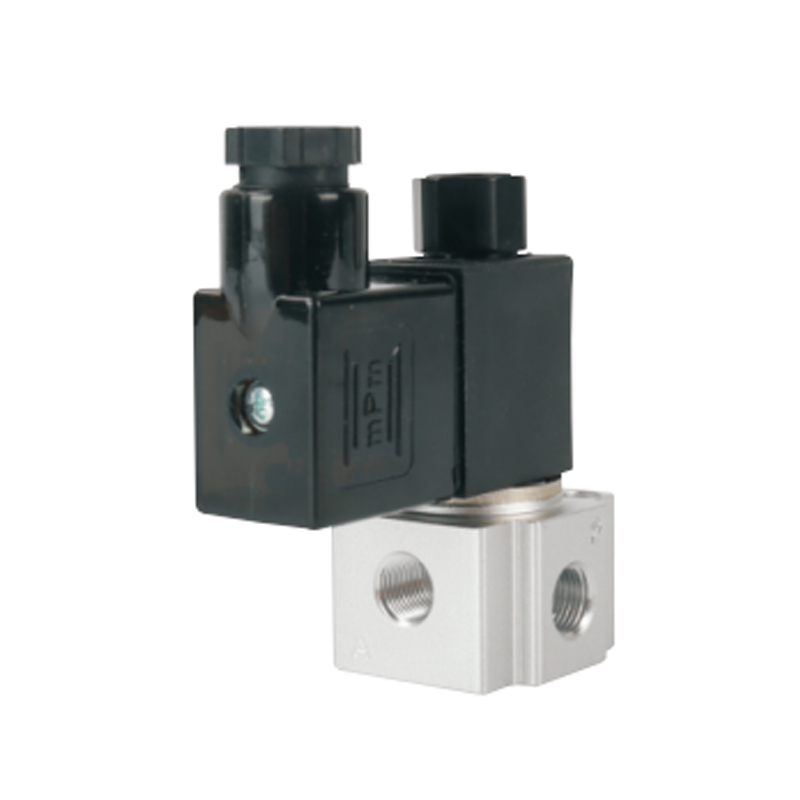
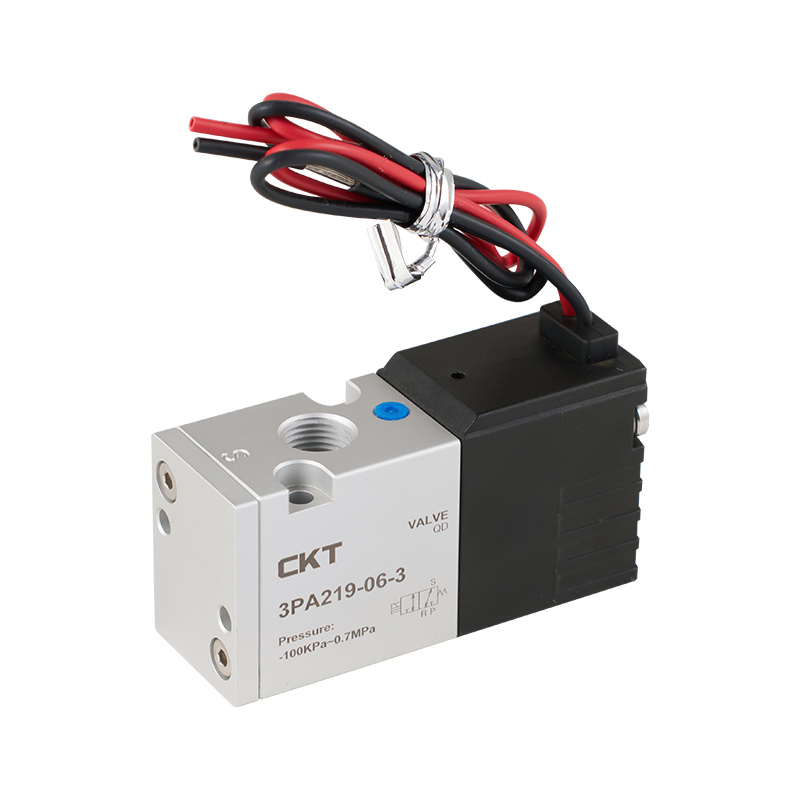
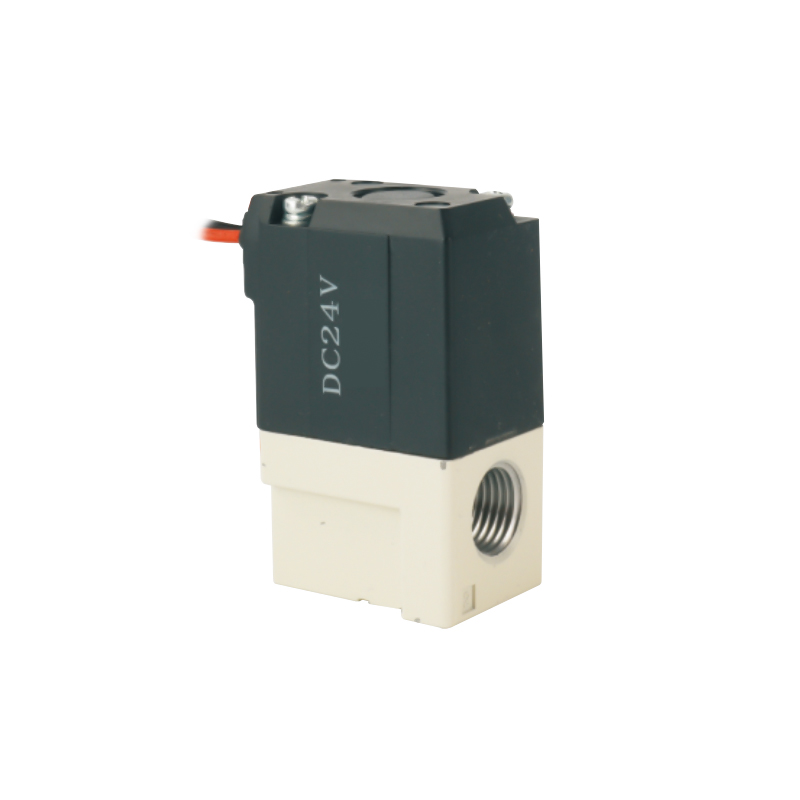
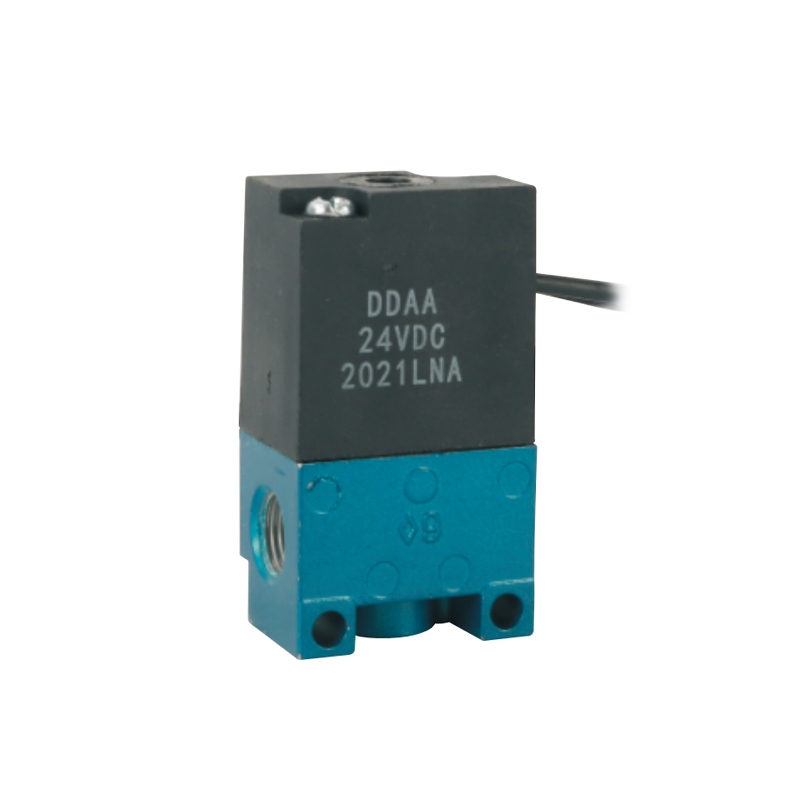
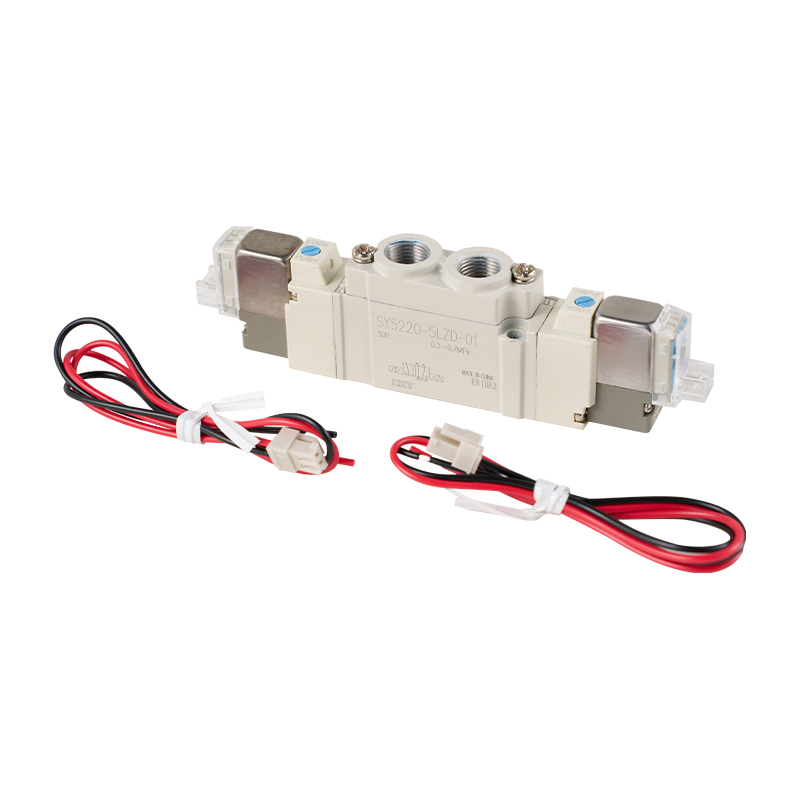
(2) Solenoid Valve Malfunction
Symptoms:
Valve does not respond after power is applied
Valve core is stuck, switching is not sensitive
Common Causes:
Coil burnout or unstable voltage
Impurities in the air source causing the valve core to seize
Internal wear due to long-term operation
Solutions:
Check power supply and voltage matching
Clean or replace the solenoid valve
Install a filter to improve air source quality
(3) Air Source Treatment Component Failure
Symptoms:
Unstable system pressure
High moisture content in the air source
Common Causes:
Filter blockage
Pressure regulating valve malfunction
Failure to drain in time leading to moisture entering the system
Solutions:
Regularly clean or replace filter elements
Calibrate or replace the pressure regulating valve
Drain regularly to keep the air source dry
2. Air Leakage in the Pneumatic System
Symptoms:
System pressure drops
Air pump starts frequently
Energy consumption increases significantly
Common Causes:
Aged or damaged air pipes
Loose connectors or damaged seals
Improper installation leading to loose connections
Solutions:
Check and replace aged air pipes
Tighten connectors and replace seals
Standardize installation procedures to avoid repeated disassembly and assembly
3. Slow Response of Pneumatic Components
Symptoms:
Delayed action
Unstable cycle time
Common Causes:
Excessively long or small diameter pipelines
Inappropriate selection of pneumatic components
Accumulation of impurities in the system
Solutions:
Optimize pipeline layout
Select appropriate specifications of pneumatic components
Regular maintenance and cleaning of the system
4. Shortened Lifespan of Pneumatic Components
Symptoms:
Frequent component replacement
Increased maintenance costs
Common Causes:
Long-term overpressure or overload operation
Poor air source quality
Lack of regular maintenance
Solutions:
Operate according to rated parameters
Improve air source filtration and drying
Establish a regular maintenance system
5. How to effectively reduce pneumatic component failures?
Improve air source quality
A dry, clean, and stable air source is the foundation for the long-term reliable operation of pneumatic components.
Proper Selection
Select appropriate pneumatic components based on load, speed, and working environment, avoiding undersizing the components for the application.
Standardized Installation
Avoid excessive bending of air pipes and ensure proper sealing.
Regular Inspection and Maintenance
Establish a regular inspection system to identify potential problems in advance.
Common failures in pneumatic components mainly occur in cylinders, solenoid valves, air treatment units, and piping systems. The root causes are often related to air supply quality, improper selection, and insufficient maintenance. Through scientific selection, standardized installation, and regular maintenance, the failure rate can be significantly reduced, improving the stability and service life of the pneumatic system and providing reliable support for industrial production.