

 中文简体
中文简体
 English

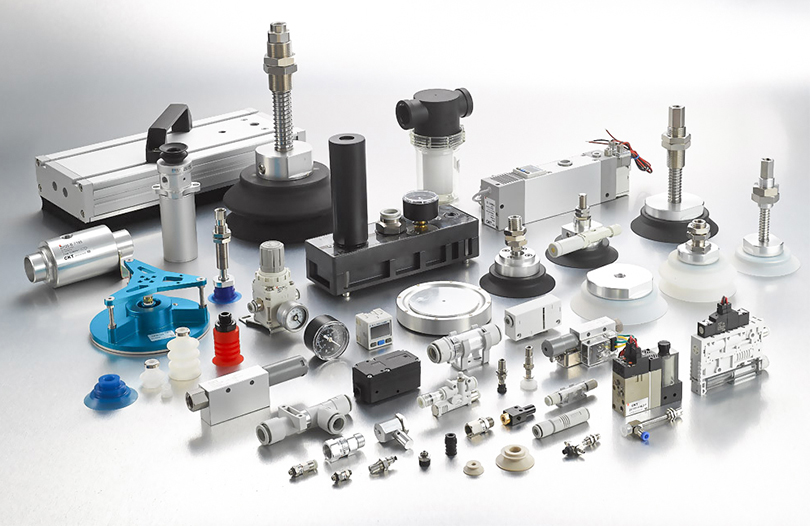
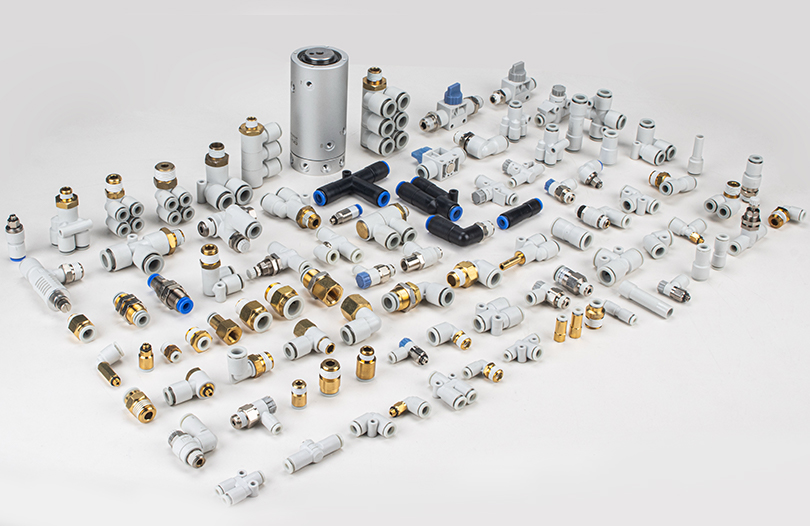
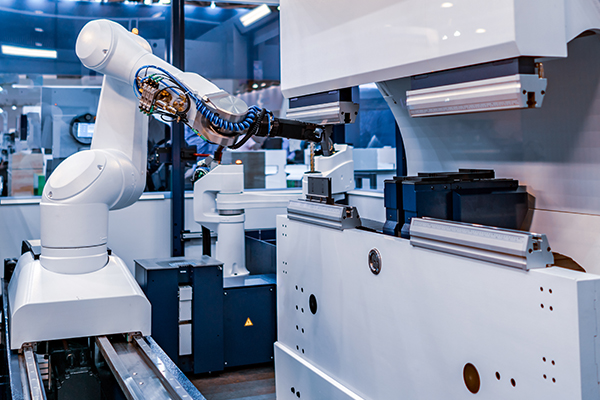

Content
- 1 What Pressure Ranges Are Compatible with Industrial Automation Requirements?
- 2 How to Match Pressure Parameters to Handling Load and Workpiece Characteristics?
- 3 How Do Pressure-Related Performance Metrics Impact Automation Efficiency?
- 4 What Industrial Automation Scenarios Demand Specific Pressure Configurations?
- 5 What Safety and Compliance Standards Guide Pressure Selection?
What Pressure Ranges Are Compatible with Industrial Automation Requirements?
Industrial automation applications demand pneumatic vacuum generators with pressure parameters tailored to handling tasks, load capacities, and equipment configurations. The core pressure vacuum level typically ranges from -60 kPa to -95 kPa (gauge pressure), with three primary categories: low vacuum (-60 to -75 kPa) for lightweight, non-porous workpieces (e.g., plastic parts, electronic components); medium vacuum (-76 to -85 kPa) for general-purpose handling (e.g., metal sheets, packaging materials); and high vacuum (-86 to -95 kPa) for heavy loads, porous materials, or high-speed operations (e.g., automotive body panels, cardboard stacks). Supply pressure (compressed air input) is equally critical—most industrial generators operate on 0.4-0.8 MPa (4-8 bar) supply pressure, with optimal performance achieved at 0.5-0.6 MPa, balancing vacuum generation efficiency and energy consumption. These pressure ranges align with standard industrial compressed air systems, ensuring seamless integration into automation lines.
How to Match Pressure Parameters to Handling Load and Workpiece Characteristics?
Selecting the right pressure requires precise alignment with workpiece weight, material porosity, and gripping surface area. The basic formula for vacuum force (F) is F = P × A × K, where P is the vacuum pressure (kPa), A is the suction cup area (m²), and K is the safety factor (1.5-3.0 for industrial applications). For example, lifting a 50 kg metal plate with a 0.01 m² suction cup requires a minimum vacuum pressure of (50×9.8)/(0.01×1.5) ≈ 32.7 kPa (gauge pressure), so a medium or high vacuum generator (-76 to -95 kPa) is suitable. Porous materials (e.g., wood, foam) require higher vacuum levels (-86 to -95 kPa) to compensate for air leakage, while non-porous, lightweight items (e.g., circuit boards) can use low vacuum (-60 to -75 kPa) to avoid workpiece damage. Additionally, high-speed automation (cycle time ≤2 seconds) benefits from generators with fast pressure buildup (reaching target vacuum in ≤0.3 seconds), which often correlates with medium to high supply pressure (0.6-0.8 MPa).
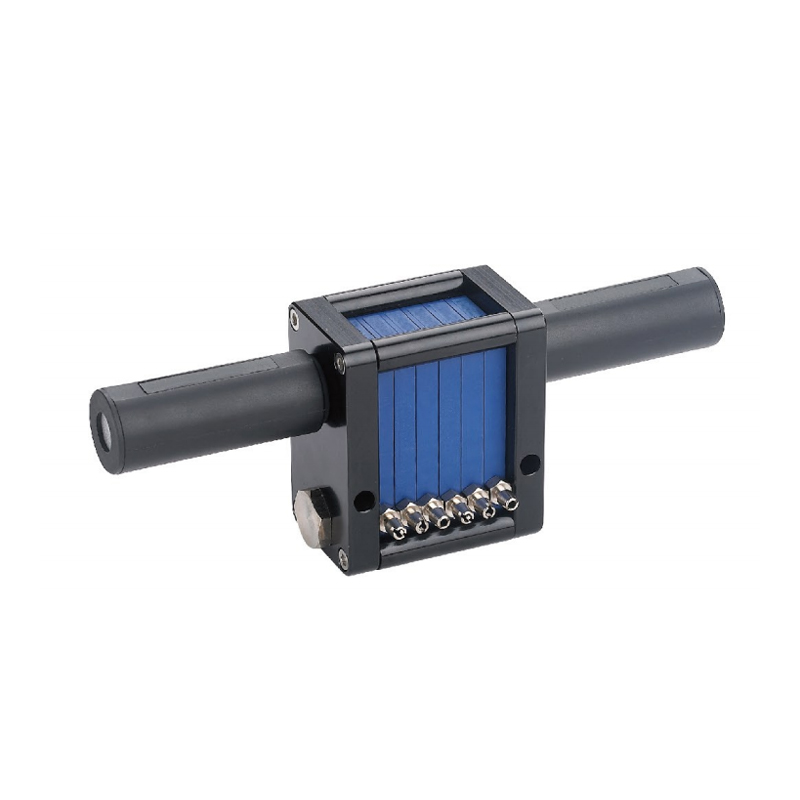
How Do Pressure-Related Performance Metrics Impact Automation Efficiency?
The pressure characteristics of pneumatic vacuum generators directly influence automation line throughput, energy efficiency, and reliability. Vacuum flow rate (air consumption) increases with supply pressure—generators operating at 0.6 MPa typically consume 10-30 L/min (ANR) per unit, while higher supply pressure (0.8 MPa) may increase consumption by 20-30% but reduces pressure buildup time. Energy efficiency is optimized by matching supply pressure to required vacuum: over-sizing supply pressure (e.g., using 0.8 MPa for low-vacuum tasks) wastes compressed air, increasing operational costs. Pressure stability (fluctuation ≤±2 kPa) ensures consistent gripping force, preventing workpiece slippage in precision automation (e.g., robotic assembly). Additionally, pressure recovery time (≤0.5 seconds after release) enables fast cycle times, critical for high-volume production lines (e.g., packaging, sorting). These metrics collectively determine how well the generator integrates into automated processes, balancing speed, cost, and reliability.
What Industrial Automation Scenarios Demand Specific Pressure Configurations?
Different automation applications require tailored pressure setups to meet task-specific needs. In robotic pick-and-place systems for electronics manufacturing, low-vacuum generators (-60 to -75 kPa) with low supply pressure (0.4-0.5 MPa) gently handle fragile components without causing damage. Conveyor-based sorting systems for heavy packages (20-50 kg) use medium-vacuum generators (-76 to -85 kPa) with 0.5-0.6 MPa supply pressure, ensuring stable gripping during high-speed movement. Automotive assembly lines (e.g., lifting doors, fenders) rely on high-vacuum generators (-86 to -95 kPa) and 0.6-0.8 MPa supply pressure to handle heavy, porous, or irregularly shaped workpieces. Packaging automation (e.g., vacuum sealing, carton forming) uses medium to high vacuum depending on material—porous cardboard requires high vacuum, while plastic films use medium vacuum. For cleanroom automation (e.g., semiconductor manufacturing), low-noise, low-pressure generators (-65 to -75 kPa) with filtered air intake prevent contamination while maintaining precision.
What Safety and Compliance Standards Guide Pressure Selection?
Pneumatic vacuum generators for industrial automation must meet safety and performance standards related to pressure operation. Compliance with ISO 6431 (Pneumatic Fluid Power—Vacuum Generators) defines pressure measurement methods, safety margins, and performance criteria, including maximum allowable pressure fluctuations. OSHA and EU machinery safety standards (EN ISO 12100) require pressure relief valves to prevent over-vacuum (below -95 kPa), which can damage workpieces or suction cups. Pressure monitoring systems (e.g., vacuum switches with ±1 kPa accuracy) are mandatory to detect pressure drops, triggering emergency stops if gripping force is insufficient. Additionally, energy efficiency standards (e.g., ISO 14981) encourage optimizing supply pressure to reduce air consumption, aligning with sustainability goals in industrial automation. Regular pressure calibration (quarterly or after 1,000 operating hours) ensures compliance with performance specifications, preventing safety hazards and production downtime.