

 中文简体
中文简体
 English

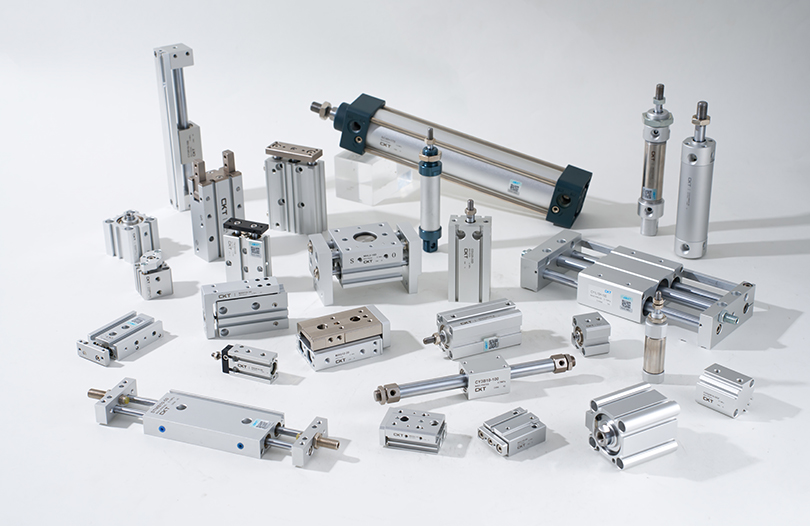
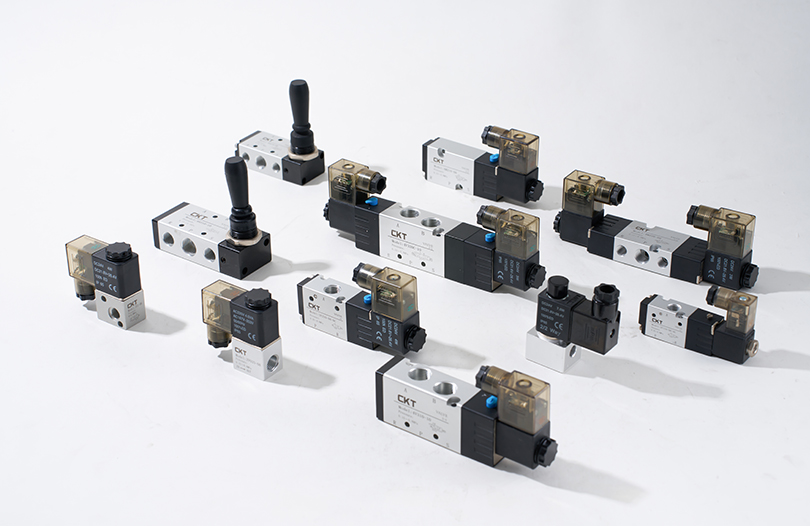
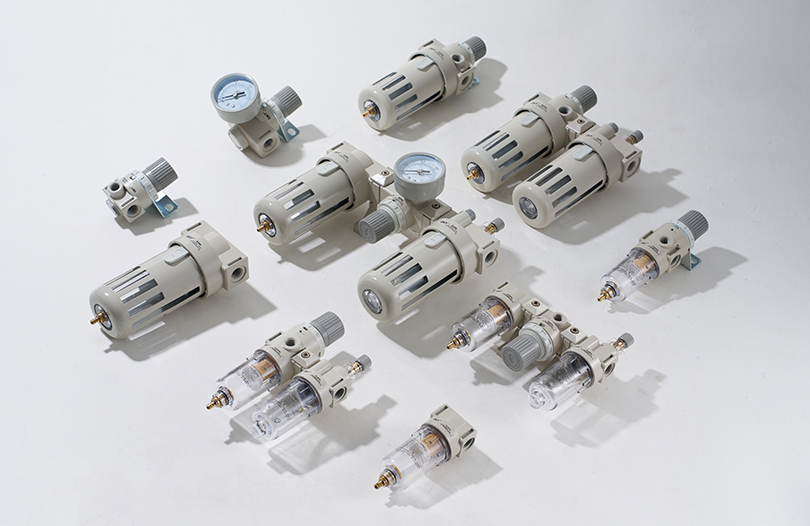
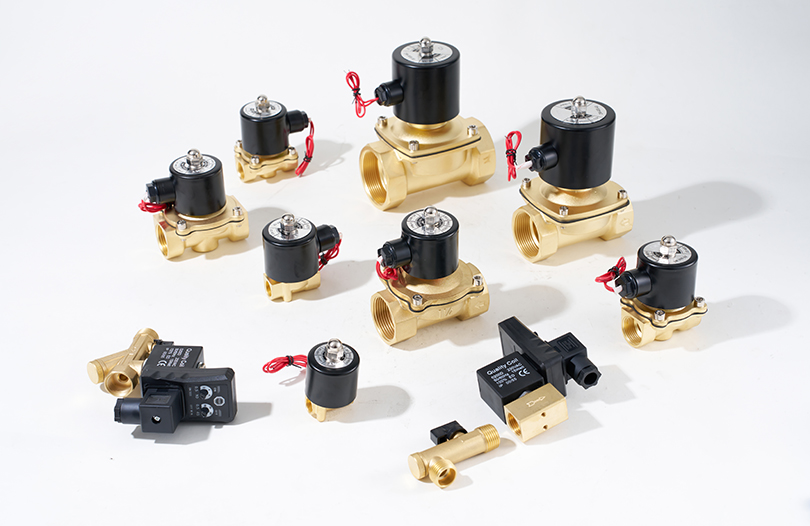
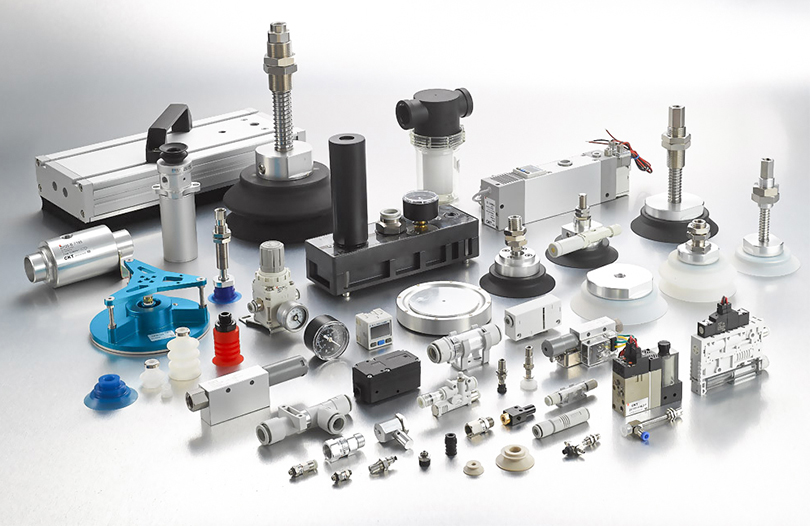
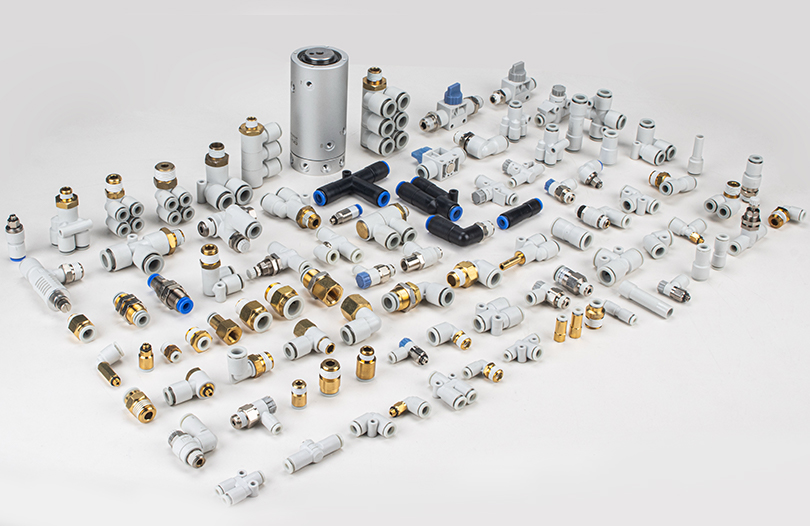

Pneumatic components play a crucial role in automated production, including cylinders, pneumatic valves, air source processors, air hoses, and connectors. Failures often lead to equipment downtime and reduced production efficiency. Therefore, mastering methods for quickly troubleshooting pneumatic faults is essential for factory maintenance personnel and equipment engineers. This article will explain in detail how to efficiently locate pneumatic component faults from six aspects.
1. Start by checking the air source: Is the pressure normal?
Abnormal air source conditions are one of the main causes of pneumatic system failures. Therefore, the first step is to check:
Is the air compressor operating normally? Confirm that there is sufficient air output.
Is the air tank pressure up to standard? Low pressure can cause the system to be weak or malfunction.
The condition of the air source triplet: Is the filter clogged? Is there water accumulation in the drain? Has the pressure reducing valve been incorrectly adjusted?
Is the lubricator insufficiently lubricated? Insufficient lubrication can cause cylinder and valve wear or jamming.
If insufficient gas pressure is found, adjustments or cleaning should be started from the gas supply end.
2. Check Air Tubing and Connectors: Are there any leaks?
Air leaks can cause unstable system pressure, sluggish operation, or even complete shutdown.
Troubleshooting Methods:
Spray soapy water and observe if it foams – the simplest method.
Use your ears and hands to check the airflow – listen for any hissing sounds.
Observe whether the air tubing is aging, hardened, or damaged.
Check if the quick-connect fittings are loose or if the seals are worn.
Solutions typically include replacing the air tubing, tightening the connectors, re-inserting the quick-connect fittings, or replacing the seals.
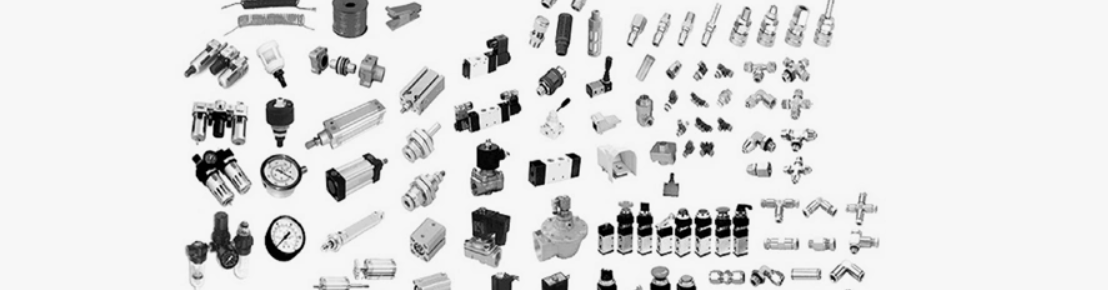
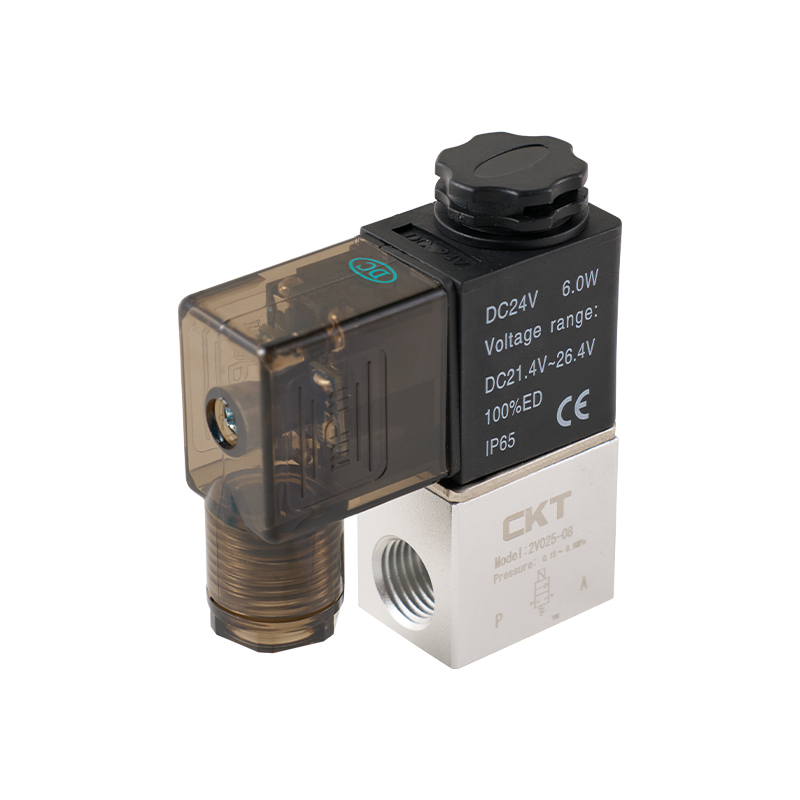
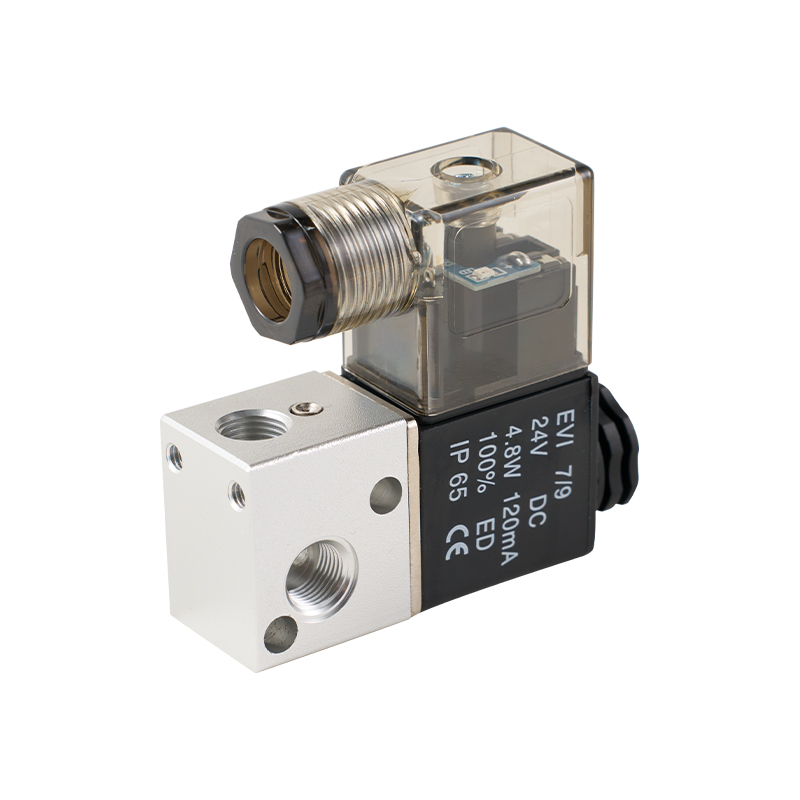
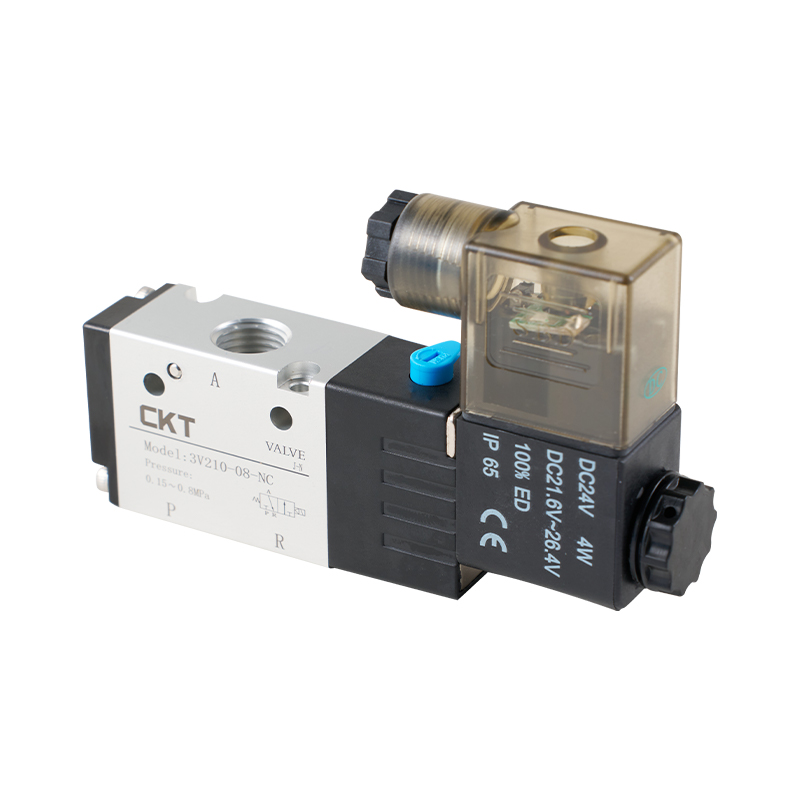
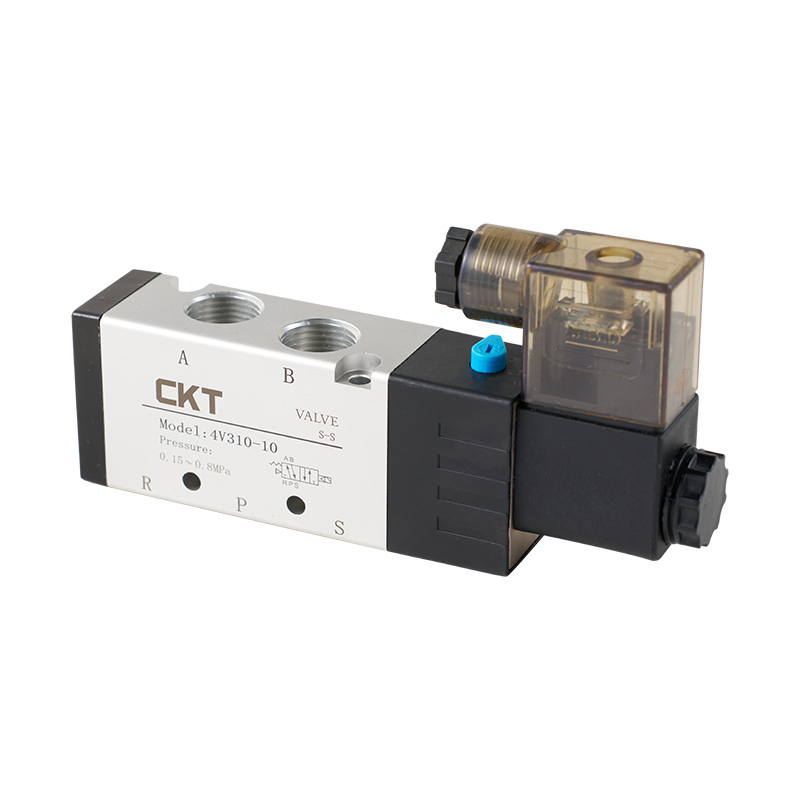
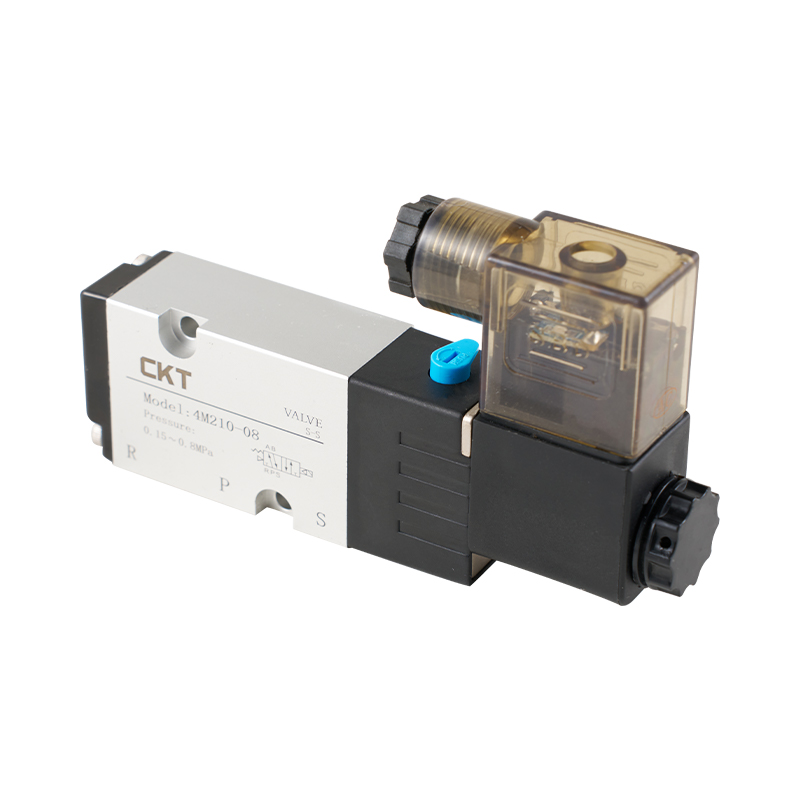
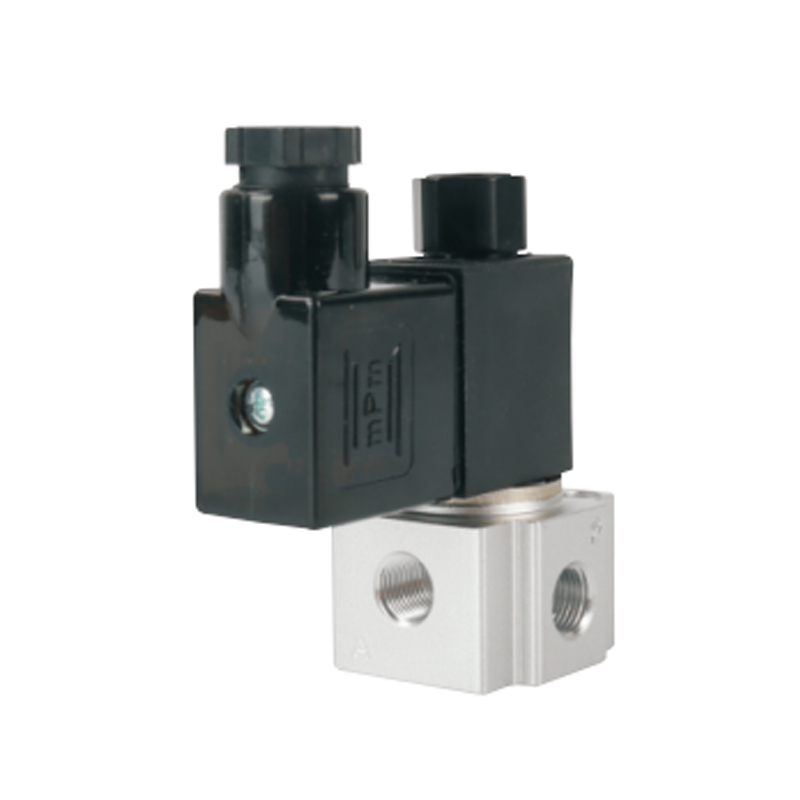
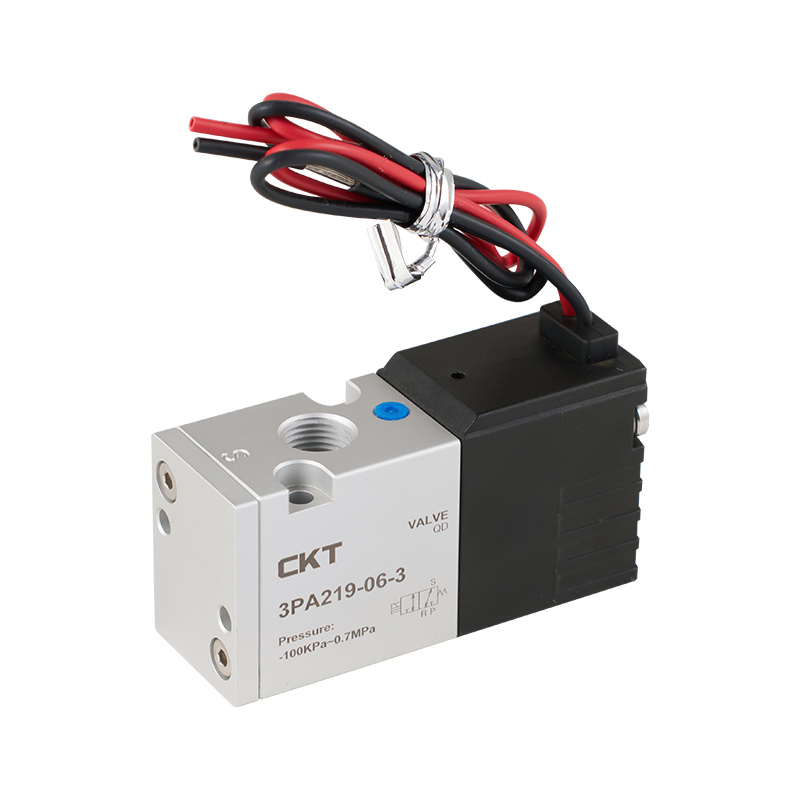
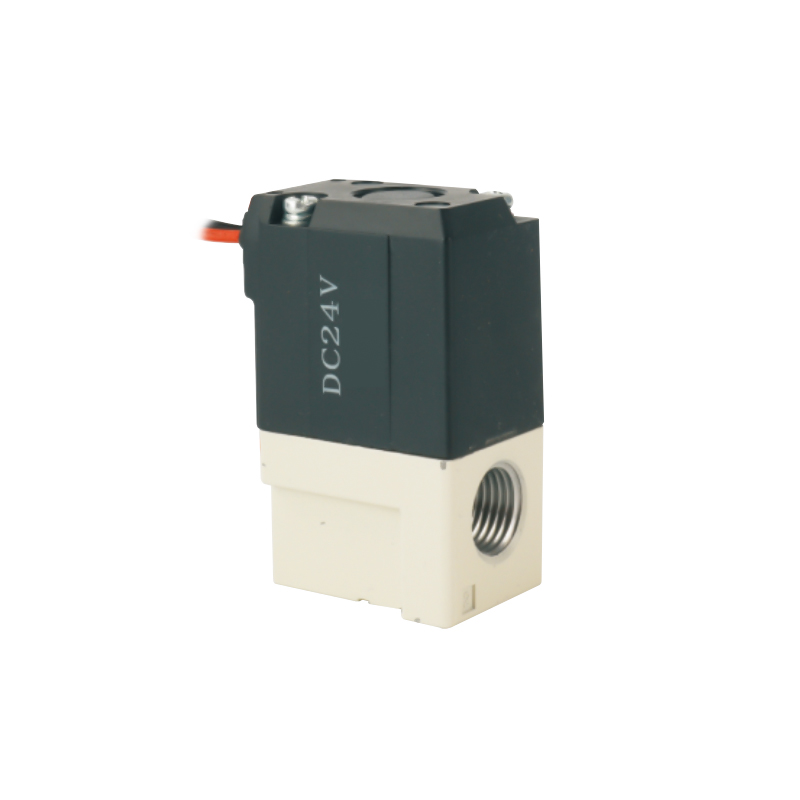
3. Check the Operation of Pneumatic Valves: Are they stuck or blocked?
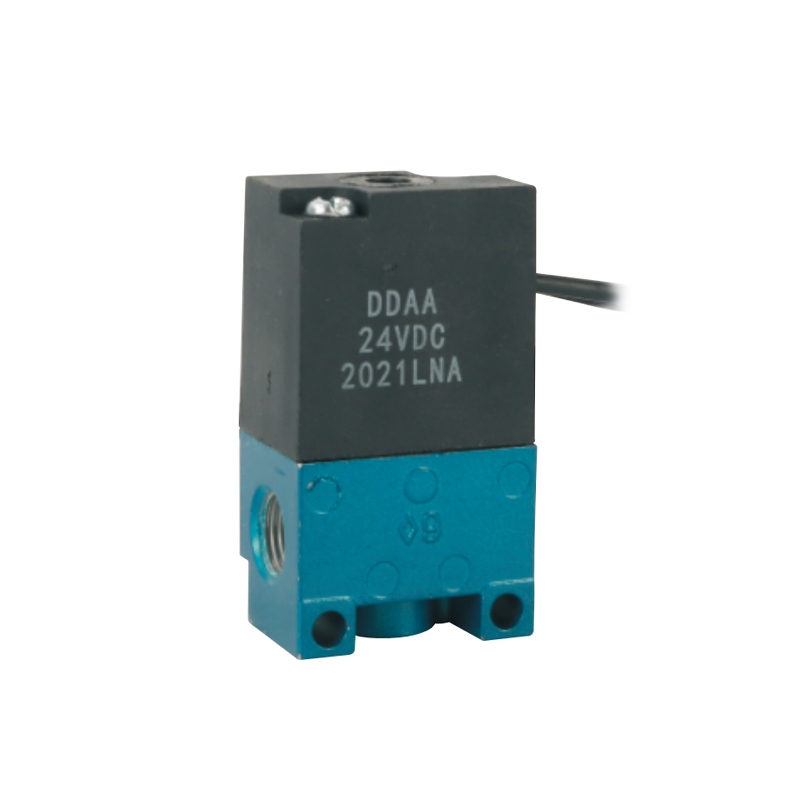
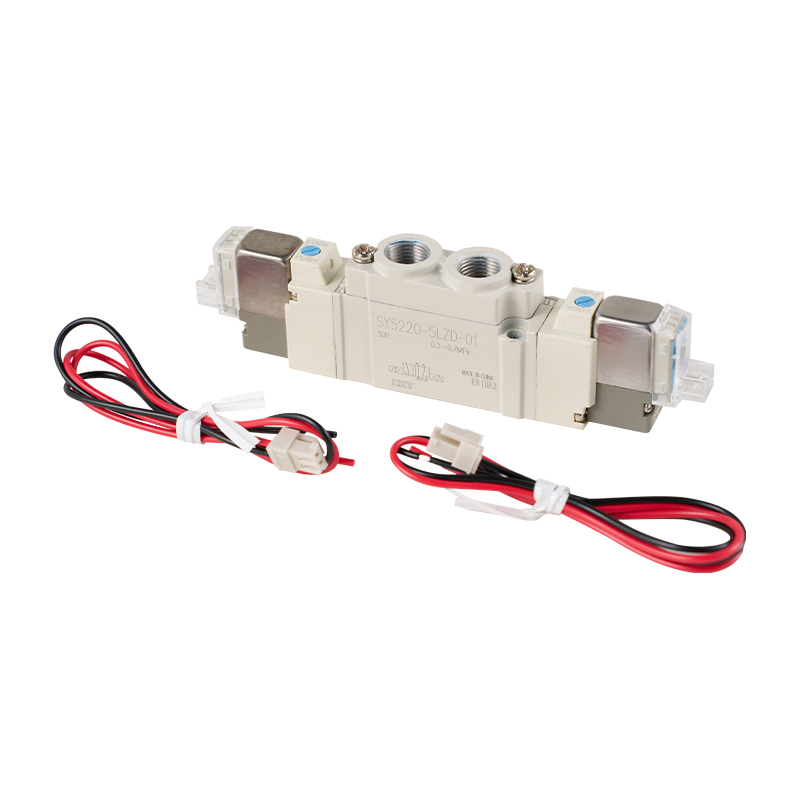
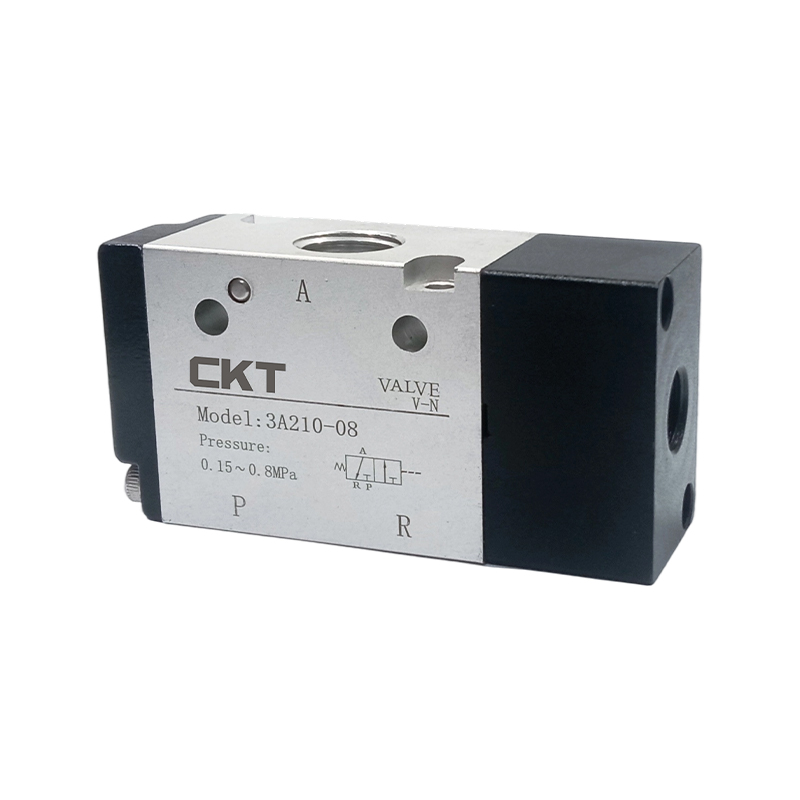
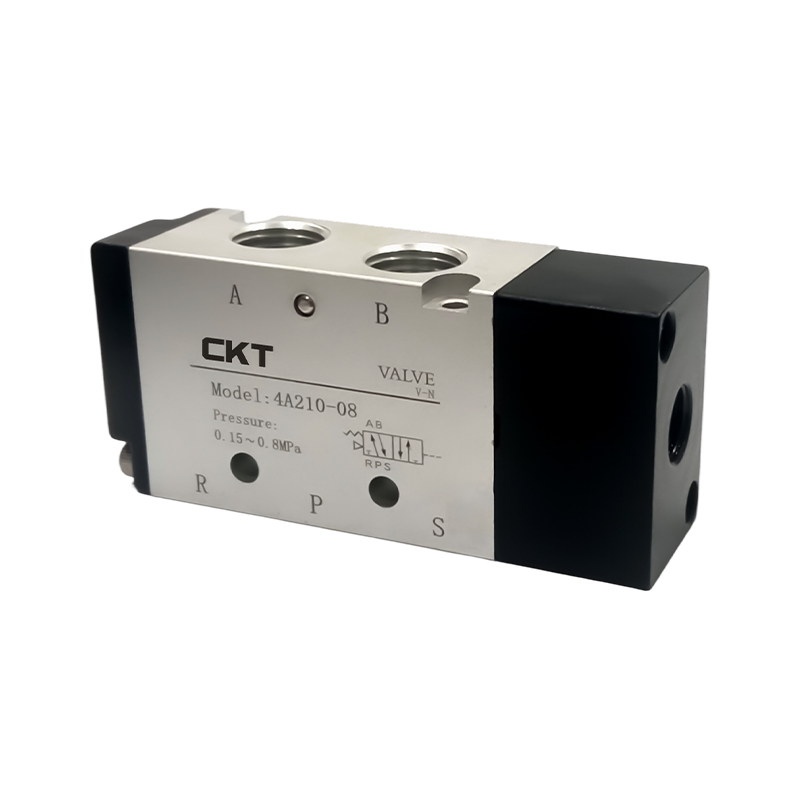
After prolonged operation, pneumatic valves may experience valve core sticking, blockage by impurities, or coil damage.
Quick Troubleshooting Steps:
Check if the manual button on the valve body operates smoothly.
Check if the solenoid coil is energized and if the indicator light is on.
Disassemble the valve body and check for impurities such as sludge and dust inside.
4. Check cylinder condition: Is it stuck or has insufficient thrust?
Cylinders are the most common actuators in pneumatic systems, and their fault characteristics are obvious:
Push the piston rod to determine if the movement is smooth.
Listen for air leaks to determine if the seals are worn.
Check if the cylinder is lacking lubrication or feels dry.
Confirm if the damping device is overtightened, causing slow operation.
If the cylinder thrust is insufficient, check the pressure settings or replace the sealing components.
5. Check system pressure and throttling settings: Are they improperly adjusted?
Pressure, flow, and throttling values directly affect system speed and power:
Low pressure from the pressure reducing valve – insufficient thrust.
Throttle valve opening too small – slow cylinder movement.
Restricted exhaust – sluggish response.
Inappropriate speed control valve settings – affect equipment cycle time.
Readjusting pressure and throttling values usually restores normal operation quickly.
6. Check the control system: Are the signals abnormal?
In systems combining electrical and pneumatic control, abnormal control signals can also cause pneumatic components to malfunction:
Check if the PLC output points are functioning.
Confirm if the solenoid valve wiring is open or has poor contact.
Check if the sensor and limit switch signals are normal.
Verify that the program logic is correct and there are no interlock conflicts.
If the signals are incorrect, adjust the electrical control program or replace the damaged electronic components promptly.
This method of troubleshooting, from the outside in and from simple to complex, can greatly improve maintenance efficiency, reduce downtime, and ensure that equipment maintains efficient and stable operation.