

 中文简体
中文简体
 English

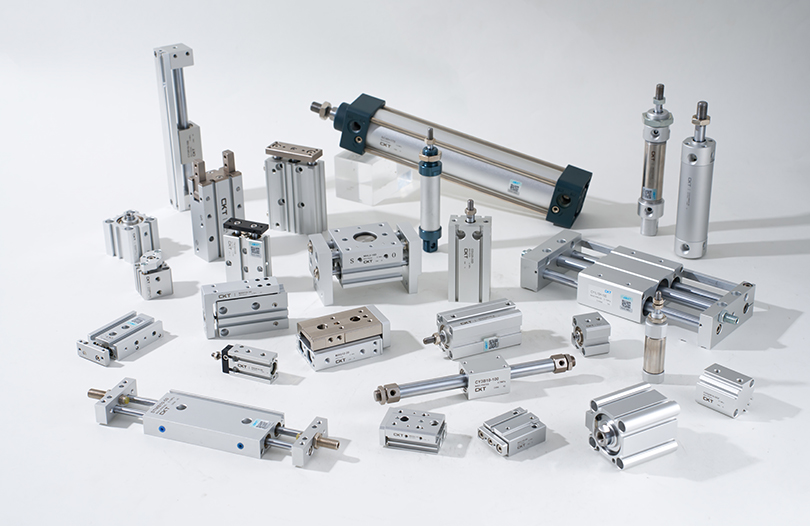
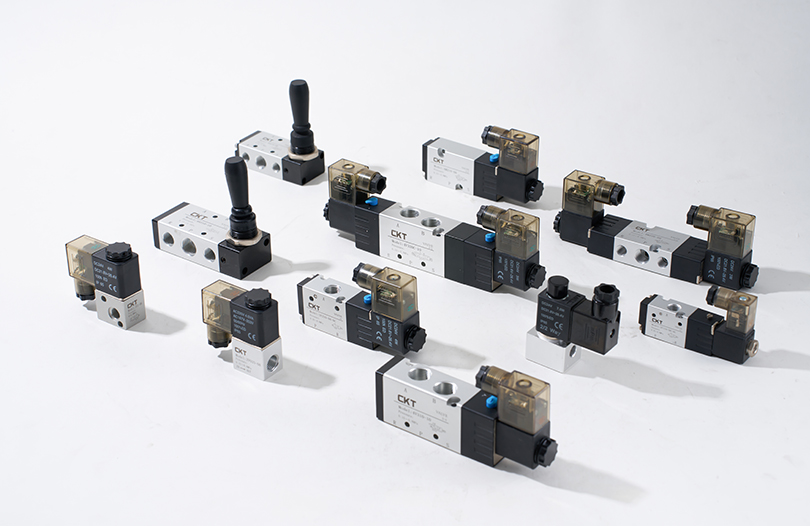
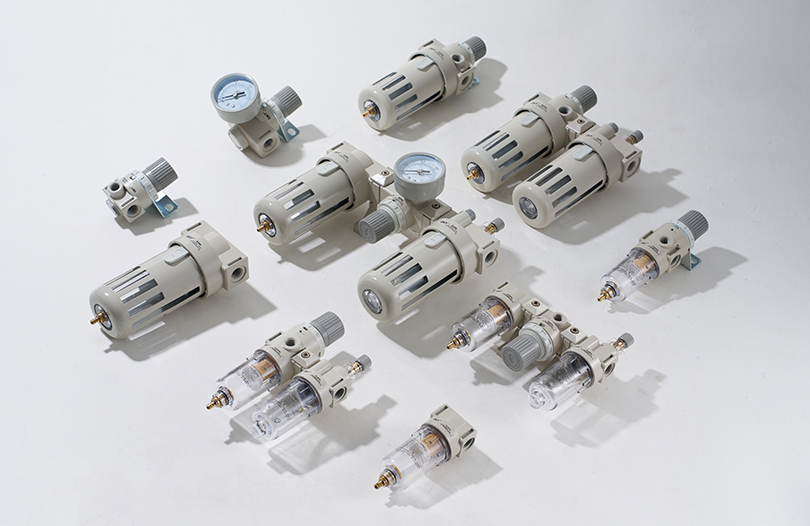
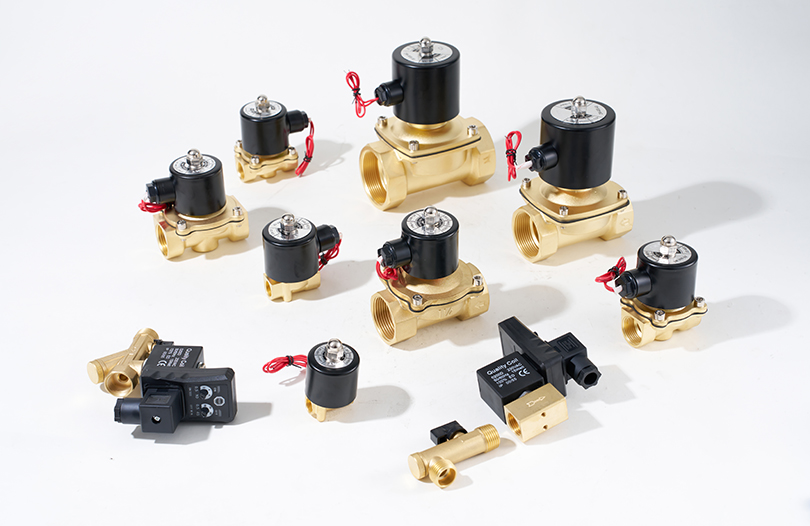
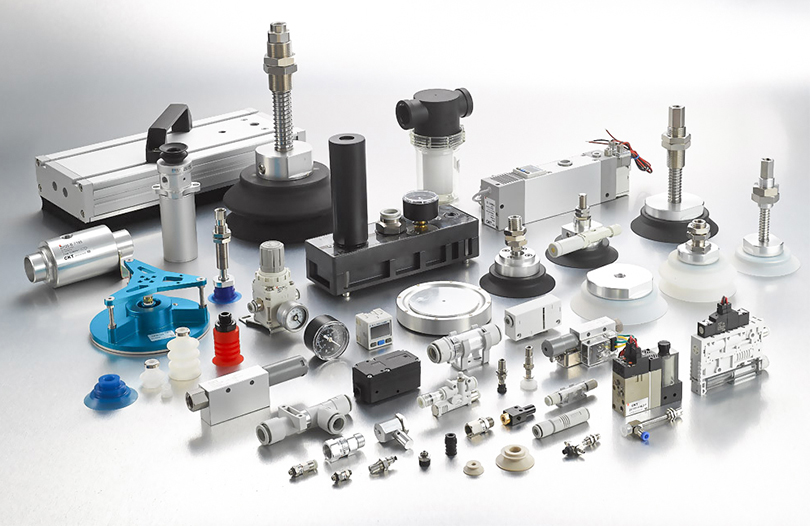
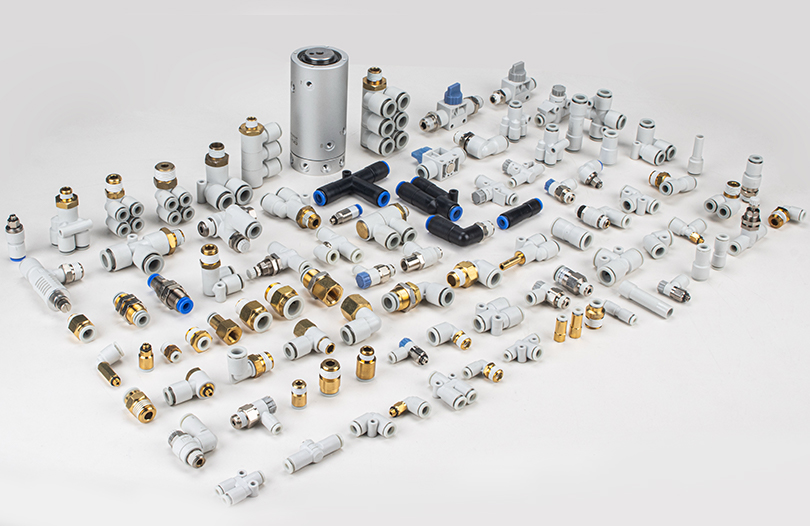


Pneumatic 2-port fluid valves are widely used in water treatment equipment, chemical production lines, food machinery, air pipelines, and other scenarios due to their rapid response, compact structure, and adaptability to various fluids. However, during long-term operation, the valve body may experience "sticking," leading to insensitive opening and closing, slow action, or even complete failure, affecting normal operating conditions. To effectively solve the problem, it is necessary to first understand the main causes of sticking and take corresponding measures for troubleshooting and maintenance.
1. Common Causes of Sticking in Pneumatic 2-Port Fluid Valves
(1) Scale Accumulation on Valve Core or Stem
When operating in media containing impurities, particles, rust, or sediment, the valve core and stem surface are easily covered with a layer of dirt, especially in environments with poor water quality or chemical media. When too much sediment accumulates, the sliding resistance of the valve core increases, resulting in difficulty in opening and closing, sticking, or inability to completely close.
(2) Aging or Expansion of Sealing Rings
The sealing rings inside the pneumatic 2-port fluid valve, after long-term contact with high temperatures, chemical media, or oily gases, will experience aging, hardening, expansion, and deformation. When the sealing ring deforms, additional friction is generated between the valve core and the seal, resulting in slower pneumatic actuation or even jamming.
(3) Insufficient air supply pressure or air circuit blockage
The pneumatic valve is powered by stable compressed air. When the air supply pressure is insufficient, the air pipe is damaged and leaking, the filter is blocked, or the pneumatic control signal is unstable, the actuator cannot obtain sufficient thrust to perform the opening and closing action. This results in the valve stopping halfway open, slow action, or no response at all.
(4) Insufficient internal lubrication of the actuator
Pneumatic actuators rely on internal lubrication to maintain smooth operation. If the lubricating oil dries up, the push rod is severely worn, or the spring is fatigued, the valve may jam during return or push. This type of wear is particularly noticeable under high-frequency operating conditions.
(5) Mechanical jamming due to installation misalignment or valve body deformation
If the valve body is installed at an incorrect angle, the pipeline connection is excessively pressurized, or it is deformed by external impact, the valve core may experience mechanical interference during movement, resulting in a "jammed" phenomenon. This is more common in large pipelines or heavy industrial equipment.
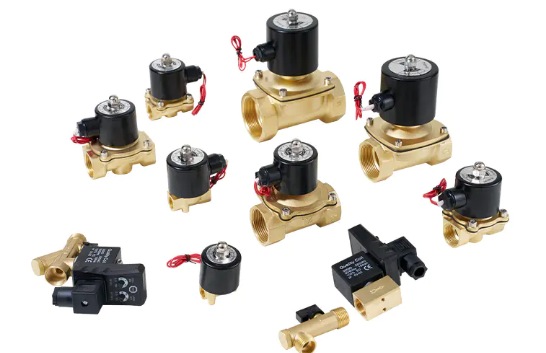
2. What to do if a pneumatic 2-port fluid valve is stuck? Solutions and suggestions
(1) Check the valve core and stem and remove deposits
First, remove the valve body and check for any accumulated impurities. Clean the valve core and stem with a soft cloth, alcohol, or a cleaning agent compatible with the medium. If corrosion or wear has appeared on the surface, replace the parts promptly. For media containing particles, it is recommended to install a filter to reduce deposit entry.
(2) Replace aged seals and use media-resistant materials
Aging seals are a common cause of stuck valves. Replacing them with media-compatible corrosion-resistant materials (such as EPDM, FKM, PTFE, etc.) can significantly extend the valve's lifespan. Lubricate the sealing rings during disassembly and assembly to ensure smooth operation.
(3) Adjust the air supply pressure and check the air path for blockages
Use a pressure gauge to confirm that the air supply pressure meets the valve's requirements, generally 0.4–0.7 MPa. If there is blockage in the oil-water separator, bends in the air pipe, or leaks, address these issues promptly. Maintaining a stable air supply is crucial to preventing jamming.
(4) Maintain and lubricate the actuator
Inspect the actuator's push rod, piston, and internal springs. Relubricate or replace the springs if necessary. For frequently opening and closing operations, shorten the maintenance cycle to prevent jamming due to increased wear.
(5) Correct the installation angle and check for valve body deformation
Ensure the valve's installation center is aligned with the pipeline and is not subjected to external pressure. If the valve body shows significant deformation, replace it immediately to avoid affecting overall operational accuracy.
3. How to prevent pneumatic two-way fluid valve jamming?
(1) A filter must be installed for media containing impurities.
(2) Regularly inspect the air supply treatment components to ensure the compressed air is clean.
(3) When operating in high-temperature or corrosive conditions, prioritize corrosion-resistant sealing materials.
(4) Establish a periodic maintenance system to inspect, lubricate, and adjust the actuator and valve body.
(5) Ensure proper installation to avoid excessive torque causing valve body deformation.