

 中文简体
中文简体
 English

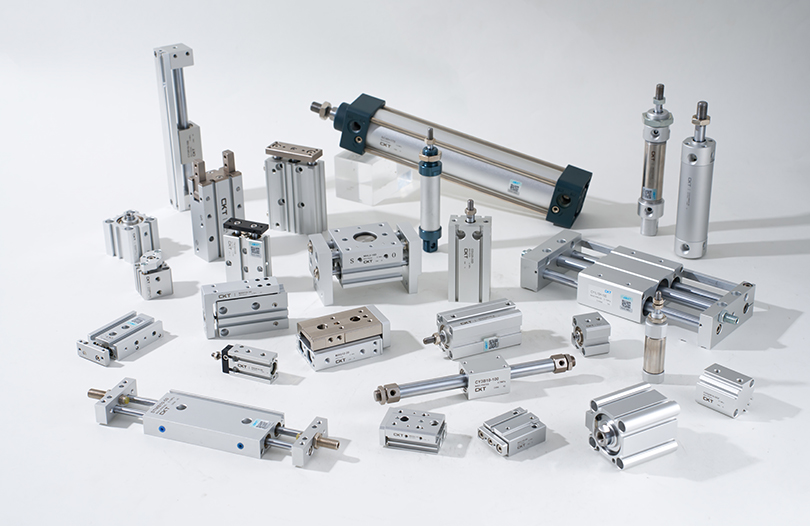
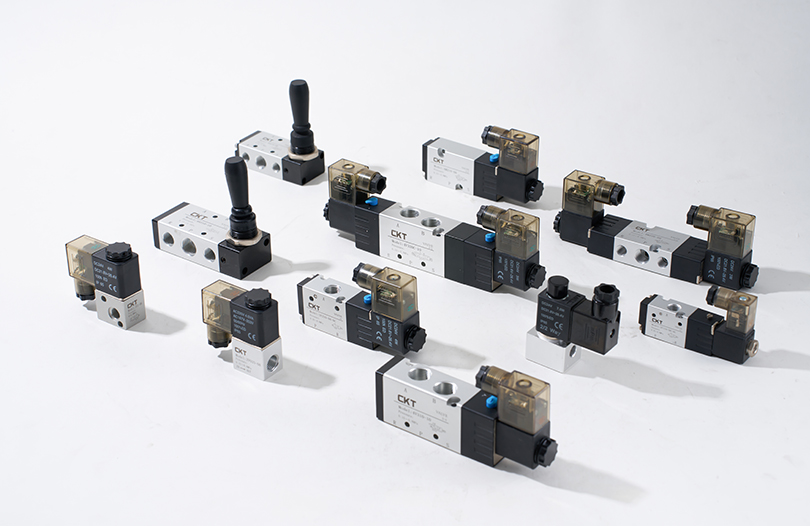
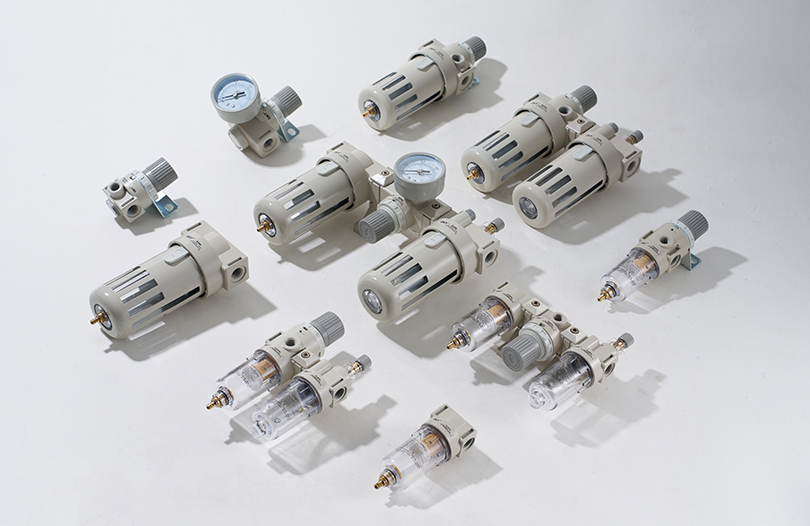
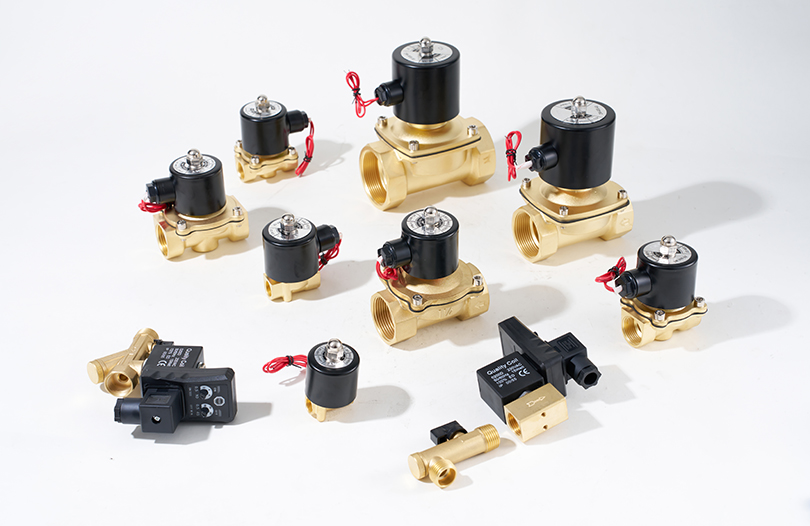
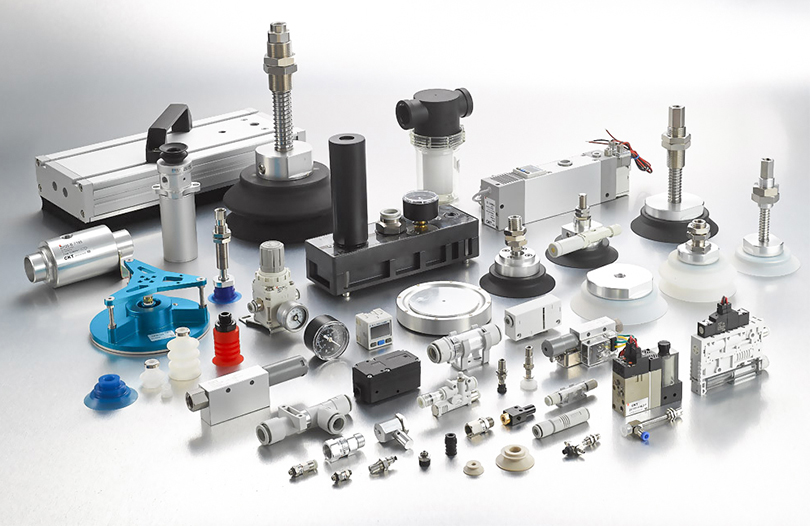
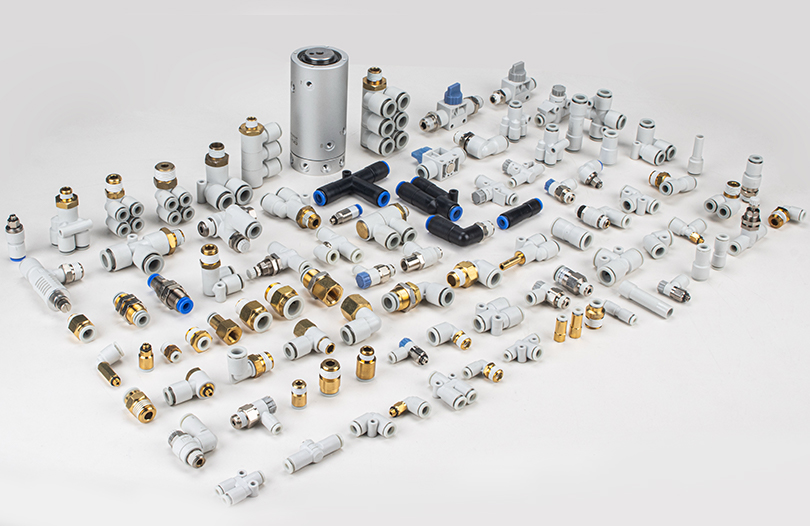
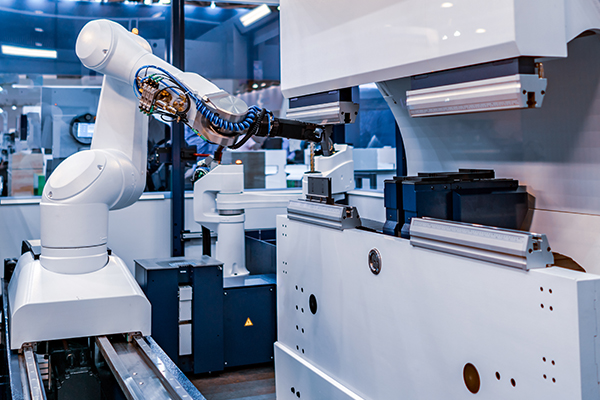

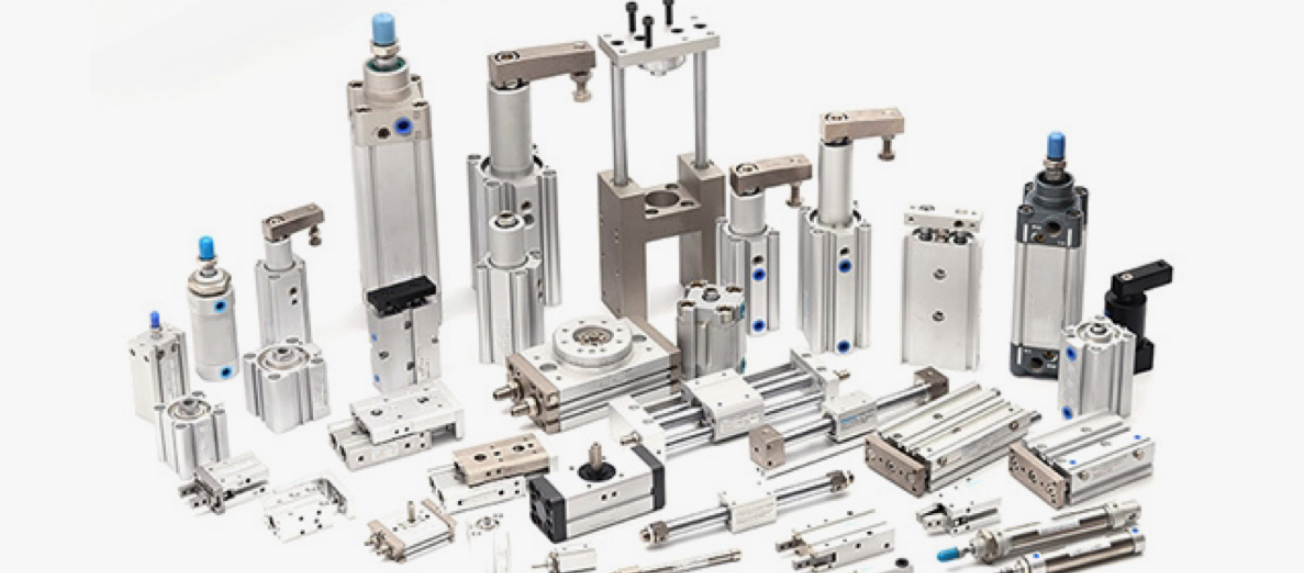
Pneumatic components use compressed air to drive mechanical parts to perform various tasks, such as transmission, clamping, and handling. Because pneumatic components often operate in harsh environments and under heavy loads for extended periods, without proper maintenance, they may experience performance degradation, frequent malfunctions, or even equipment downtime. Therefore, timely maintenance and upkeep are crucial to ensuring the long-term stable operation of pneumatic systems.
1. Regular Inspection and Cleaning of the Air Supply
The working principle of pneumatic components relies on the air supply; therefore, ensuring a clean and stable air supply is fundamental to the long-term reliable operation of pneumatic components.
Clean the filter: The air supply often contains moisture, impurities, and oil. If these impurities enter the pneumatic system without filtration, they can damage the pneumatic components. Regularly inspecting and cleaning the air supply filter is a basic maintenance task. Depending on the degree of contamination in the operating environment, the filter should be cleaned or replaced regularly to ensure a clean air supply.
Check the air compressor: The air compressor is the power source for pneumatic components and needs to be kept in good working order. Regularly check the compressor's oil level, filtration system, and cooling system to prevent compressor failures caused by oil contamination, poor cooling, etc.
Check the piping system: Leaks in the air piping system can lead to reduced performance of pneumatic components. Regularly check air pipe joints, valves, and other connecting parts for leaks. If leaks are found, they should be repaired promptly.
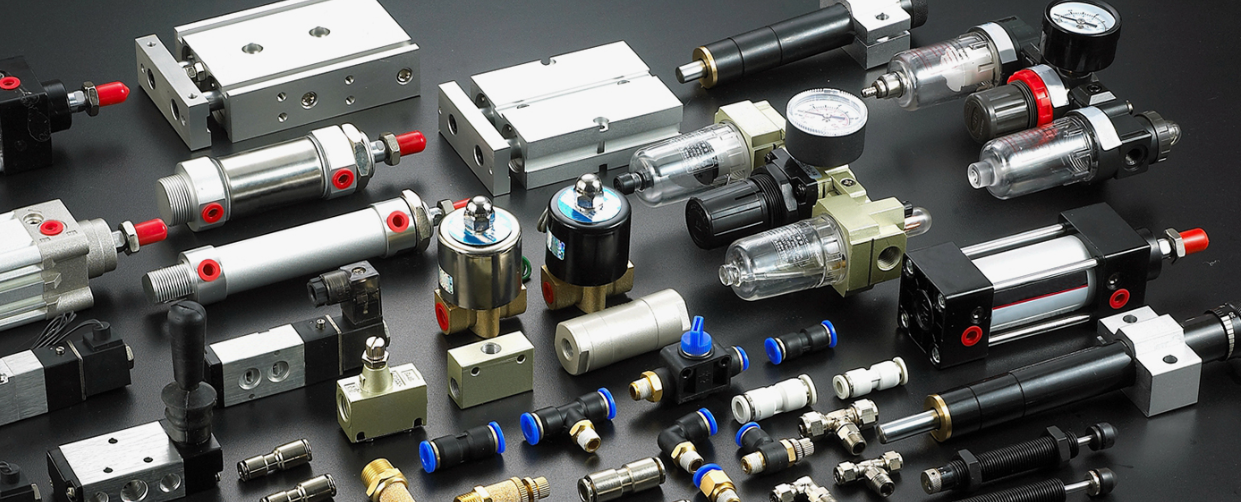
2. Regular Lubrication of Pneumatic Components
Lubrication is an important aspect of maintaining the smooth operation of pneumatic components, especially under high load and frequent movement. Lubrication of pneumatic components reduces wear, minimizes energy loss, and extends the life of the components.
Choose the appropriate lubricant: Different pneumatic components (such as cylinders, pneumatic motors, valves, etc.) require different types of lubricants. Generally, lubricants used for pneumatic components need to have low pour points, oxidation resistance, and wear resistance. Using an unsuitable lubricant may lead to performance degradation or component damage.
Lubrication method: For components such as cylinders, automatic lubricators can be used to ensure a continuous supply of lubricant. Oil mist lubricators can also be used to mix the lubricant with the air to achieve lubrication. Regularly check that the lubrication system is working properly and that each pneumatic component receives sufficient lubrication. Regularly check the lubricant level and clean the oil lines: The lubrication system of pneumatic components also needs to be checked regularly to ensure sufficient oil levels and prevent contamination. Regularly replace the lubricant to avoid negative impacts on the equipment due to oil degradation.
3. Regularly inspect seals and O-rings
Seals and O-rings are very important components in pneumatic components. Their function is to ensure the airtightness of the pneumatic components and prevent gas leakage. With long-term use, seals may age, wear, and deform, leading to a decrease in the performance of the pneumatic components.
Check the condition of the seals: Regularly check whether the seals of the pneumatic components are intact and whether there are cracks, aging, or leaks. If the seals are problematic, they should be replaced promptly.
Choose high-quality seals: Using high-quality sealing materials can extend the service life of the seals and reduce leakage. Choosing appropriate sealing materials is especially important in high-temperature, low-temperature, or corrosive environments.
Avoid improper use: When replacing seals, ensure correct operation during the installation process to avoid over-compression or uneven installation, thus preventing seal damage.
4. Maintain the working environment of pneumatic components
The working environment of pneumatic components has a direct impact on their lifespan and performance. Maintaining a good working environment and avoiding damage to pneumatic components from environmental factors can effectively reduce the failure rate.
Prevent contaminants from entering: Ensure that the working environment where the pneumatic components are installed is clean and dust-free. Especially for critical components in the pneumatic system such as valves and cylinders, contamination from dust, metal shavings, liquids, and other impurities should be avoided.
Control temperature and humidity: The operating temperature of pneumatic components usually has a certain range. Exceeding the temperature limits may lead to equipment damage or performance degradation. High humidity may cause corrosion, rust, or electrical short circuits inside the pneumatic system; therefore, temperature and humidity need to be controlled within a suitable range.
Avoid excessive vibration and shock: Excessive vibration and shock can have adverse effects on pneumatic components, potentially leading to seal damage and structural loosening. Therefore, try to avoid strong vibrations or shocks to the pneumatic system.
5. Regularly test the performance of pneumatic components
Regularly testing the performance of pneumatic components is an effective way to ensure their normal operation. By monitoring the performance of the components, potential problems can be detected and addressed in a timely manner, preventing failures. Pressure Testing: The operating pressure of pneumatic components needs to be maintained within the recommended range. Regularly test the working pressure of the pneumatic system to ensure it is within the normal operating range. If the pressure is found to be too high or too low, the cause should be identified and adjusted promptly.
Flow Testing: Test the flow rate of pneumatic components to ensure they meet design requirements. If the flow rate is too low, it may be due to pipe blockage, clogged filters, or damaged valves, and should be cleaned and repaired promptly.
Leak Detection: Use a gas leak detection instrument to regularly check the pneumatic system for leaks. Leaks not only waste energy but also affect the system's efficiency, so they should be repaired promptly.
6. Regular Inspection of Valves and Control Systems
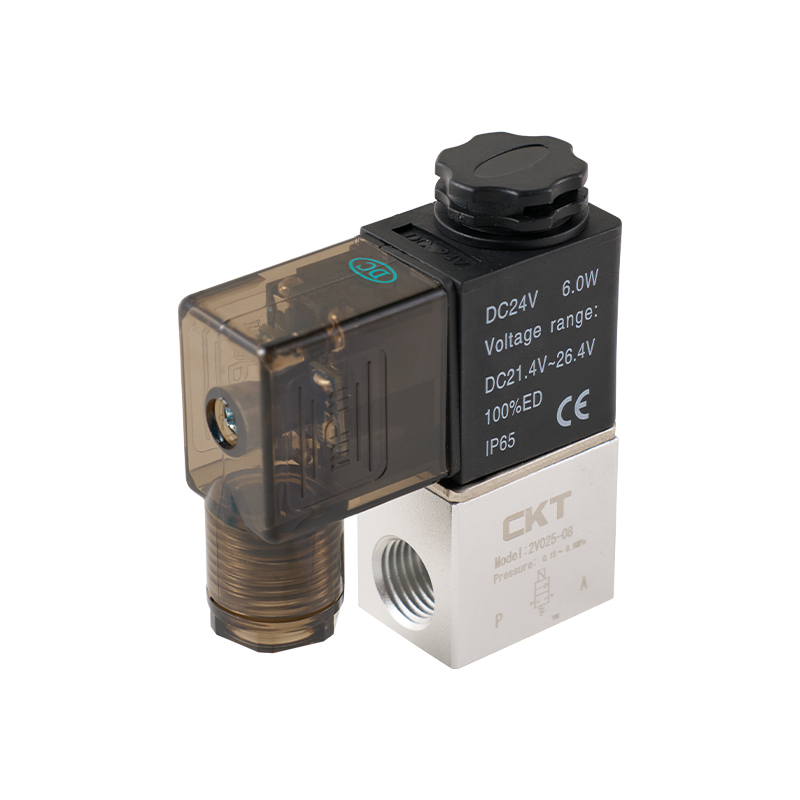
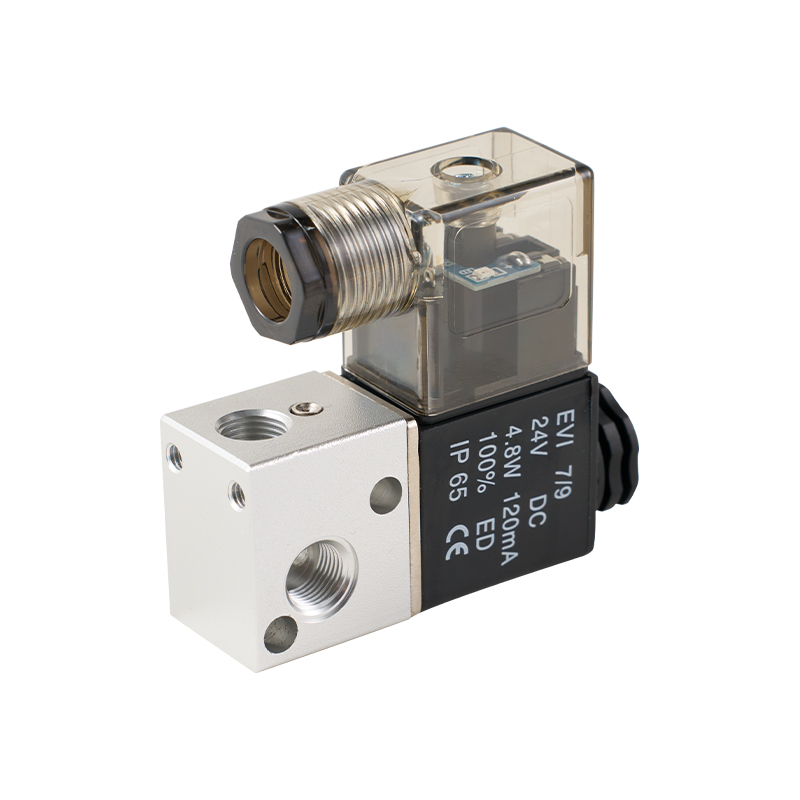
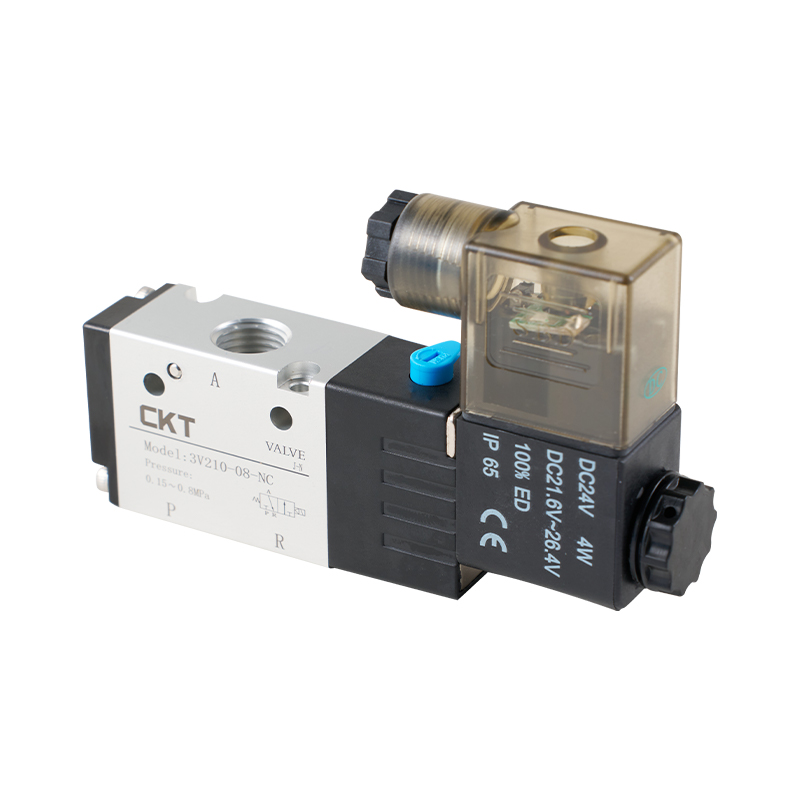
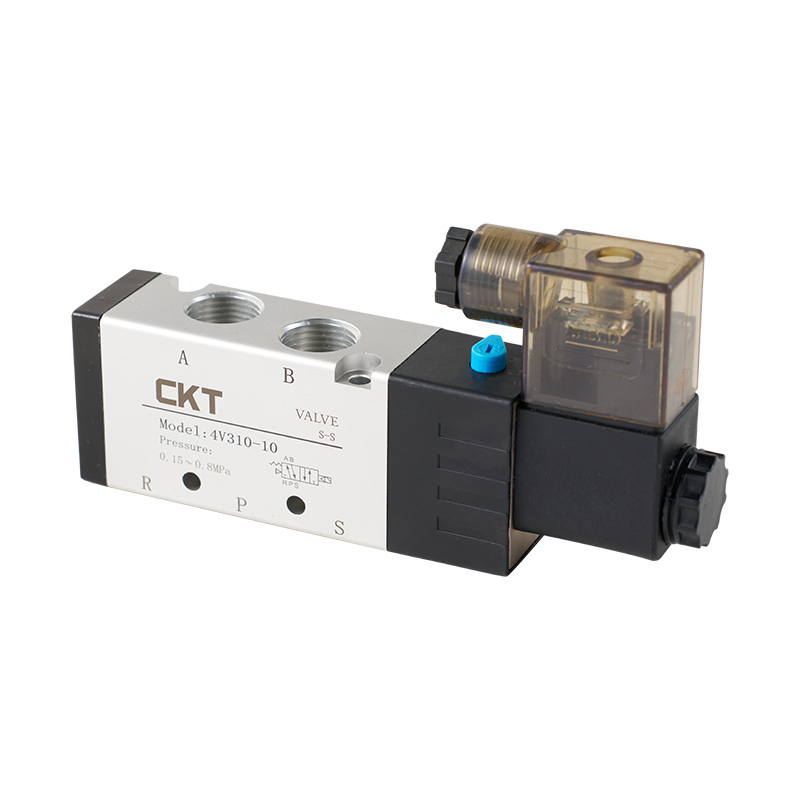
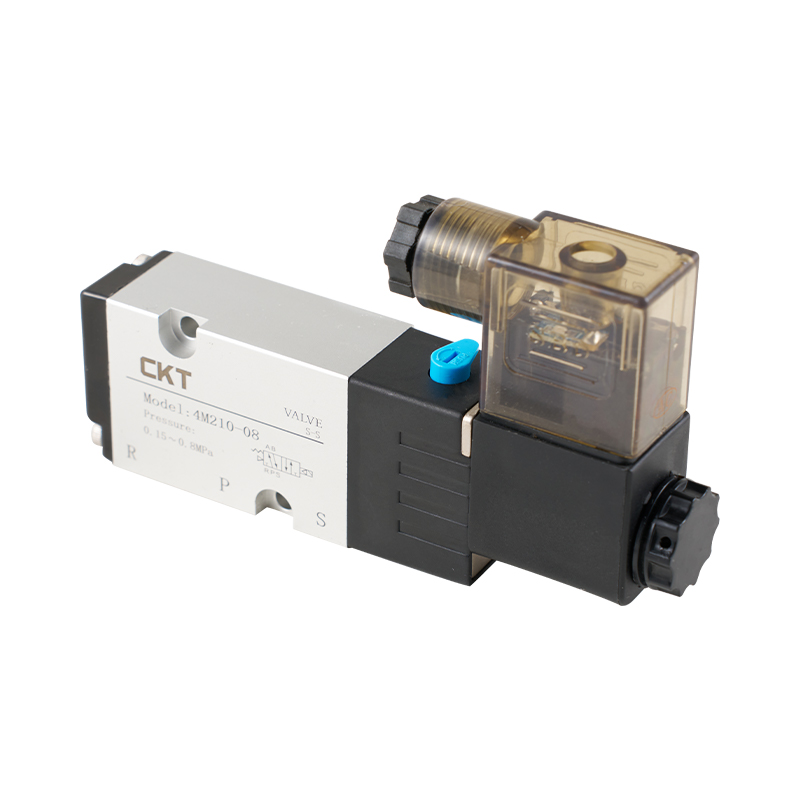
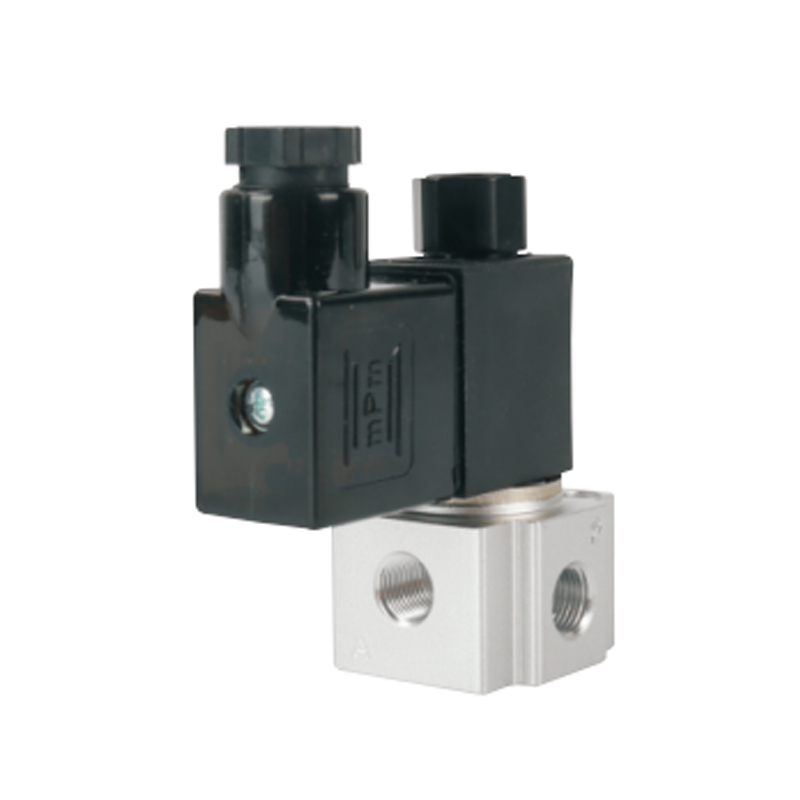
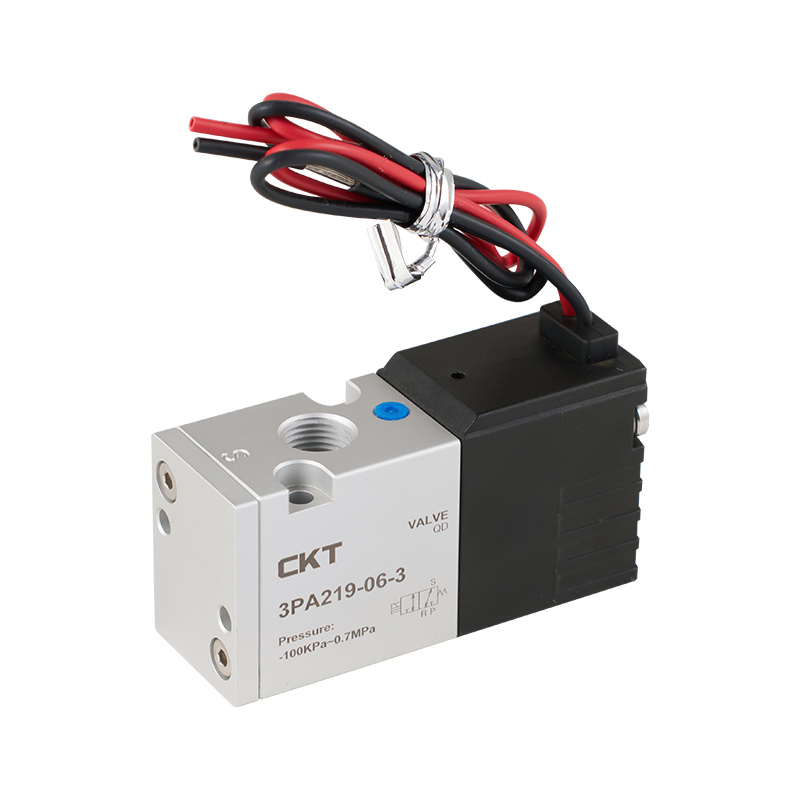
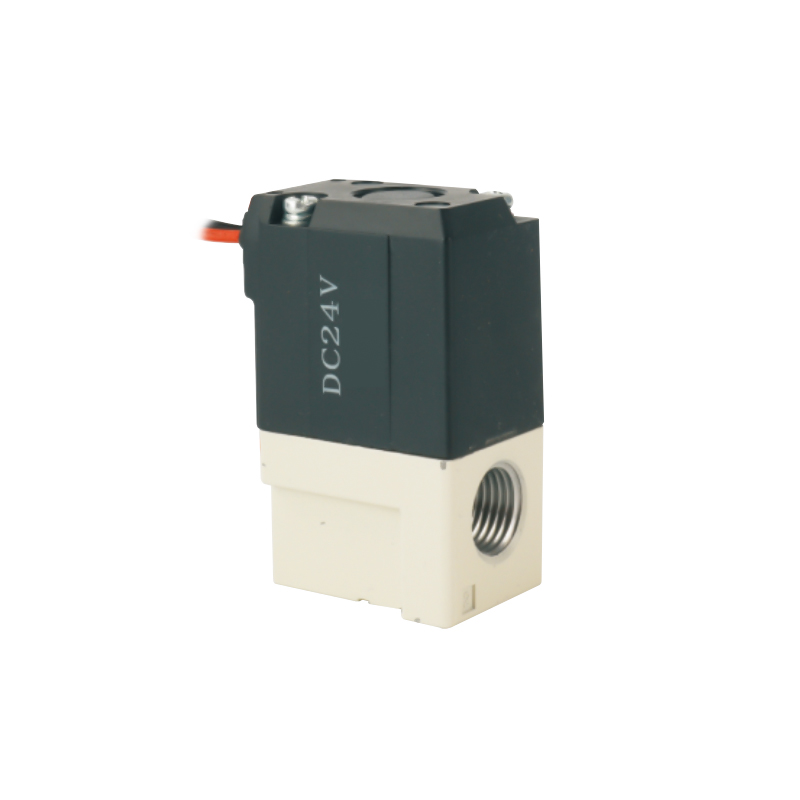
Valves and control systems are crucial parts of pneumatic components, controlling the direction, flow rate, and pressure of the airflow. If a valve malfunctions, it may cause the pneumatic system to fail to operate properly.
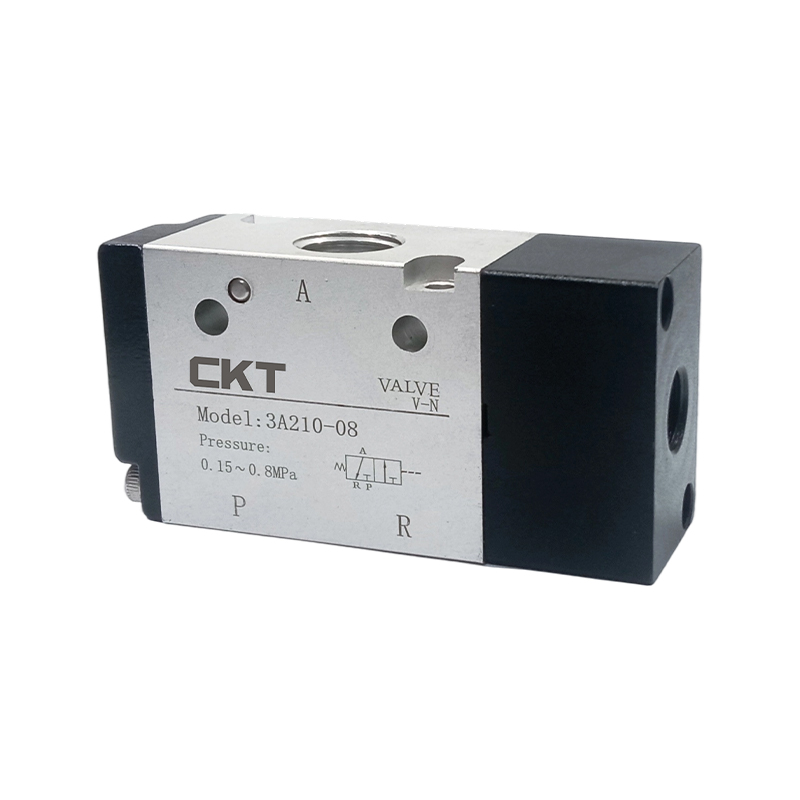
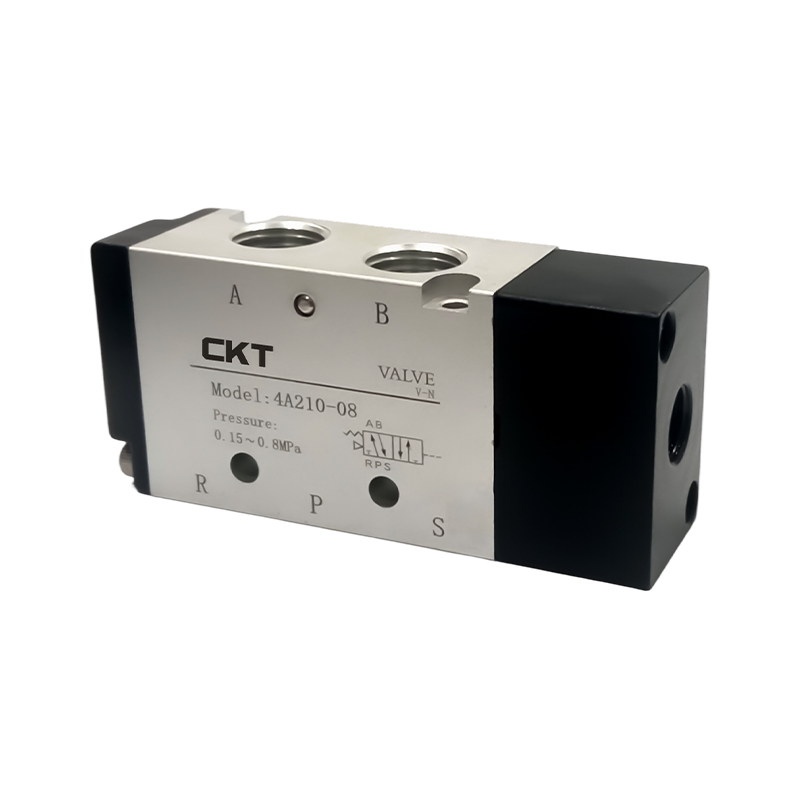
Check Valve Function: Regularly inspect various valves in the pneumatic components, such as check valves, directional control valves, and throttle valves, to ensure they are working properly. Check for jamming, wear, leakage, and other problems.
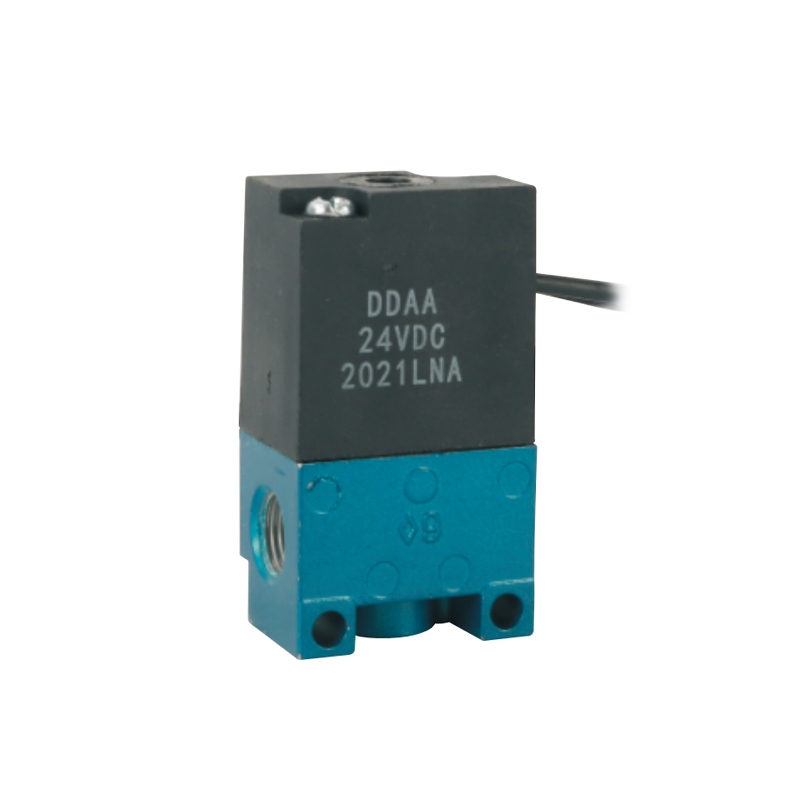
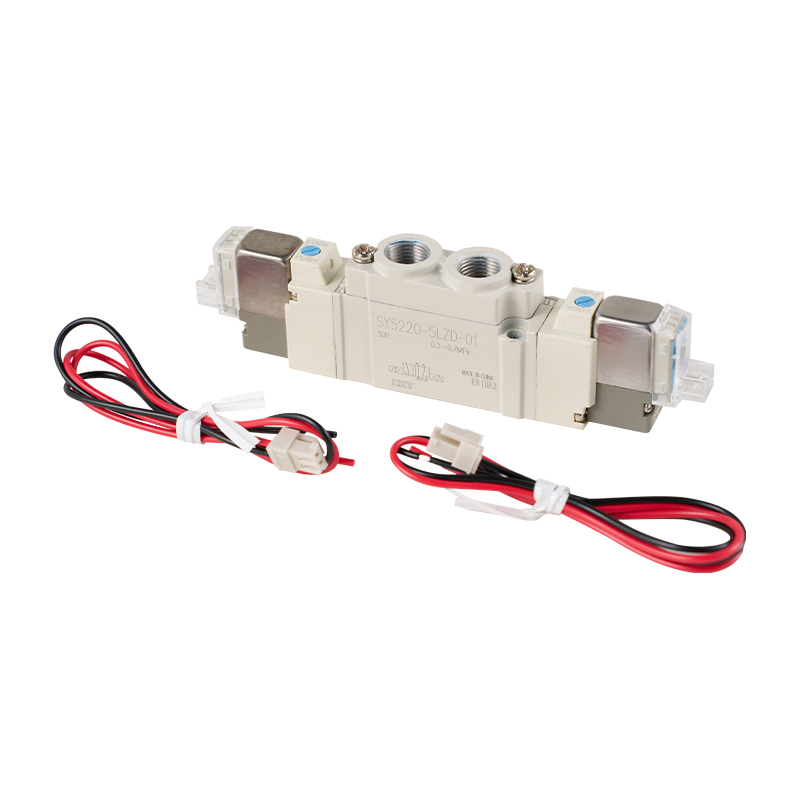
Check the Electrical Part of the Control System: The control system of pneumatic components is generally composed of PLCs, sensors, and solenoid valves. Regularly check the operating status of the electrical system to ensure accurate transmission and execution of control signals.
7. Regular Training of Operators
The awareness of operators regarding the use and maintenance of pneumatic components has a direct impact on their maintenance. Regular training of operators ensures that they understand the correct usage methods and maintenance techniques, which can effectively extend the service life of pneumatic components.
Operation Training: Through regular operation training, ensure that operators understand the correct use of pneumatic components to avoid equipment damage caused by improper operation.
Maintenance Training: Provide regular training for maintenance personnel to ensure they master basic fault diagnosis techniques, maintenance operation specifications, and equipment cleaning and maintenance procedures for pneumatic systems.