

 中文简体
中文简体
 English


Content
- 1 What Are the Key Types of Process Valves and Their Adaptability to Fluid Control Scenarios?
- 2 How to Match Process Valves to Specific Fluid Properties and Operating Conditions?
- 3 What Installation and Maintenance Practices Ensure Process Valves Perform Optimally in Fluid Control Systems?
- 4 How Will Technological Advancements Impact the Selection and Application of Process Valves in Industrial Fluid Control Systems?
Industrial fluid control systems are the core of many sectors, including chemical engineering, oil and gas, water treatment, and power generation. These systems rely on process valves to regulate fluid flow, pressure, and direction, directly impacting operational efficiency, safety, and product quality. With a wide variety of process valves available, how to determine which types fit specific industrial fluid control systems? Let’s explore this question from multiple dimensions.
What Are the Key Types of Process Valves and Their Adaptability to Fluid Control Scenarios?
Different process valves are designed to meet distinct fluid control needs, and their adaptability varies based on scenarios such as fluid type, pressure, and temperature.
Globe valves are widely used in systems requiring precise flow regulation. Their linear motion design allows for gradual adjustment of flow rates, making them suitable for applications like boiler feedwater control and chemical dosing systems. However, they have higher pressure drop, so they are less ideal for high-flow, low-pressure scenarios.
Ball valves, with their quick on-off operation, excel in systems needing fast flow control, such as oil and gas pipelines and water distribution networks. Their simple structure and low maintenance requirements make them a top choice for handling clean fluids, but they are not suitable for throttling applications where precise flow adjustment is needed, as this can cause valve seat wear.
Butterfly valves are lightweight and cost-effective, making them suitable for large-diameter systems like cooling water circuits in power plants and wastewater treatment facilities. They offer good flow capacity but have limited control precision, so they are often used in on-off or basic throttling scenarios rather than high-precision control systems.
Check valves are essential for preventing fluid backflow, which is critical in systems like pump discharge lines and chemical reaction vessels. They operate automatically based on fluid pressure, eliminating the need for external control, but their selection must consider factors like flow direction and backpressure to ensure reliable operation.
How to Match Process Valves to Specific Fluid Properties and Operating Conditions?
Matching process valves to fluid properties and operating conditions is a key step in ensuring system performance.
First, fluid type plays a decisive role. For corrosive fluids like acids and alkalis, valves made of corrosion-resistant materials such as stainless steel or Hastelloy are necessary to prevent material degradation. For viscous fluids like crude oil or slurry, valves with large flow passages (such as full-bore ball valves or eccentric butterfly valves) are preferred to avoid clogging. For abrasive fluids like slurries containing solid particles, valves with hardened trim (such as ceramic-coated seats) can extend service life.
Second, operating pressure and temperature must be considered. High-pressure systems (such as oil and gas wellheads) require valves with high-pressure ratings, such as gate valves or globe valves with reinforced bodies. High-temperature systems (such as steam pipelines in power plants) need valves made of heat-resistant materials like alloy steel, and their seals must be able to withstand extreme temperatures to prevent leakage.
Third, flow control requirements determine the valve type. For systems requiring precise flow regulation (such as chemical process loops), globe valves or control valves with positioners are ideal. For systems focused on on-off operation (such as tank filling lines), ball valves or butterfly valves are more suitable due to their fast response and low pressure drop.
What Installation and Maintenance Practices Ensure Process Valves Perform Optimally in Fluid Control Systems?
Even the right process valves will fail to deliver optimal performance without proper installation and maintenance.
In terms of installation, correct valve orientation is critical. For example, check valves must be installed in the correct flow direction to prevent backflow, and globe valves should be installed with the fluid entering the bottom of the valve to ensure proper throttling. Additionally, valve installation must comply with pipeline alignment requirements to avoid excessive stress on the valve body, which can cause leakage or structural damage. Proper sealing (using gaskets or O-rings compatible with the fluid) is also essential to prevent fluid leakage at the valve connections.
In terms of maintenance, regular inspection and servicing are necessary. For example, ball valves should be periodically lubricated to ensure smooth operation of the ball and stem, while butterfly valves need to have their seals checked for wear to prevent leakage. For control valves used in high-precision systems, regular calibration of positioners is required to maintain control accuracy. Additionally, preventive maintenance, such as cleaning valves to remove debris and replacing worn parts (like seats and stems), can extend valve service life and reduce unplanned downtime.
How Will Technological Advancements Impact the Selection and Application of Process Valves in Industrial Fluid Control Systems?
Technological advancements are constantly reshaping the selection and application of process valves, making them more efficient, intelligent, and reliable.
One major trend is the development of intelligent valves equipped with sensors and communication modules. These valves can monitor real-time data such as flow rate, pressure, and temperature, and transmit this data to a central control system for remote monitoring and adjustment. This not only improves control precision but also enables predictive maintenance, as the system can detect potential issues (such as valve seat wear or seal leakage) before they lead to failure.
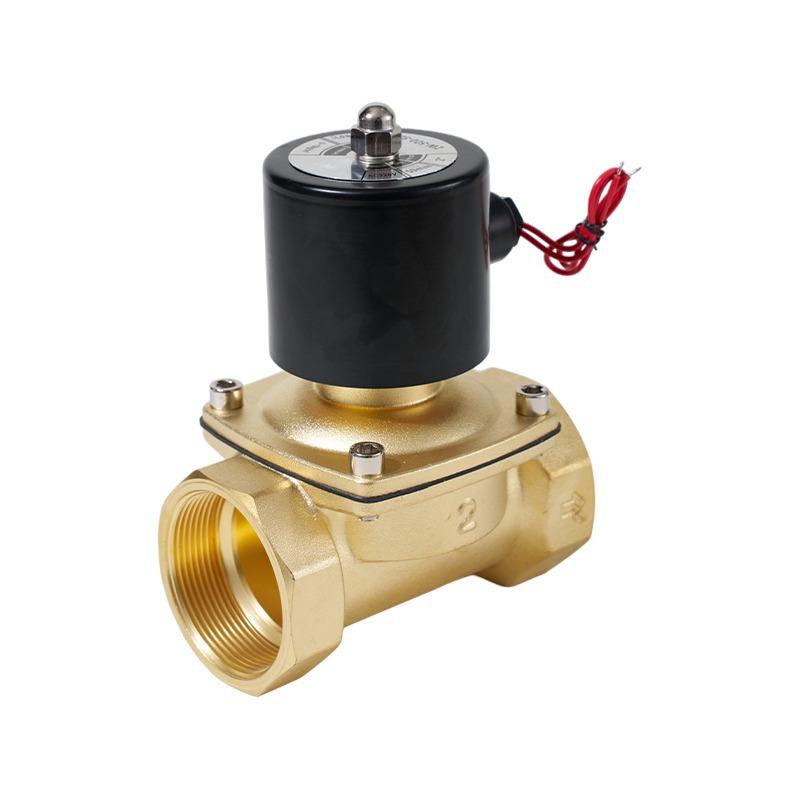
Another trend is the use of advanced materials to enhance valve performance. For example, the adoption of composite materials (such as fiberglass-reinforced plastic) makes valves lighter and more corrosion-resistant, expanding their application in harsh environments like marine and chemical industries. The development of new seal materials (such as perfluoroelastomers) also improves valve sealing performance at high temperatures and pressures, reducing leakage risks.
Additionally, 3D printing technology is revolutionizing valve manufacturing. This technology allows for the production of complex valve designs with optimized flow passages, improving flow capacity and reducing pressure drop. It also enables the rapid production of custom valves for specialized applications, reducing lead times and costs.
In conclusion, selecting the right process valves for industrial fluid control systems requires a comprehensive understanding of valve types, fluid properties, operating conditions, and installation/maintenance practices. With technological advancements driving the development of more intelligent and high-performance valves, industrial operators can expect to achieve higher efficiency, safety, and reliability in their fluid control systems. By carefully evaluating each factor and staying updated on the latest trends, they can ensure that their process valves are perfectly matched to their specific needs.