

 中文简体
中文简体
 English


Content
- 1 What Is a Double Acting Cylinder?
- 2 How Does a Double Acting Cylinder Work?
- 3 Double Acting vs Single Acting Cylinders
- 4 Types of Double Acting Cylinders
- 5 How to Choose the Right Double Acting Cylinder
- 6 Common Applications of Double Acting Cylinders
- 7 Installation and Maintenance Tips
- 8 Frequently Asked Questions About Double Acting Cylinders
- 8.1 What is a double acting cylinder?
- 8.2 How does a double acting cylinder differ from a single acting cylinder?
- 8.3 Can a double acting cylinder be used as a single acting cylinder?
- 8.4 How do I calculate the force of a double acting cylinder?
- 8.5 What is the difference between pneumatic and hydraulic double acting cylinders?
- 8.6 Why is my double acting cylinder moving slowly?
- 8.7 What is the maximum stroke length for a double acting cylinder?
For nearly every automated machine that needs precise, repeatable linear motion, a double acting cylinder is the standard choice. The conclusion is straightforward: when you need controlled force in both the extend and retract directions, a double acting cylinder outperforms a single acting cylinder in flexibility, speed control, and overall process reliability. This is true for both pneumatic systems and hydraulic systems, although the working medium differs.
The fundamental reason is that a double acting cylinder uses pressurised fluid on both sides of the piston. By switching the supply and exhaust ports, the piston can be actively pushed in either direction. This contrasts with a single acting cylinder, which relies on a spring, gravity, or external load to return to its home position. The result is that double acting cylinders deliver fully controlled travel, higher operational flexibility, and often better energy efficiency in cyclic applications.
From a purchasing and design perspective, this means you must evaluate cylinder bore size, stroke, operating pressure, cushioning, and mounting style. A poorly selected cylinder leads to weak thrust, premature seal wear, or excessive air consumption. Understanding the operating principles and selection criteria will help you avoid these risks and achieve long-term performance.
What Is a Double Acting Cylinder?
A double acting cylinder is a linear actuator that has two working ports, one at each end of the cylinder barrel. Pressurised air or hydraulic oil enters one port to drive the piston forward, while the other port is open to exhaust or return. Reversing the supply and exhaust flow makes the piston move backward. This bidirectional force capability distinguishes it from a single acting cylinder, which only has one pressurised chamber.
The main components include the cylinder barrel, piston, piston rod, front and rear end caps, piston seals, rod seals, and usually one or two cushioning mechanisms. The piston divides the barrel into two chambers: the cap end, which is the larger area behind the piston, and the rod end, which is the smaller area near the piston rod side. The difference in effective area means that extend force is naturally higher than retract force at the same pressure, which is a key factor when sizing a cylinder.
Pneumatic vs Hydraulic Double Acting Cylinders
The same geometric principle applies to both pneumatic and hydraulic cylinders, but performance characteristics differ significantly. Pneumatic double acting cylinders run on compressed air at typical pressures from 0.4 to 0.7 MPa (4 to 7 bar), producing lower force but very fast actuation. Hydraulic double acting cylinders use mineral oil or water-based fluids at pressures often between 7 and 35 MPa (70 and 350 bar), generating much higher force with smoother, more precise motion control.
| Parameter | Pneumatic | Hydraulic |
|---|---|---|
| Working medium | Compressed air | Hydraulic oil |
| Typical pressure | 0.4–0.7 MPa | 7–35 MPa |
| Relative force | Lower | Higher |
| Actuation speed | Fast | Slower |
| Position control | Moderate | Precise |
| System cost | Lower | Higher |
How Does a Double Acting Cylinder Work?
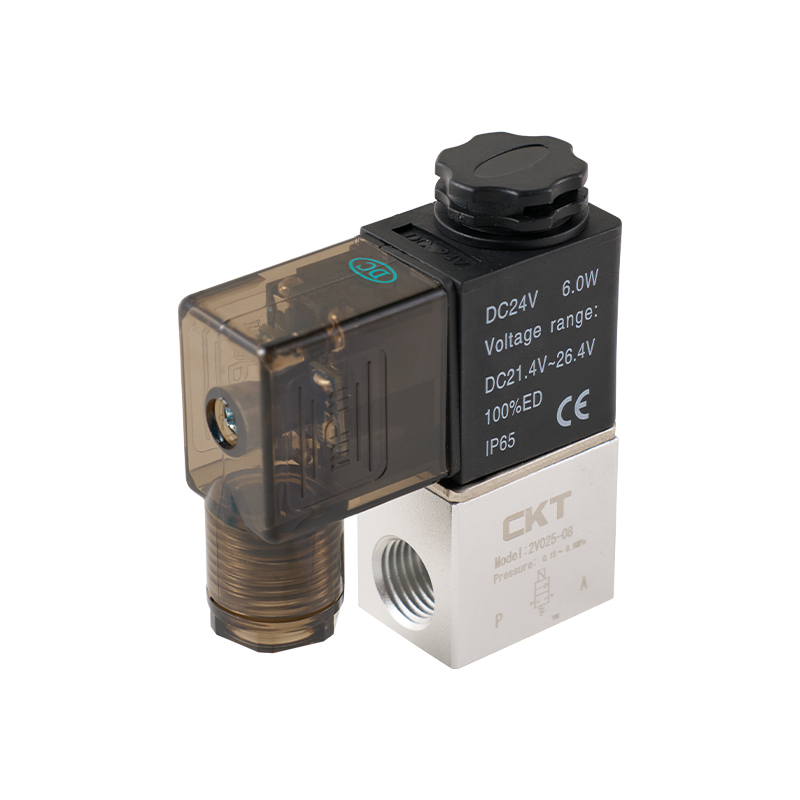
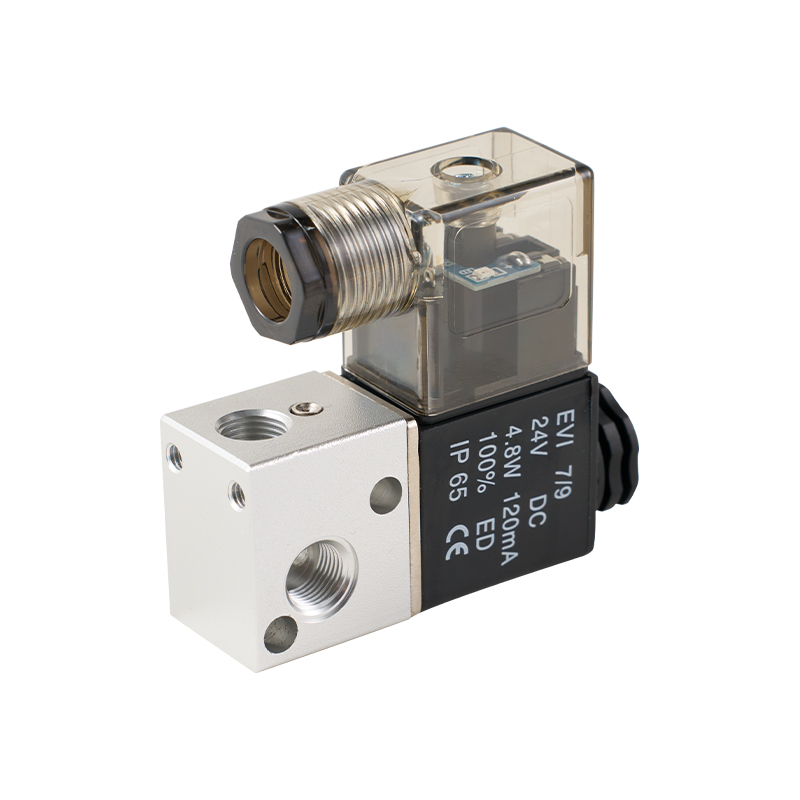
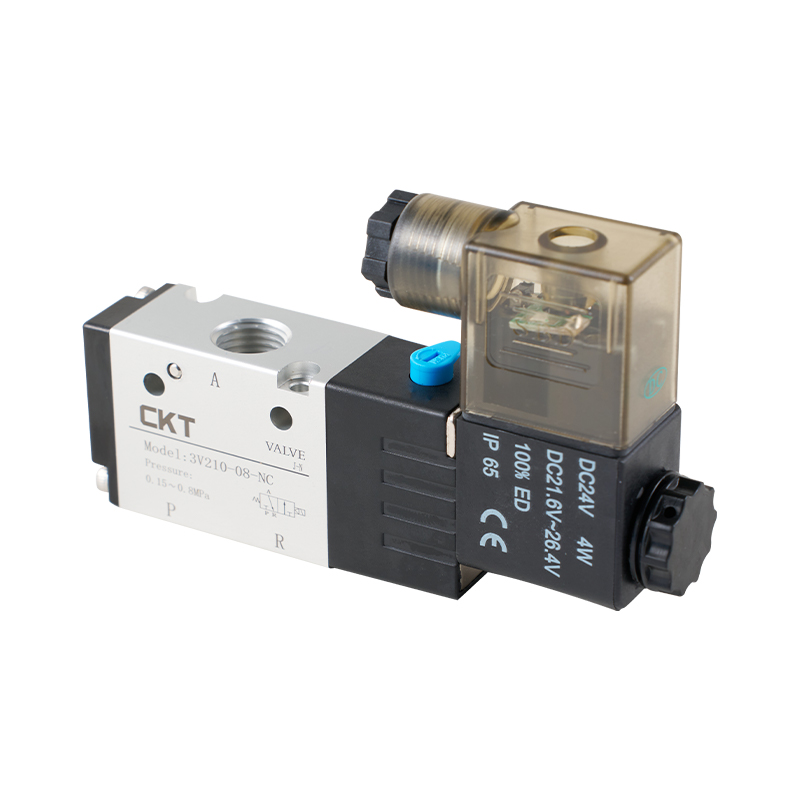
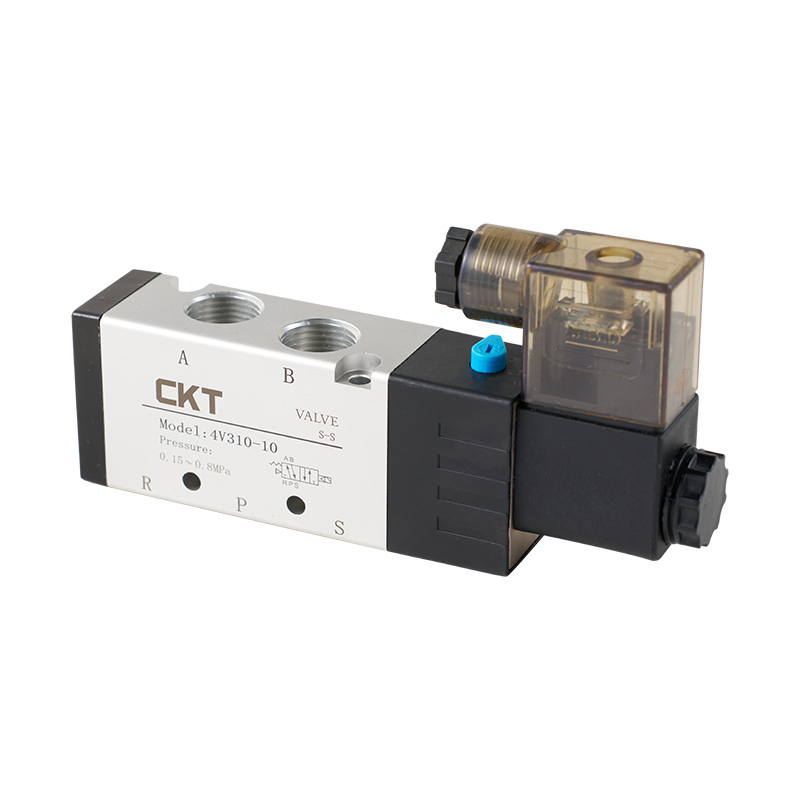
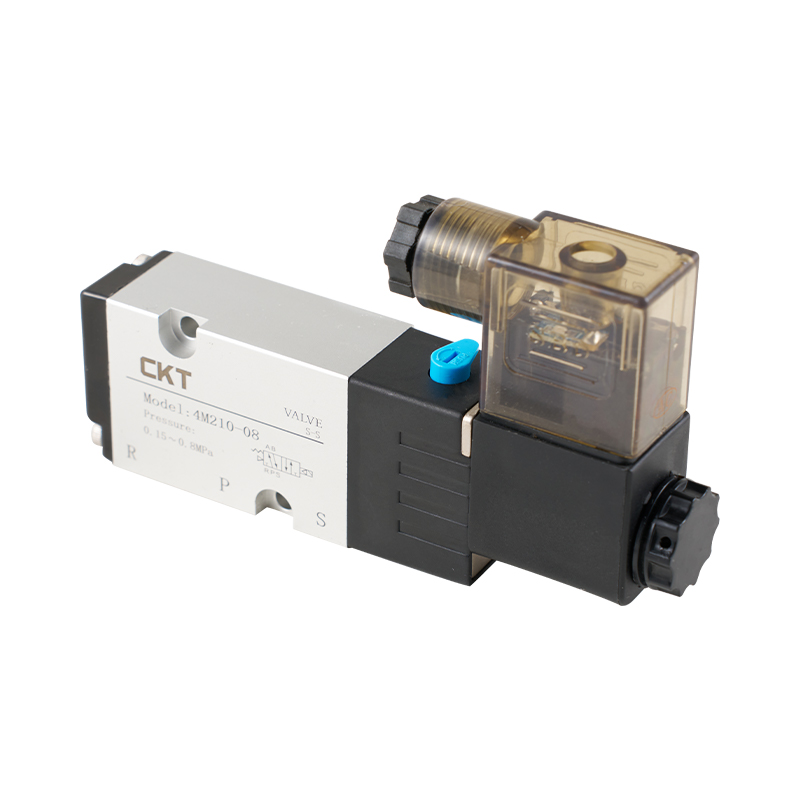
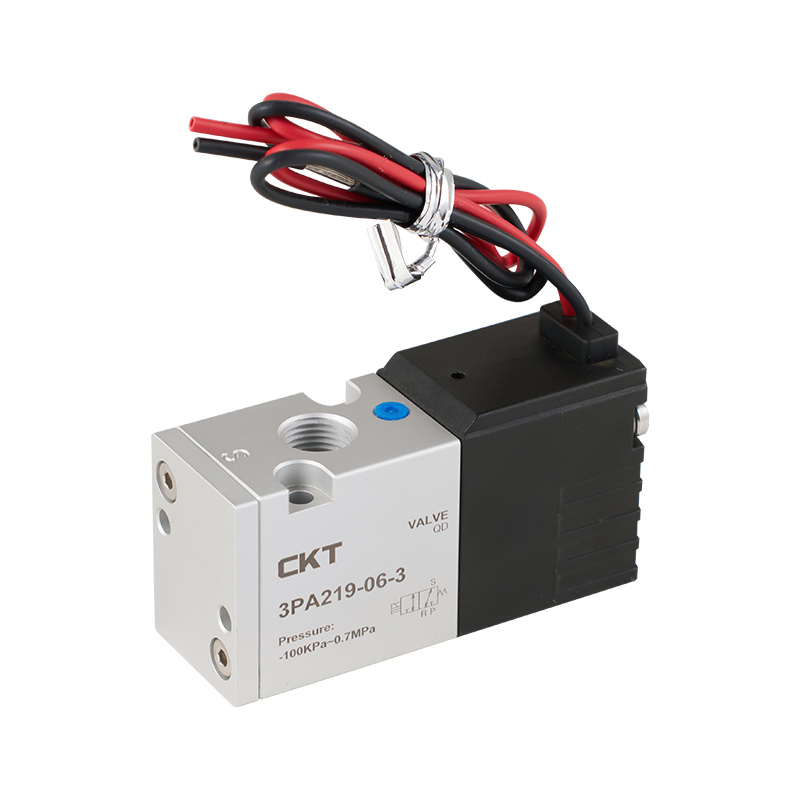
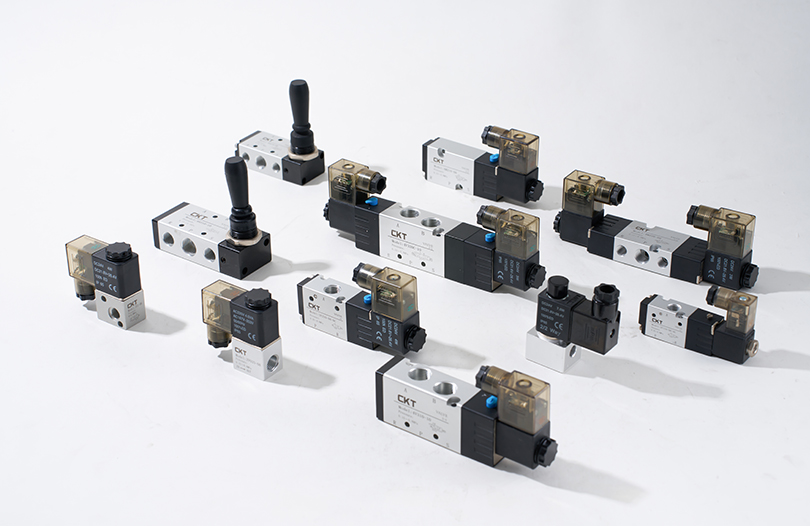
The working principle is straightforward: pressurised fluid acts alternately on both sides of the piston to create linear motion. When the cap-end port is pressurised and the rod-end port is open to tank or exhaust, the piston rod extends. When the supply is switched to the rod-end port and the cap-end port is exhausted, the piston rod retracts. This switching is achieved with a directional control valve, such as a two-position five-way solenoid valve in pneumatic systems or a four-way directional valve in hydraulic circuits.
Speed control is achieved by regulating the air or oil flow out of the exhaust port. In pneumatic systems, exhaust throttle valves are common. In hydraulic systems, meter-out flow control valves are used to avoid pressure spikes and to achieve smooth deceleration. Effective cushioning at the end of stroke is critical to prevent mechanical shock and piston damage; adjustable cushioning valves or external hydraulic shock absorbers are used when high inertia loads are involved.
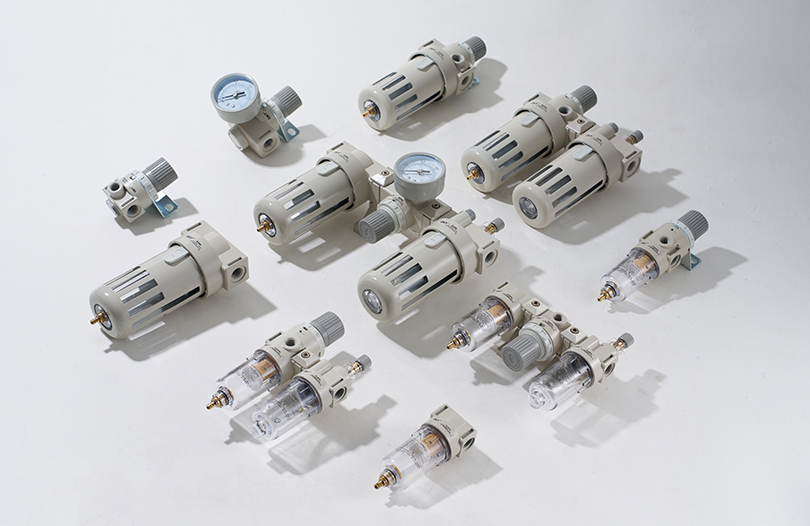
For pneumatic systems, the typical circuit consists of an air filter, pressure regulator, lubricator, directional valve, and two speed control valves. The directional valve is usually a double solenoid valve, which allows the cylinder to hold its last position when de-energised. This is particularly useful in safety-related clamping applications.
Double Acting vs Single Acting Cylinders
The key difference is that a double acting cylinder provides controlled force and motion in both directions, while a single acting cylinder provides force in one direction only. Single acting cylinders use a spring, gravity, or external load to return the piston, which means the return stroke cannot be tightly controlled. For applications where the cycle requires both pushing and pulling, or where precision matters, a double acting cylinder is the appropriate selection.
| Comparison | Single Acting | Double Acting |
|---|---|---|
| Force direction | One direction only | Both directions |
| Return stroke | Spring / gravity / load | Pressurised fluid |
| Position control | Limited on return | Full control |
| Typical use | Clamping, ejecting, gate opening | Automation, robotics, press machinery |
| Cost | Lower | Higher |
In practice, over 90% of pneumatic actuators used in general automation are double acting because they allow easy speed adjustment on both strokes and can produce holding force while the valve is energised. Single acting cylinders are still valuable when space is tight, the return force is not critical, or when safety requires a spring return.
Types of Double Acting Cylinders
Double acting cylinders are available in several mechanical configurations, each designed for specific mounting constraints, stroke lengths, and load conditions. Choosing the right type is just as important as choosing the right bore size.
Standard Tie-Rod Cylinders
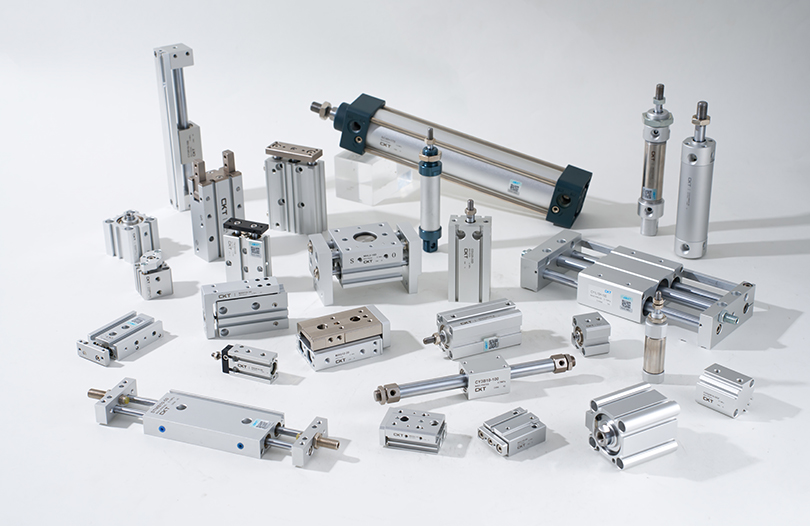
These cylinders follow traditional tie-rod construction, with four steel rods holding the end caps together. They are widely used in general-purpose automation and often conform to ISO 15552. The SC series is a classic example, offering multiple mounting options and bore sizes from 32 mm to 100 mm.
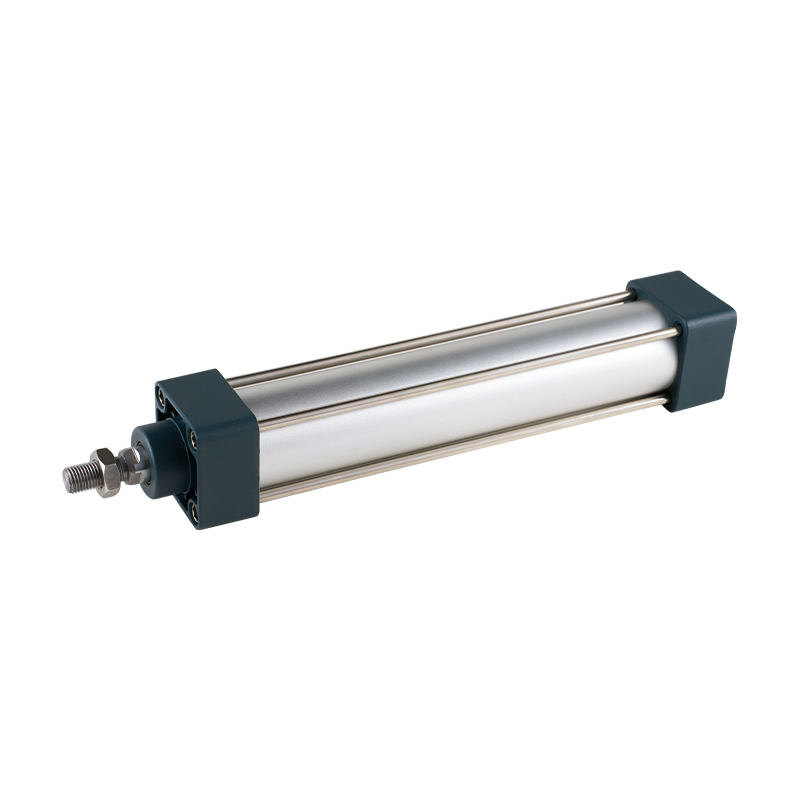 SC Series Tie Rod Standard Cylinder with Compact DesignThis tie-rod cylinder offers compact length compared to ISO 15552 types, with reliable construction and adjustable cushioning. Suitable for general automation, it can operate at temperatures up to 150°C with high-temperature seals.View Product →
Thin Cylinders
Thin cylinders, such as the CQ2 series, have a compact body profile designed for limited installation spaces. They provide strong force while saving axial length. They are common in clamping fixtures, conveyor stoppers, and compact machine frames.
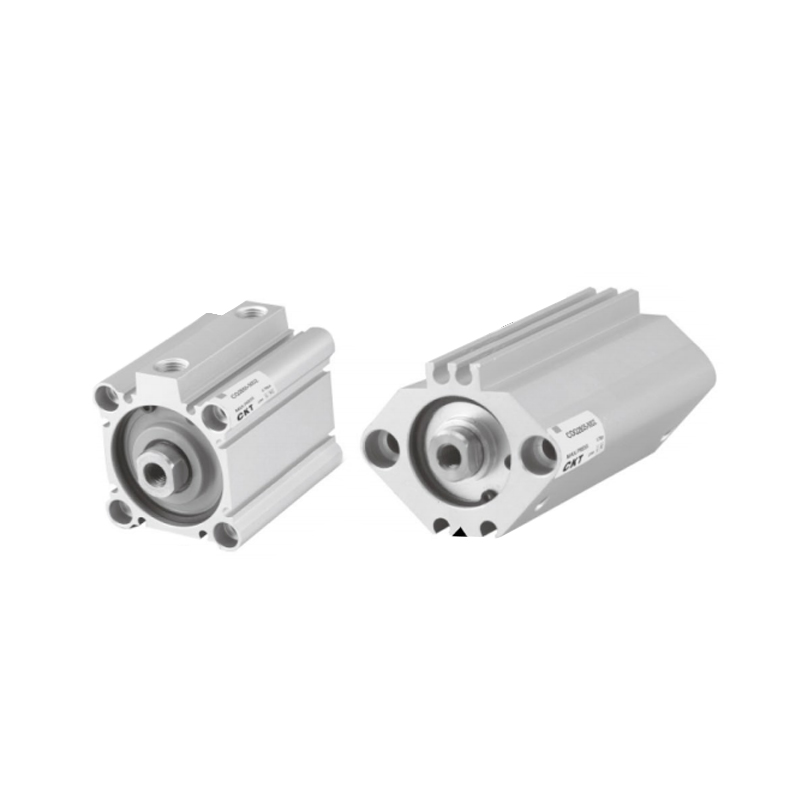 CQ2 Series Thin Cylinder for Limited Installation SpacesThis compact cylinder saves axial space while delivering strong force. Its non-protruding magnetic switch enhances safety and operability, and the improved waterproof design is suitable for environments with water and coolant.View Product →
Miniature Cylinders
Mini cylinders, including MA, MAL, MI, and CJ2 series, are used in small precision equipment where weight and space are critical. Stainless steel body versions are available for food processing or corrosive environments.
Rodless Cylinders
Rodless cylinders, such as the CY1 series, use a magnetic or mechanical coupling to transmit force to an external carriage. Their stroke length is not limited by buckling considerations of a piston rod, making them ideal for long-stroke applications in material handling and door opening systems.
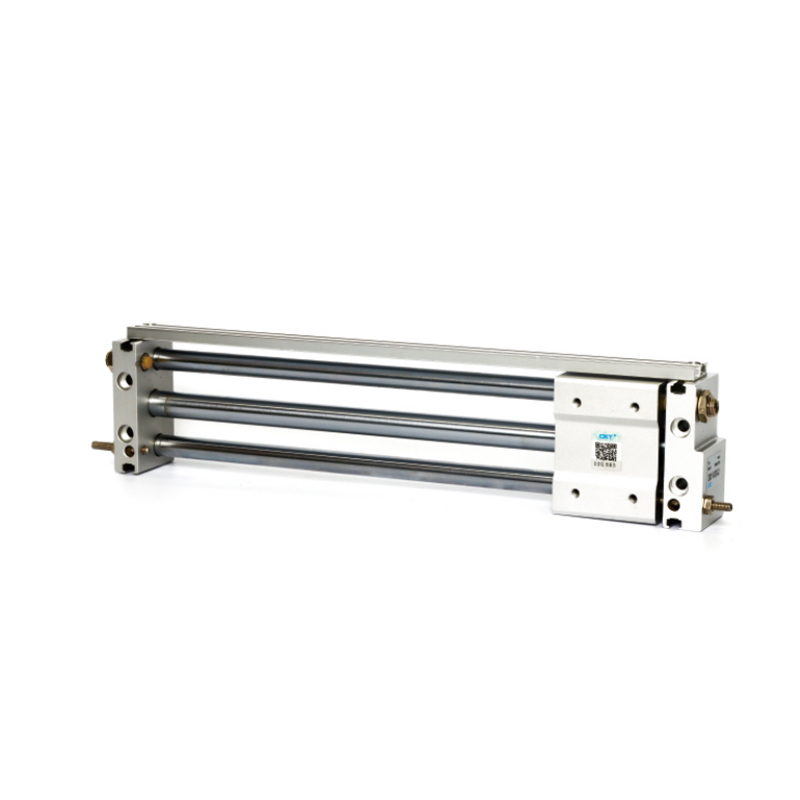 CY1S Series Sliding Bearing Rodless CylinderUsing magnetic coupling to transmit force, this rodless cylinder saves space and isolates the mover from the stator. Its sliding bearing guide and long-term lubrication ensure smooth, maintenance-free operation in dusty or lightly splashing environments.View Product →
Multi-Axis and Guided Cylinders
Multi-axis cylinders, including the CXS and MGP series, have two or more rods or guide rods that prevent rotation and resist side loads. They are used in precision pick-and-place mechanisms, where the tool must not rotate and where high lateral stability is required.
Rotary Clamp Cylinders
Rotary clamp cylinders, such as the MK series, combine linear clamping force with a 90-degree rotational motion. They are widely used in welding jigs and assembly fixtures to hold parts in place while avoiding interference with part loading and unloading.
How to Choose the Right Double Acting Cylinder
The most reliable way to select a double acting cylinder is to define the required output force, stroke length, speed, duty cycle, and available installation space. After that, verify that the candidate cylinder matches the working pressure, cushioning requirements, and mounting pattern of your application.
Bore Size and Output Force
Force is calculated as pressure multiplied by the effective piston area. For a pneumatic cylinder at 0.5 MPa (5 bar), a 63 mm bore cylinder produces an extend force of approximately 1,558 N. When the piston rod diameter is 20 mm, the retract force drops to about 1,397 N. Always size the cylinder for the higher of the two forces required in the cycle.
- Calculate the maximum load, including friction and acceleration forces.
- Convert to required thrust using the actual working pressure.
- Select the smallest bore that gives at least 25% margin over the required force.
Stroke Length
Stroke selection is based on the distance the load must travel. Most manufacturers offer standard strokes with tolerance of ±1 mm. For intermediate positioning, use cylinders with a magnetic piston and side-mounted magnetic switches, or combine them with external sensors for closed-loop control.
Speed and Cushioning
High-speed motion increases the risk of end-of-travel impact. Most double acting cylinders have built-in air cushioning, but heavy loads or high speeds may require external hydraulic shock absorbers to protect the machine and the cylinder itself. Check whether the cushioning is adjustable and whether the exhaust capacity of the speed control valves is sufficient for your cycle time.
Mounting and Environmental Factors
Mounting styles include foot mounts, flange mounts, rod-end eyebolts, and rear trunnions. The mounting must align with the direction of load and prevent side forces. For harsh environments, choose stainless steel rod and body options, or add protective bellows to protect the piston rod from dust and moisture.
Common Applications of Double Acting Cylinders
Double acting cylinders dominate automated manufacturing, packaging, and material handling equipment because they can perform both pushing and pulling operations under full control. They are used in assembling, clamping, lifting, sorting, and robotics.
For example, in a packaging line, a double acting cylinder can extend to push a carton onto a conveyor and then retract to let the next carton pass. In a welding fixture, a double acting cylinder applies clamp force and holds the workpiece until the weld cycle is complete. The cylinder then releases and allows the robot to remove the part.
The shift toward smart factories and flexible manufacturing has increased the demand for reliable pneumatic actuators. As highlighted in pneumatic cylinder industry analysis, the integration of pneumatic cylinders with electronic sensors and PLC control has become standard practice, improving throughput and repeatability.
Additionally, the trend towards higher value-added manufacturing and more advanced supply chain integration means actuators must be reliable over millions of cycles. Double acting cylinders with robust seals, precise cushioning, and easy maintenance are essential to minimise downtime.
Installation and Maintenance Tips
Proper installation and regular maintenance are the most effective ways to extend the service life of a double acting cylinder. The main risks are structural misalignment, contamination in the compressed air, and inadequate lubrication.
Installation Guidelines
- Use a floating joint between the piston rod and the load to compensate for minor misalignment.
- Install F.R.L. units (filter, regulator, lubricator) upstream to remove moisture and oil particles from compressed air.
- Align the cylinder axis with the load movement direction to prevent side loading on the piston rod.
- Use speed control valves at the exhaust ports to limit maximum velocity and reduce impact forces.
Preventive Maintenance
- Drain condensate from the air receiver and filters daily.
- Inspect piston rod for scratches, corrosion, or pitting every 1,000 operating hours.
- Check cushioning needles and adjust them if the end-of-stroke impact becomes sharp.
- Replace seals when leakage becomes visible or when the cylinder shows reduced force. A typical seal life is 200,000 to 500,000 cycles, depending on speed, temperature, and load.
Frequently Asked Questions About Double Acting Cylinders
What is a double acting cylinder?
A double acting cylinder is a linear actuator in which pressurised fluid acts alternately on both sides of the piston. It has two working ports and can produce force in both the extend and retract directions.
How does a double acting cylinder differ from a single acting cylinder?
A single acting cylinder has one pressurised chamber and relies on a spring or external load for return. A double acting cylinder has two chambers and uses fluid pressure for both directions, providing full control over the return stroke.
Can a double acting cylinder be used as a single acting cylinder?
Yes. You can connect only one port to the pressure supply and leave the other port vented to atmosphere or return line, but you gain no benefit. The unused port must remain freely exhausted, otherwise the cylinder will lock due to trapped fluid.
How do I calculate the force of a double acting cylinder?
For the extend stroke, force equals operating pressure multiplied by the full piston area. For the retract stroke, subtract the piston rod cross-sectional area first. Example at 0.5 MPa with a 63 mm bore and 20 mm rod: extend force is about 1,558 N and retract force is about 1,397 N.
What is the difference between pneumatic and hydraulic double acting cylinders?
Pneumatic cylinders use compressed air, are faster and lighter, but generate less force. Hydraulic cylinders use oil under high pressure, offer higher force and better position control, but require a hydraulic pump unit and are more expensive.
Why is my double acting cylinder moving slowly?
The usual causes are insufficient air or oil supply, a restrictive exhaust path, a pressure drop in the supply line, or incorrectly adjusted speed control valves. Check the valve port size, tubing diameter, and F.R.L. settings.
What is the maximum stroke length for a double acting cylinder?
For standard pneumatic cylinders, strokes up to about 2,000 mm are available. Beyond that, buckling of the piston rod becomes a concern, and a rodless cylinder or guided cylinder is recommended. Hydraulic cylinders can achieve much longer strokes because of higher structural rigidity.