

 中文简体
中文简体
 English


Content
The Essential Role of the 4H Series 5 Way Manual Valve in Industrial Pneumatics
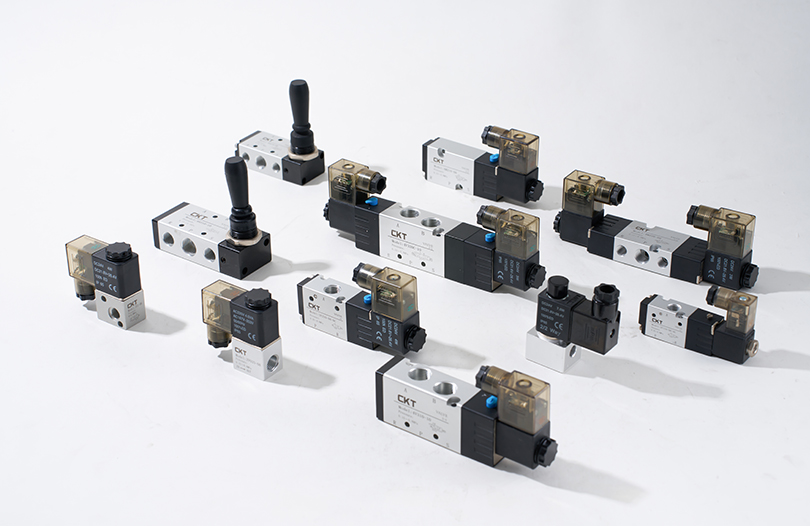
In the landscape of industrial automation, while electronic control is prevalent, the necessity for robust manual intervention remains critical. The 4H Series 5 Way Manual Valve serves as a fundamental reversing control element, specifically engineered for the precise switching of supply and exhaust paths. Whether you are managing double-acting cylinders or complex secondary actuators, the manual valve provides a level of tactile feedback and immediate control that automated systems sometimes lack. Its design focuses on the "human-machine interface," ensuring that every manual shift is met with a smooth valve stem actuation process and clear positioning.
The 4H Series is not just a basic component; it is a precision-engineered tool. For many workshop environments, the ability to manually override or test a pneumatic circuit is vital for safety and calibration. By utilizing a Manual Control Valve with a defined 5-way structure, operators can ensure that air pressure is directed exactly where it is needed, preventing accidental movements in high-stakes manufacturing environments. Statistical feedback from plant floor managers indicates that high-quality manual valves can reduce setup times by 15% during the initial machine calibration phase.
Advanced Engineering Features of the 4H Series
Sophisticated Core Sliding Column Design
At the heart of the 4H Series 5 Way Manual Valve is a core sliding column valve core design. This internal architecture is coupled with a sophisticated sealing solution that effectively isolates internal leakage. In pneumatic systems, even a minor leak can lead to significant energy waste and pressure drops. The compact sealing structure of the 4H series ensures that the integrity of the air path is maintained over hundreds of thousands of cycles. Furthermore, the overall structure is lightweight, which makes it an excellent choice for portable equipment or machines where weight distribution is a design concern.
Surface Treatment for Extended Service Life
Durability in manual valves is often dictated by the friction between moving parts. The 4H Series addresses this by applying a specific surface treatment method to the key inner hole channel. This treatment significantly reduces the friction resistance of internal moving parts. For the operator, this means less force is required to toggle the valve, and for the facility owner, it means the overall service life of the valve is greatly extended, even in high-frequency usage scenarios.
Maintenance-Free Lubrication and Easy Installation
One of the standout advantages of the 4H Series 5 Way Manual Valve is its maintenance-free lubrication design. Traditional pneumatic valves often require a constant supply of oil-mist lubrication to prevent the seals from drying out or the valve core from sticking. The 4H series eliminates this requirement, which simplifies the use process and drastically reduces the requirements for subsequent maintenance. This is particularly beneficial in "clean" industries such as food packaging or electronics, where the presence of lubricating oil in the exhaust air could contaminate the products.
Installation is equally streamlined. The valve includes a panel installation function, allowing it to be mounted directly onto a control desk or machine exterior for easy access. This stability enhances the applicability of the valve across diverse scenarios, from mobile pneumatic carts to stationary industrial workbenches.
| Feature Category | Specific Technology | User Benefit |
|---|---|---|
| Operation | Intuitive Manual Drive | Precise switching & clear positioning |
| Lubrication | Maintenance-Free Design | No external oil needed; clean operation |
| Internal Design | Sliding Column Valve Core | Zero internal leakage; light weight |
| Integration | Panel Mount Support | Simplified system integration |
Optimizing Workflow with Manual Control
While the automation trend continues to grow, the Manual Control Valve remains an indispensable asset for troubleshooting and localized control. The 4H Series 5 Way Manual Valve provides a bridge between human decision-making and mechanical execution. In applications such as clamping, where an operator must manually verify the position of a workpiece before securing it, the accurate operation and "sense of trust" provided by the 4H series are irreplaceable. By reducing the complexity of the pneumatic circuit—eliminating the need for sensors and PLC logic in simple tasks—manufacturers can create more cost-effective and reliable machinery.
Frequently Asked Questions (FAQ)
Does the 4H Series Manual Valve require constant lubrication?
No, the valve is designed with maintenance-free lubrication. It does not require external lubricating oil, which simplifies the use process and keeps your pneumatic system cleaner.
Is this valve suitable for controlling double-acting cylinders?
Absolutely. The 4H Series 5 Way Manual Valve is specifically designed for the precise switching of air paths for double-acting cylinders, making it a versatile component for various pneumatic actuators.
How does the internal friction treatment benefit the user?
The specific surface treatment on the inner hole channel reduces internal resistance. This leads to long-term low-resistance operation, ensuring the valve remains easy to operate over time and has a significantly extended service life.
Can I install the 4H series on a control panel?
Yes, the valve includes a panel installation function. This feature simplifies the system integration process, allowing for stable and professional mounting on equipment panels.