

 中文简体
中文简体
 English


Content
Understanding the Mechanics of the STM Series Slide Cylinder
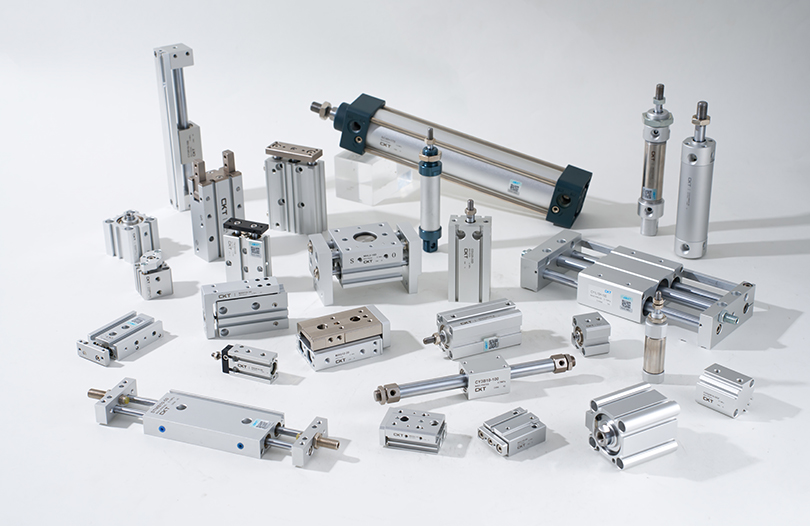
In the rapidly evolving world of industrial automation, the precision and stability of pneumatic components determine the overall efficiency of a production line. The STM Series Slide Cylinder has emerged as a preferred choice for engineers seeking high-performance linear motion. Unlike standard cylinders, a slide cylinder integrates the cylinder body with a sliding guide, providing a compact footprint without compromising on power. The STM Series (Ø10~Ø25) is specifically designed for applications where space is tight but the demand for lateral load resistance is high.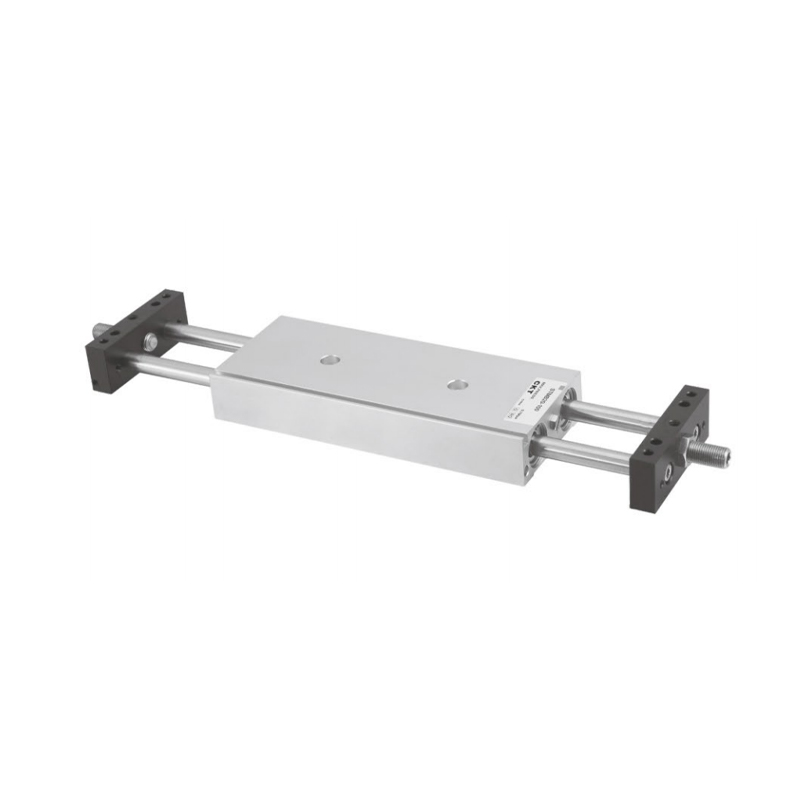
Choosing the right slide cylinder involves more than just selecting a bore size. It requires a deep understanding of how the internal structure, such as the double piston rod structure, influences the output. For many manufacturers, the transition to STM series components has resulted in a 25% increase in operational precision during pick-and-place operations. By focusing on the structural integrity of the Slide Cylinder, companies can minimize downtime caused by rod deflection or seal failure.
Key Features That Enhance Industrial Automation
Superior Anti-Bending and Anti-Torsion Performance
One of the most common questions regarding linear actuators is how they handle lateral forces. The STM Series Slide Cylinder utilizes a unique dual-rod design. This double piston rod structure ensures that the cylinder remains stable even when subjected to significant bending moments or twisting forces. In heavy-duty sorting systems, this translates to a cylinder that can withstand large motion loads without the risk of the rod snapping or the slider jamming.
Versatile Installation Options for Compact Spaces
Integration flexibility is a core strength of this series. The STM model offers two primary installation and fixing forms:
- Body installation: Ideal for stationary setups where the cylinder body is fixed to the machine frame.
- Slider installation: Perfect for dynamic applications where the load is mounted directly onto the moving slider.
This flexibility allows mechanical designers to optimize their machine layout, often reducing the total machine footprint by up to 15% compared to traditional cylinder-plus-guide rail configurations.
Optimizing Performance Under Extreme Conditions
Standard pneumatic components often struggle when exposed to high heat or high-speed impacts. The STM Series Slide Cylinder addresses these challenges through advanced materials and integrated dampening. Specifically, the option to select high temperature resistant sealing materials allows the cylinder to function flawlessly at temperatures up to 150℃. This is critical for industries such as glass manufacturing, metal casting, and automotive engine assembly where ambient heat can degrade standard rubber seals within days.
Furthermore, the longevity of the cylinder is protected by buffer devices. Depending on the velocity and load of the application, users can choose between anti-collision pads for light damping or oil pressure buffers for high-energy absorption. By effectively slowing down the impact speed at both ends of the stroke, these buffers can extend the service life of the cylinder by over 2 million cycles, significantly lowering the total cost of ownership.
| Feature | Technical Specification | Operational Benefit |
|---|---|---|
| Bore Sizes | Ø10, Ø16, Ø20, Ø25 | Scalable for different load requirements |
| Max Temperature | Up to 150℃ (Special Seals) | Reliable in extreme heat environments |
| Rod Configuration | Double Piston Rod | High anti-torsion & lateral load resistance |
| Buffering | Oil Pressure / Rubber Pads | Shock absorption & extended component life |
Why Modern Factories are Switching to STM Series Slide Cylinders
Efficiency in the modern factory is measured by throughput and reliability. The STM Series Slide Cylinder provides a robust solution for repetitive motion tasks. For instance, in electronics assembly, a Ø16 bore STM cylinder can handle rapid cycling of high-precision components with a repeatability error of less than 0.05mm. This level of precision is achieved through the integrated guide system which prevents the "sagging" effect common in single-rod pneumatic cylinders.
Maintenance teams also favor the STM Series because of its modular nature. When a cylinder eventually reaches the end of its life cycle, the mounting dimensions remain consistent, allowing for a "drop-in" replacement that takes minutes rather than hours. By investing in high-quality Slide Cylinders, facilities can ensure that their automated systems remain competitive and cost-effective in the long run.
Frequently Asked Questions About STM Series Slide Cylinders
What is the main advantage of the double piston rod in the STM series?
The double piston rod structure provides significantly higher resistance to lateral loads and prevents the piston rod from rotating during operation. This ensures that the cylinder can withstand large motion loads without requiring external guides.
Can these cylinders operate in high-temperature environments?
Yes, by choosing optional high temperature resistant sealing materials, the STM Series Slide Cylinder can operate stably in environments with temperatures as high as 150℃.
Which buffer device should I choose: pads or oil pressure buffers?
Anti-collision pads are suitable for low-speed and low-energy applications. For high-speed motion or heavy loads, oil pressure buffers are recommended as they provide smoother deceleration and more effective shock absorption.
How does the mounting style affect the application?
The body installation is best for fixed-point force, while the slider installation allows the load to move along the track of the cylinder. Both options provide a stable and rigid platform for high-precision tasks.