

 中文简体
中文简体
 English



Content
- 1 What Is a Pneumatic Solenoid Valve and the First Decision You Need to Make
- 2 How Does a Pneumatic Solenoid Valve Work?
- 3 Pneumatic Solenoid Valve Types: Port Configurations Explained
- 4 Direct Acting vs Pilot Operated: A Practical Comparison
- 5 Normally Closed, Normally Open, or Bistable?
- 6 Key Specifications to Check Before You Buy
- 7 Mounting Styles: Inline, Manifold, and Sub-base
- 8 Application-Driven Selection and a Practical Checklist
- 9 Troubleshooting and Maintenance
- 10 Frequently Asked Questions About Pneumatic Solenoid Valves
- 10.1 What is the difference between a 2/2 and a 3/2 solenoid valve?
- 10.2 Can a direct-acting solenoid valve operate at zero pressure?
- 10.3 How do I calculate the Cv I need?
- 10.4 Why does my solenoid valve overheat?
- 10.5 What voltage should I choose?
- 10.6 Should I choose a normally open or normally closed valve?
What Is a Pneumatic Solenoid Valve and the First Decision You Need to Make
A pneumatic solenoid valve is an electromechanical directional valve that uses an electric coil to open, close, or redirect compressed air. The most direct answer for most automation projects is: choose the valve function first, then the flow size, then the voltage and mounting style.
If you are controlling a double-acting cylinder, a 5/2 pilot-operated valve is the conventional starting point. If you are controlling a single-acting cylinder, a 3/2 valve is usually enough. If you only need to block or release air, a 2/2 valve will do the job.
The practical selection process involves three steps: define the valve function, calculate the required flow, and match the electrical and installation conditions. The sections below explain every step in detail, with specific technical points that make the difference between a reliable machine and a chronic maintenance problem.
How Does a Pneumatic Solenoid Valve Work?
The working principle is simple in concept: an electric coil creates a magnetic field, the magnetic field moves a plunger or armature, and that movement shifts a spool or poppet inside the valve body. The shifted element connects different ports so that air can flow in one direction or another.
- Coil – converts electrical energy into magnetic force.
- Plunger or armature – moves in response to the magnetic field.
- Core tube – guides and protects the moving part.
- Return spring – returns the valve to its normal position when power is removed.
- Spool or poppet – changes the connections between ports.
- Valve body – carries the inlet, outlet, and exhaust ports.
- Seals and seat – keep the internal passages separated and control leakage.
Direct-Acting Solenoid Valves
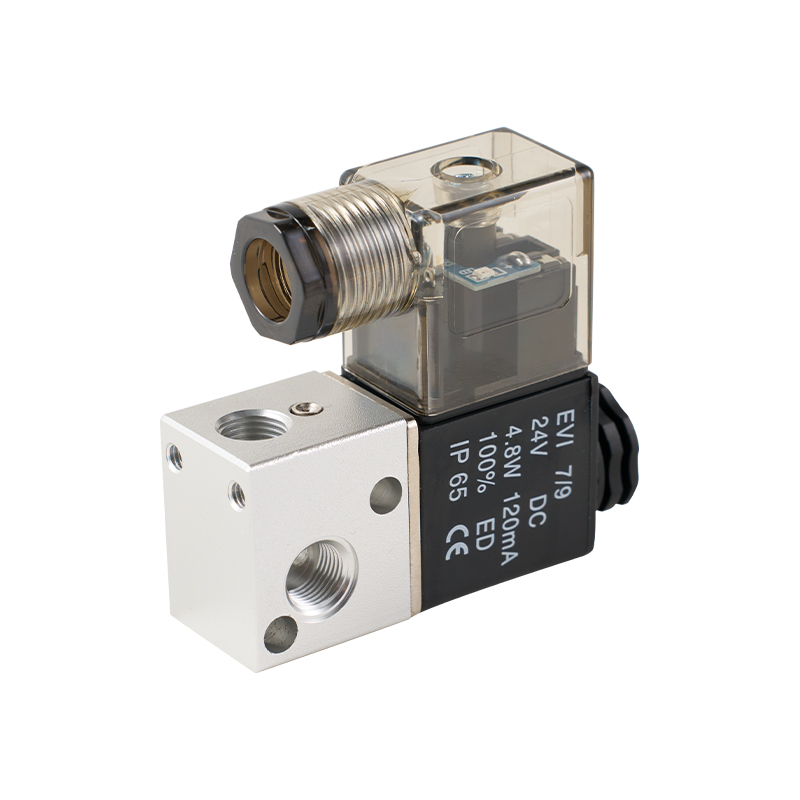
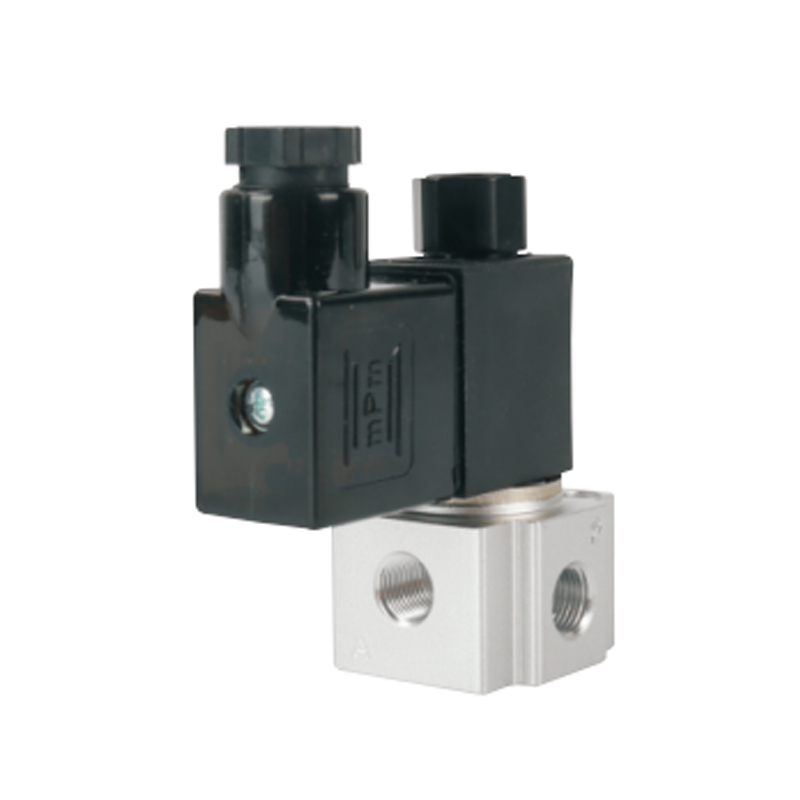
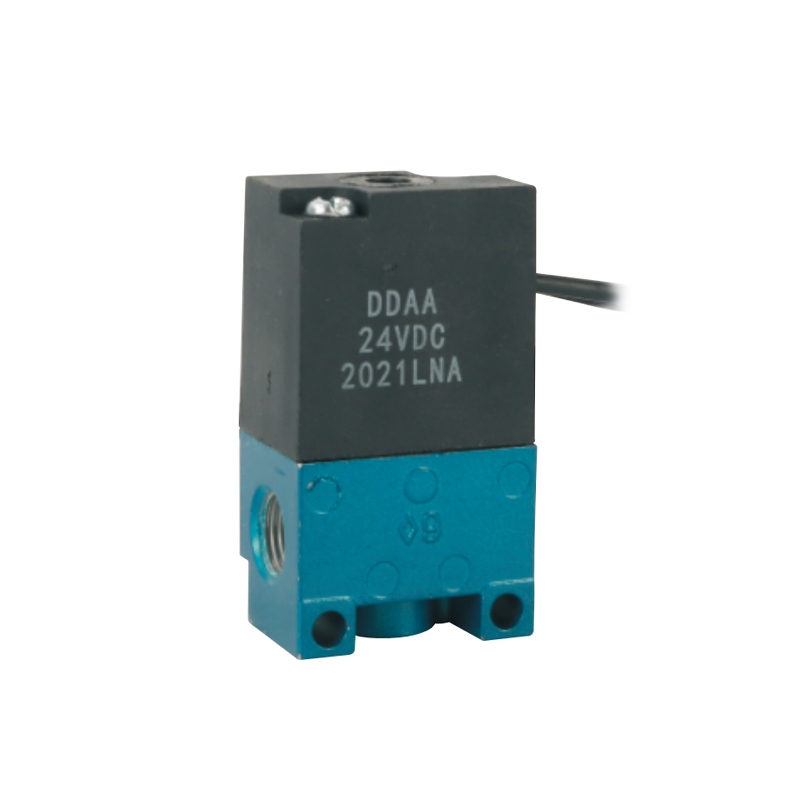
Direct-acting valves do not need a minimum operating pressure. The coil must be strong enough to move the spool or poppet against the return spring and the system pressure. Because magnetic force is limited, direct-acting valves are normally used for small flow rates and small port sizes. They work well for single-acting cylinders, pilot control circuits, and air blow-off applications. For low-flow services that require reliable switching from zero pressure, the CKT VT307 direct-acting seat valve 3-way solenoid valve is a typical example.
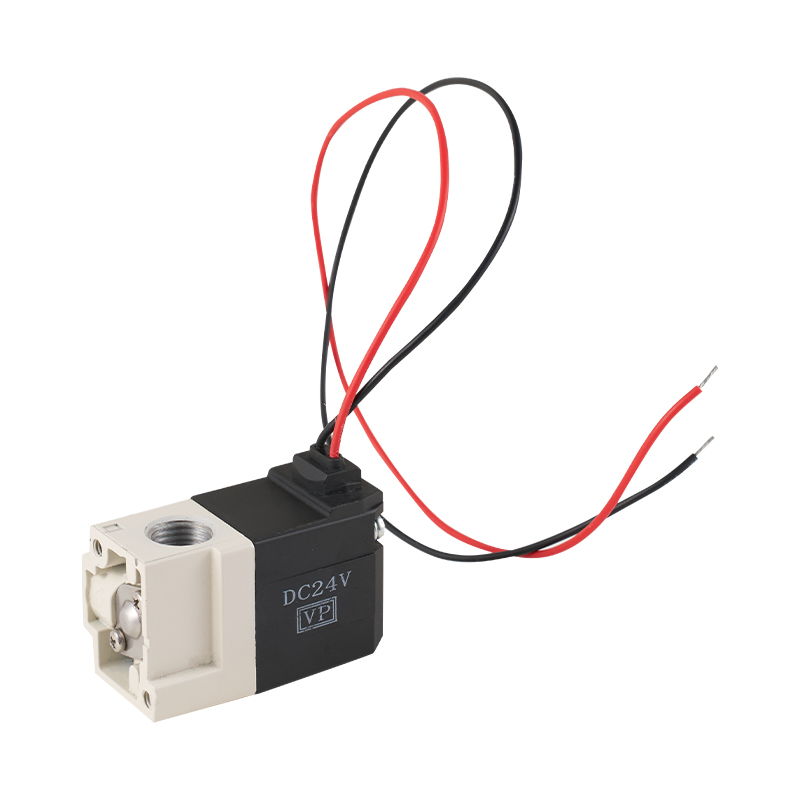 VT307 Series Direct Acting Seat Valve 3 Way Solenoid Valve Suppliers, OEM/ODM FaCKT Pneumatic is a China wholesale VT307 Series Direct Acting Seat Valve 3 Way Solenoid Valve suppliers and OEM/ODM factory, VT307 Series...View Product →
Pilot-Operated Solenoid Valves
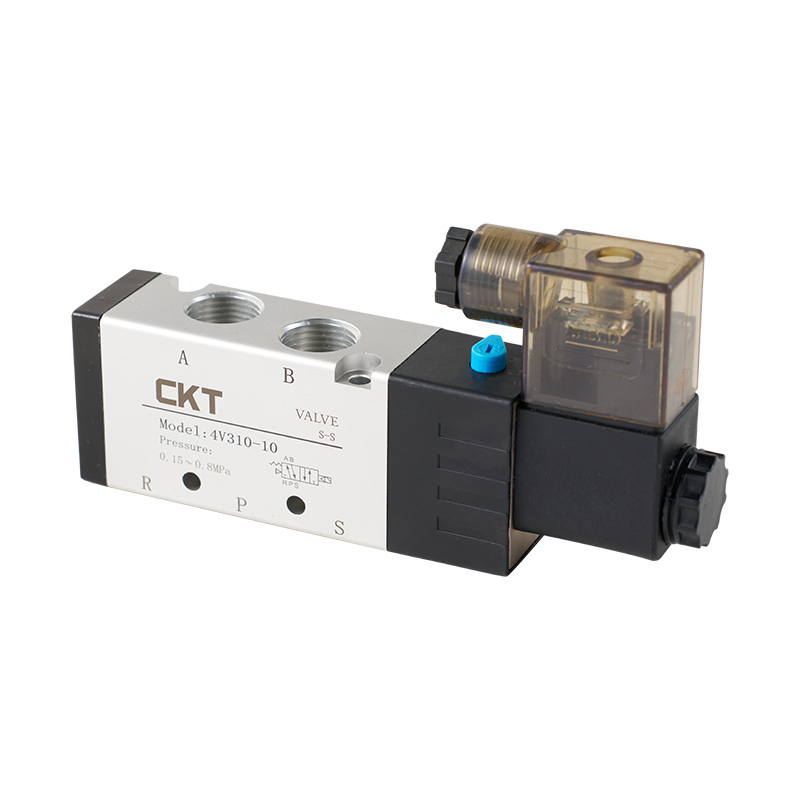
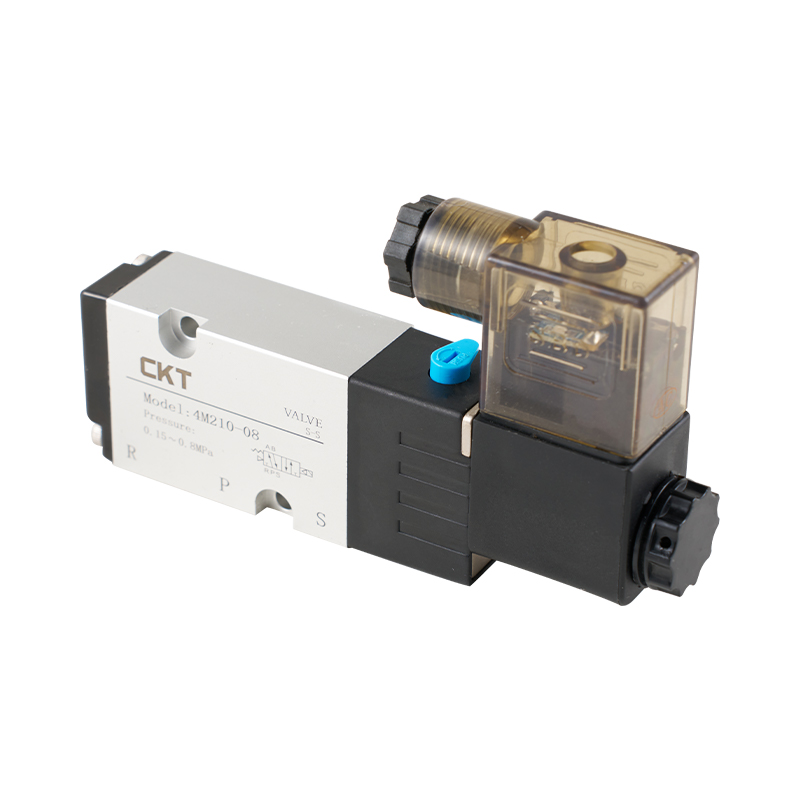
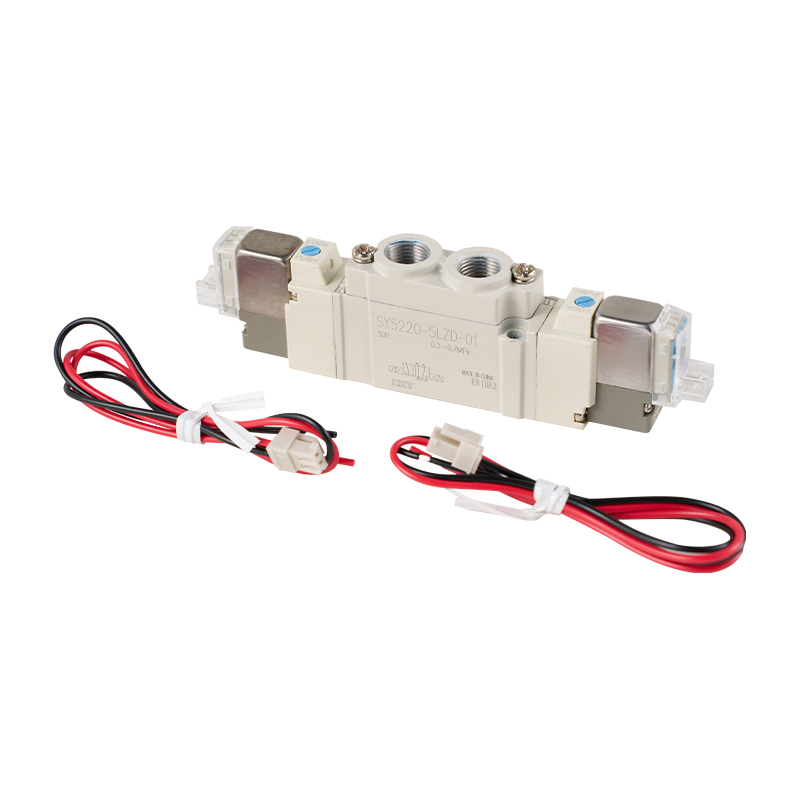
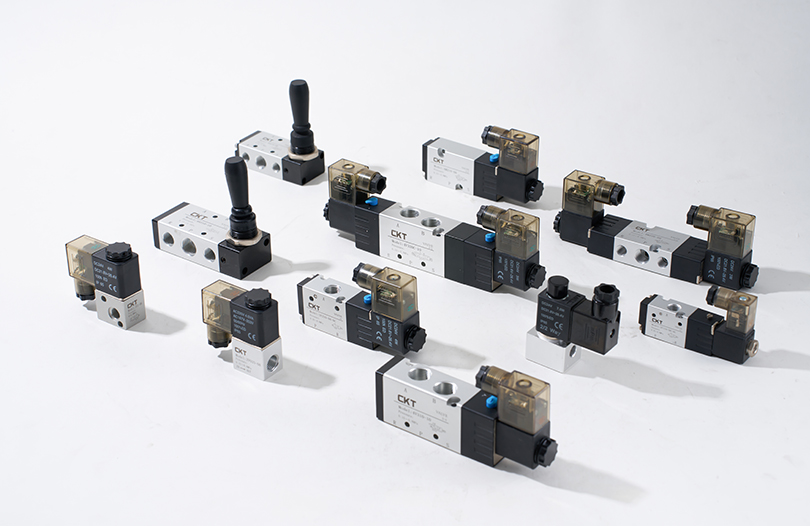
Pilot-operated valves use a small solenoid to direct air to one end of a larger spool. The air pressure then moves the spool. This design is efficient because the coil can remain small while the valve handles high flow. The trade-off is that pilot-operated valves require a minimum pressure, usually around 0.1 to 0.15 MPa, to shift reliably. For typical factory air at 0.4 to 0.8 MPa, a 5/2 pilot-operated valve such as the CKT 4V series pilot-operated 5-way solenoid valve is the standard building block for double-acting cylinder control.
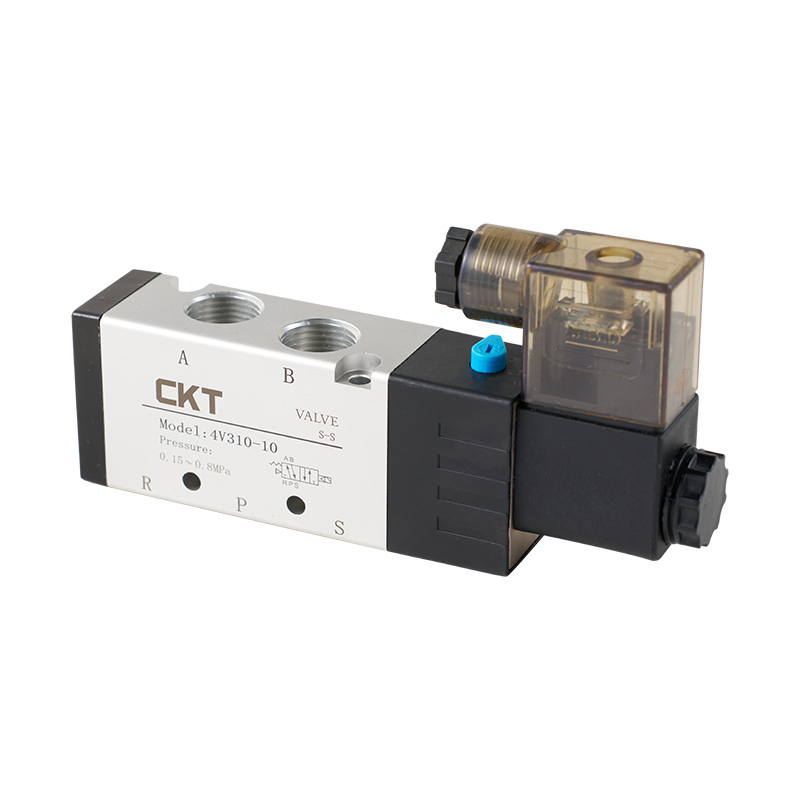 4V Series Pilot Operated 5 Way Solenoid Valve Suppliers, OEM/ODM Factory - ZhejiCKT Pneumatic is a China wholesale 4V Series Pilot Operated 5 Way Solenoid Valve suppliers and OEM/ODM factory, 4V series pilot operated ...View Product →
Pneumatic Solenoid Valve Types: Port Configurations Explained
Pneumatic solenoid valves are usually described by two numbers: the number of working ports and the number of positions. A 3/2 valve has three ports and two positions; a 5/2 valve has five ports and two positions. The first number is more important when you are planning the circuit because it defines how the compressed air is supplied and exhausted.
2/2-Way Valves
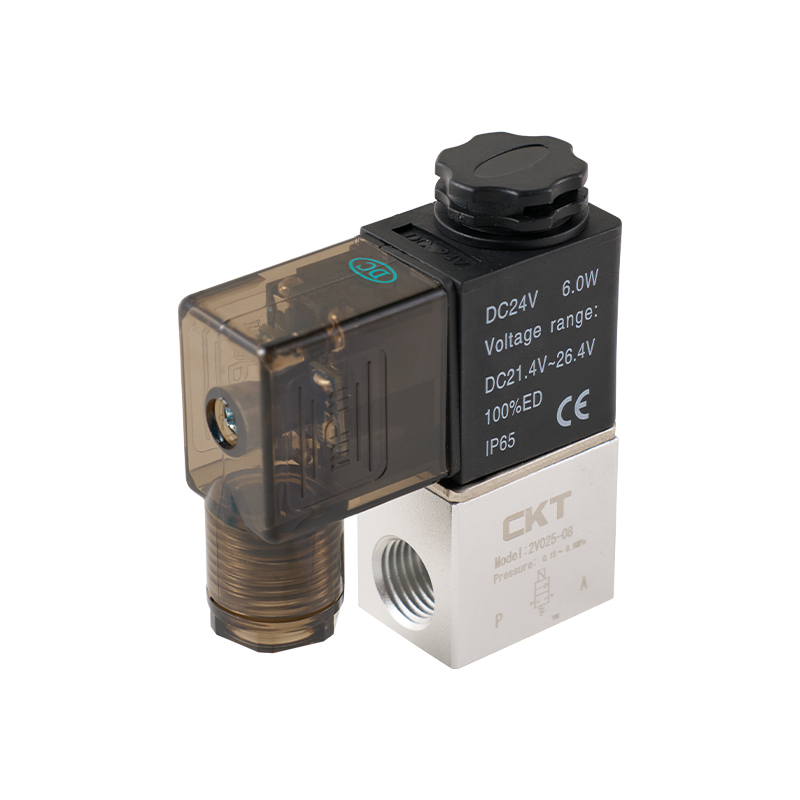
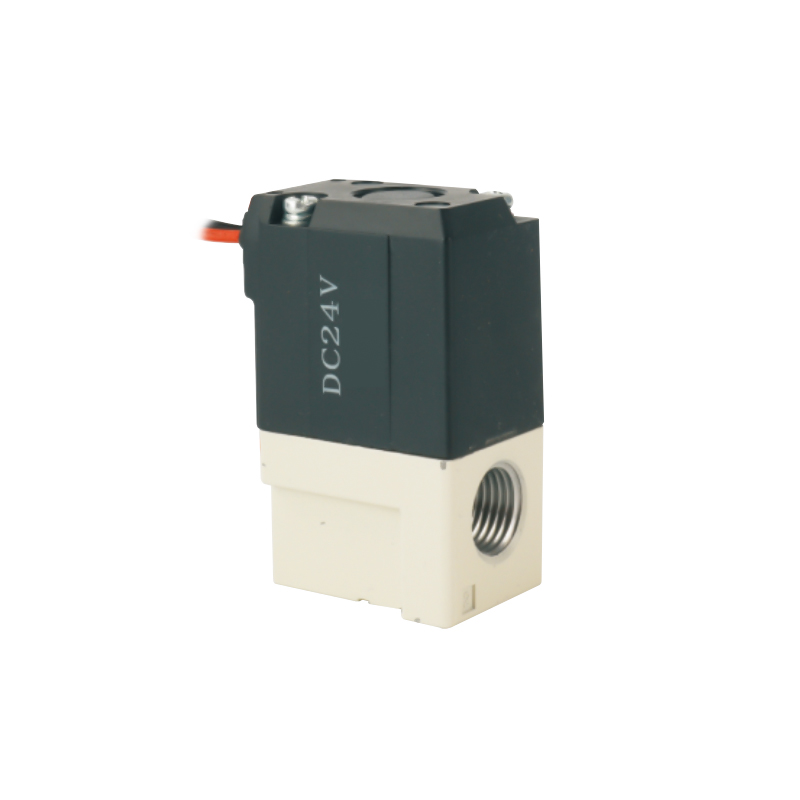
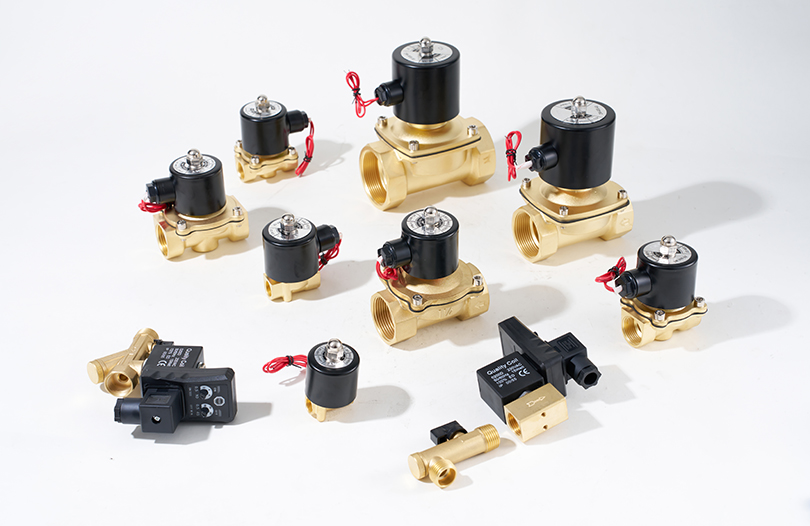
Two-port, two-position valves are essentially on/off valves for air. They are used after the air preparation unit, inside vacuum circuits, or anywhere a line must simply be opened or closed. Because the valve only needs to interrupt one line, the construction is compact. For small lines, the CKT 2V025 direct-acting 2-way solenoid valve is a representative option, commonly supplied in a normally closed configuration.
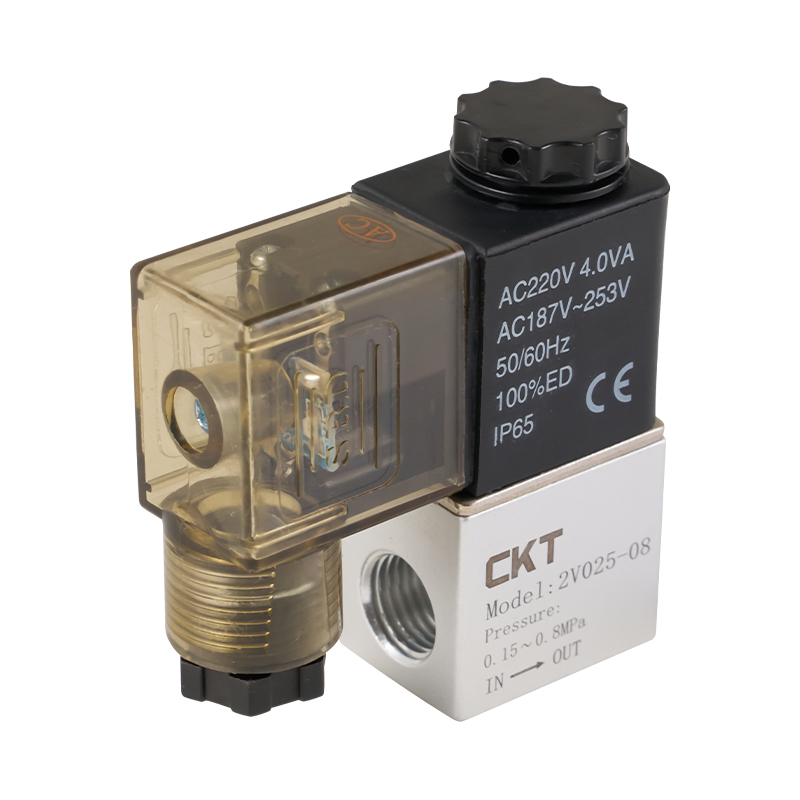 2V025 Series Direct Acting 2 Way Solenoid Valve Suppliers, OEM/ODM Factory - ZheCKT Pneumatic is a China wholesale 2V025 Series Direct Acting 2 Way Solenoid Valve suppliers and OEM/ODM factory, The 2V025 series is a c...View Product →
3/2-Way Valves
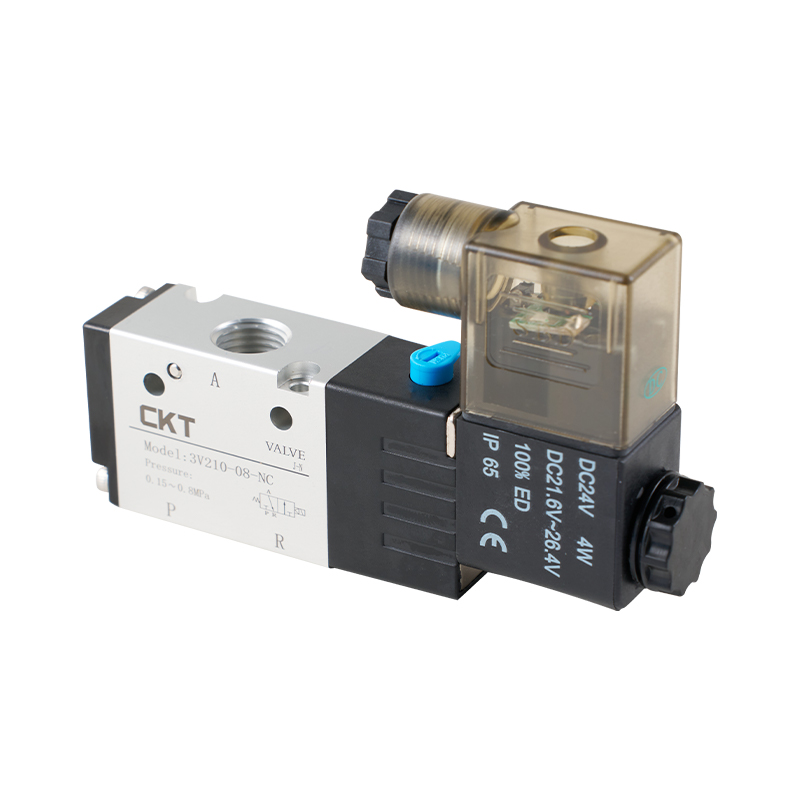
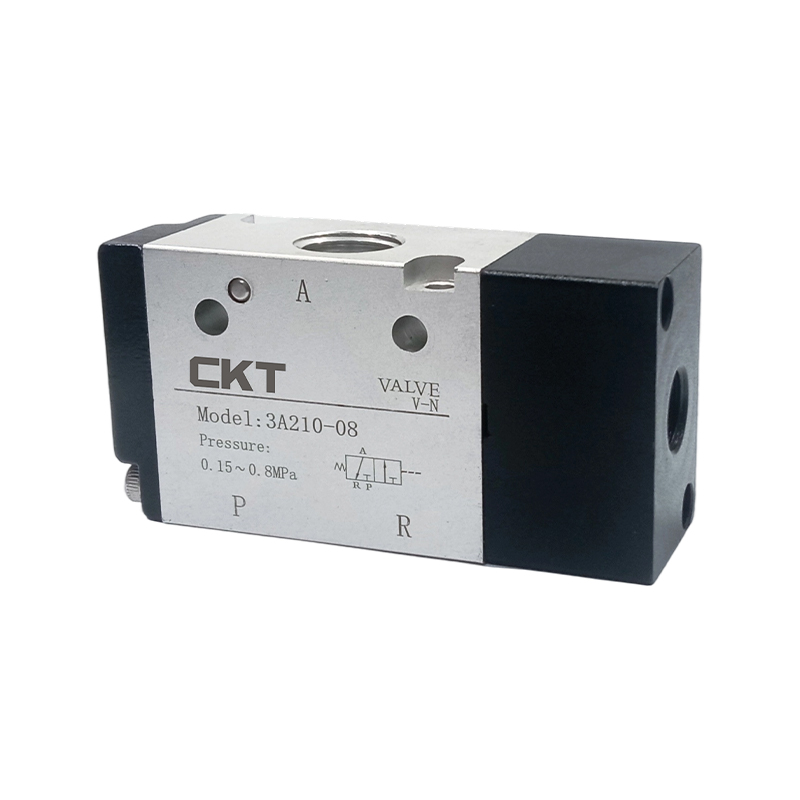
Three ports and two positions make this the classic valve for single-acting cylinders. Port 1 is the supply, port 2 goes to the cylinder, and port 3 is the exhaust. In a normally closed 3/2 valve, energizing the coil sends air from port 1 to port 2; de-energizing exhausts port 2 to port 3. Three-way valves are also used to pilot larger valves, operate vacuum generators, and blow off parts.
5/2-Way Valves
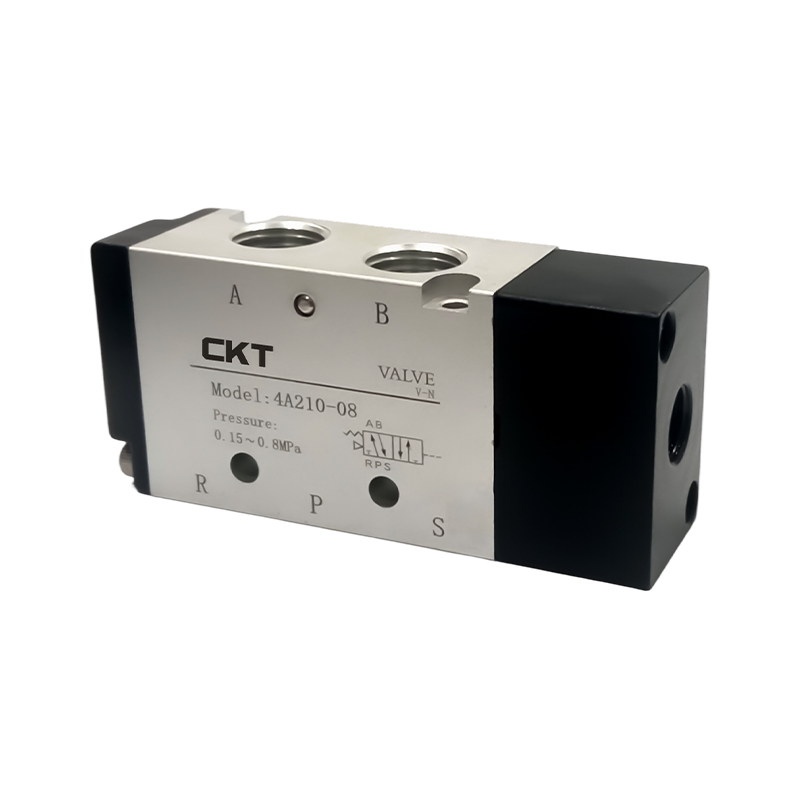
Five ports and two positions are the standard choice for double-acting cylinders. The valve has one supply port, two cylinder ports, and two exhaust ports. In one position, supply is connected to the first cylinder port and the second cylinder port is exhausted; in the other position, supply is switched to the second cylinder port and the first port is exhausted. This alternating connection extends and retracts the cylinder rod.
5/3-Way Valves
Five-port, three-position valves add a center position to a 5/2 valve. The center position can be closed center, exhaust center, or pressure center. Closed center is popular for stopping a cylinder firmly in an intermediate position; exhaust center allows the cylinder to float; pressure center keeps both ports pressurized. The center type changes how the cylinder behaves when both solenoids are de-energized.
| Configuration | Ports | Positions | Typical Application |
|---|---|---|---|
| 2/2 | 2 | 2 | Simple on/off air supply, vacuum switching |
| 3/2 | 3 | 2 | Single-acting cylinders, pilot valves |
| 5/2 | 5 | 2 | Double-acting cylinders |
| 5/3 | 5 | 3 | Double-acting cylinders with intermediate stop |
Direct Acting vs Pilot Operated: A Practical Comparison
The choice between direct-acting and pilot-operated valves is not about quality; it is about the operating envelope. Direct-acting valves work at zero pressure but have lower flow capacity. Pilot-operated valves can handle higher flow with a smaller coil but need minimum pressure. The table below summarises the difference in the way a machine designer should think about them.
| Criterion | Direct Acting | Pilot Operated |
|---|---|---|
| Minimum pressure | 0 MPa | Typically 0.1 to 0.15 MPa |
| Coil force needed | Higher relative to flow capacity | Lower, because air assists shifting |
| Flow capacity | Lower for a given body size | Higher for a given body size |
| Typical port size | 1/8 to 1/4 inch | 1/4 to 3/8 inch and larger |
| Best suited for | Pilot circuits, small cylinders, low-flow service | Main actuator supply, high-cycle systems |
In practice, most production machines use pilot-operated valves for the main cylinder supply because the flow demand is too high for a direct-acting valve of the same port size. Direct-acting valves are then used for pilot control or for applications where the air supply may be shut off.
Normally Closed, Normally Open, or Bistable?
The default state of a solenoid valve determines what happens when the coil is de-energized. This is a safety decision as much as a functional one, because the valve position after a power loss can stop motion, release pressure, or keep a process running.
Normally Closed Valves
In a normally closed valve, the supply port is blocked when the coil is off. A common application is a single-acting cylinder: when power is removed, cylinder air exhausts and the cylinder returns to its spring position. This is usually the safest choice for vertical lifting or clamping devices.
Normally Open Valves
In a normally open valve, supply flows through the valve when the coil is off. This is useful when a cooling air flow or lubrication supply must continue unless the machine is intentionally stopped. It can also be used as a dump valve that stays open at rest.
Bistable or Latching Valves
A bistable valve has two stable states and holds its last position without continuous coil power. It consumes less energy and runs cooler because the coil is energized only during switching. The limitation is that it has no defined fail-safe position, so the control system must handle the lost-power state explicitly.
Key Specifications to Check Before You Buy
A solenoid valve can look identical while performing very differently. The specification table below is the minimum checklist that should be reviewed before ordering a valve for a new machine.
| Specification | Why It Matters | Typical Range |
|---|---|---|
| Port size | Defines the fitting connection and limits the maximum flow. | 1/8, 1/4, 3/8, 1/2 inch PT, NPT, or G threads |
| Cv flow coefficient | Indicates how much air the valve can pass; higher Cv allows faster cylinder movement. | 0.2 to 3.0 for most solenoid valves |
| Operating pressure | Direct-acting valves often start from 0 MPa; pilot-operated valves need a minimum pressure. | 0 to 1.0 MPa direct; 0.15 to 0.9 MPa pilot |
| Supply voltage | Must match the PLC output, relay, or power supply. | DC24V, AC110V, AC220V |
| Power consumption | Affects heat rise and whether a PLC card can drive the valve directly. | 2 to 5 W for small industrial valves |
| Response time | Influences cycle time and synchronization in high-speed machines. | 10 to 50 ms depending on valve size |
| Temperature range | Seals and coil materials set the working limit. | 0 to 60 °C typical; special variants extend the range |
| Enclosure rating | Protects the coil from dust and water splash. | IP65 for washdown environments |
Of these specifications, Cv is the parameter engineers most often underestimate. A tiny 3/2 valve may have a Cv of about 0.3, which is fine for a small-bore cylinder but too small for a 63 mm bore cylinder moving at speed. As a rough sizing rule, choose a valve with a Cv at least 20 to 30 percent higher than your calculated requirement; this leaves margin for line losses, fittings, and aging seals. The calculation is based on cylinder volume and required stroke speed, and you should verify it with your cylinder manufacturer's data.
Installation problems are often caused by mismatched pressure and poor seal fit. For a deeper look at how port connections and seal materials interact, you can read this technical overview of pressure matching and installation sealing.
Mounting Styles: Inline, Manifold, and Sub-base
Inline Mounting
Inline mounting means the valve is installed directly in the air line, usually with tube fittings on each port. It is simple to replace and easy to understand. This is a good choice for machines with one or two cylinders, or for retrofit work where space is not critical.
Manifold Mounting
Manifold mounting puts several valves on a common base with shared supply and exhaust galleries. It reduces tubing, makes wiring cleaner, and simplifies troubleshooting. Most 5/2 solenoid valve families offer manifold plates for two, four, six, or more stations. Before committing to a manifold layout, verify that the valve series you need is available in a manifold-mount version; you can start by reviewing the pneumatic control component range in CKT's product catalogue.
Sub-base or Modular Mounting
Sub-base mounting separates the valve body from the base. The valve can be removed without disturbing the piping. This is common for larger valves and for high-maintenance applications where quick replacement is important.
Application-Driven Selection and a Practical Checklist
Single-Acting Cylinder
For a single-acting cylinder, use a 3/2 valve. If the cylinder is spring-return, choose a normally closed valve when you want the cylinder to retract after power is removed. Add a speed control valve at the cylinder port if the stroke speed needs to be controlled in one direction.
Double-Acting Cylinder
For a double-acting cylinder, use a 5/2 valve. If you need to stop the cylinder at an intermediate position, use a 5/3 valve with a closed center. For long strokes or high cycle rates, choose a larger Cv and check the response time. Also consider the force balance on both cylinder ports, because unequal pressure can cause drift.
Vacuum Handling
Many vacuum systems use a 3/2 or 2/2 solenoid valve just before a vacuum generator to switch vacuum on and off. For releasing workpieces, a quick exhaust valve or vacuum safety valve releases the part faster. The solenoid valve size does not need to be large because the vacuum generator handles the flow; only the pilot flow to the venturi needs switching. This is where small direct-acting valves are especially useful.
A manufacturer with a long solenoid valve track record can simplify this selection process. CKT Pneumatic, which started with 4V solenoid valves in 2002 and has since expanded into a broad, internally manufactured pneumatic component range, is one example of a supplier with practical engineering history in this area.
Use the following checklist when you are ready to place an order:
- Define the actuator type: single-acting, double-acting, pilot, or vacuum.
- Calculate or estimate the required flow and convert that to a minimum Cv.
- Select the port configuration: 2/2, 3/2, 5/2, or 5/3.
- Choose the operating voltage and check whether the PLC can supply theinrush and holding current.
- Verify the operating pressure range against the minimum pilot pressure.
- Choose the mounting style: inline, manifold, or sub-base.
- Confirm ambient temperature and seal material compatibility.
- Check the enclosure rating if the valve is near washdown or dust areas.
Troubleshooting and Maintenance
Common Faults and Fixes
| Symptom | Likely Cause | Practical Fix |
|---|---|---|
| Valve does not shift | No pilot pressure; spool stuck | Check supply and pilot pressure; clean spool |
| Coil overheats | Wrong voltage; continuous duty | Match voltage; reduce duty or improve cooling |
| Cylinder creeps | Internal leakage; seal wear | Replace seals or replace the valve |
| Buzzing sound | Loose core; AC coil air gap | Tighten mounting; replace coil if damaged |
| Slow actuation | Low Cv; blocked silencer or exhaust | Check Cv; clean exhaust silencer and piping |
Preventive Maintenance Tips
- Keep the compressed air clean and dry, and inspect the air filter regularly.
- Keep the inlet pressure within the rated range for the valve type.
- Cycle idle valves at least once a month to prevent spool sticking.
- Inspect coil and seals more frequently in high-temperature applications.
- Do not add lubricant unless the valve specification requires it; many modern valves are pre-lubricated.
- Replace damaged silencers because a blocked exhaust can make the valve behave like a smaller valve.
Frequently Asked Questions About Pneumatic Solenoid Valves
What is the difference between a 2/2 and a 3/2 solenoid valve?
A 2/2 valve has two ports and two positions; it simply opens or closes one air line. A 3/2 valve has three ports and two positions; it can supply air to a device and then exhaust that same line. Use a 3/2 valve when you need to alternately pressurize and vent a cylinder or a pilot chamber.
Can a direct-acting solenoid valve operate at zero pressure?
Yes. Direct-acting valves do not require minimum pressure to shift; they work from 0 MPa up to their rated pressure. This makes them suitable for pilot control circuits and small-flow applications where the main line may be completely shut off.
How do I calculate the Cv I need?
Start with the cylinder bore, stroke, and desired cycle time. Use air consumption per minute and the available pressure to find the required Cv. If you do not have calculation software, use a simple rule: pick a valve with a Cv 20 to 30 percent higher than your calculated number, then verify with the cylinder manufacturer's data.
Why does my solenoid valve overheat?
The most common causes are wrong voltage, continuous energizing with a coil rated for intermittent duty, or poor heat dissipation around the coil. Check the coil rating, the supply voltage stability, and the duty cycle of the application.
What voltage should I choose?
DC24V is the most common choice for PLC-controlled machines because it is safe, simple, and compatible with most controllers. AC110V and AC220V are still used in simpler circuits or legacy panels. Match the voltage precisely, because even a short overvoltage can burn out a coil.
Should I choose a normally open or normally closed valve?
Choose based on the fail-safe behavior you need. If the de-energized state must stop air flow or retract a cylinder, use normally closed. If the de-energized state must keep air flowing to prevent pressure loss or maintain cooling, use normally open.