

 中文简体
中文简体
 English


Content
- 1 What Makes Specialized Industrial Cylinders Essential in Modern Automation
- 2 Core Types of Industrial Cylinders Used in Automation Systems
- 3 How to Size and Select the Right Cylinder for Your Automation System
- 4 Specialized Cylinder Designs for Demanding Automation Environments
- 5 Integration of Industrial Cylinders with Automation Control Systems
- 6 Key Industries Driving Demand for Specialized Industrial Cylinders
- 7 Maintenance Best Practices to Maximize Cylinder Service Life
- 8 Comparing Pneumatic, Hydraulic, and Electric Cylinders for Automation Decisions
- 9 Trends Shaping the Future of Industrial Cylinders in Automation
What Makes Specialized Industrial Cylinders Essential in Modern Automation
Specialized industrial cylinders are the backbone of contemporary automation systems. Without a properly matched cylinder — whether a standard air cylinder or a custom-engineered linear actuator — automated production lines cannot achieve the cycle times, precision, or load capacities that modern manufacturing demands. The short answer: the right cylinder directly determines throughput, repeatability, and total system uptime. Every other component in a pneumatic or electromechanical automation cell depends on the cylinder performing within spec, every cycle, for millions of strokes.
Industrial automation has shifted dramatically over the past two decades. Where a generic, off-the-shelf air cylinder once handled most pick-and-place or clamping tasks, today's systems demand cylinders engineered for specific bore sizes, stroke lengths, mounting configurations, operating pressures, and ambient conditions. A cylinder mismatched by even 10% in bore diameter can reduce force output enough to cause intermittent faults that cost thousands of dollars per hour in unplanned downtime.
This article covers how to select, specify, and integrate specialized industrial cylinders into automation systems — with attention to the engineering variables that matter most in real applications.
Core Types of Industrial Cylinders Used in Automation Systems
Not all cylinders are interchangeable. Automation engineers must understand the functional differences between the primary cylinder families before specifying components for a new cell or retrofit project.
Pneumatic Air Cylinders
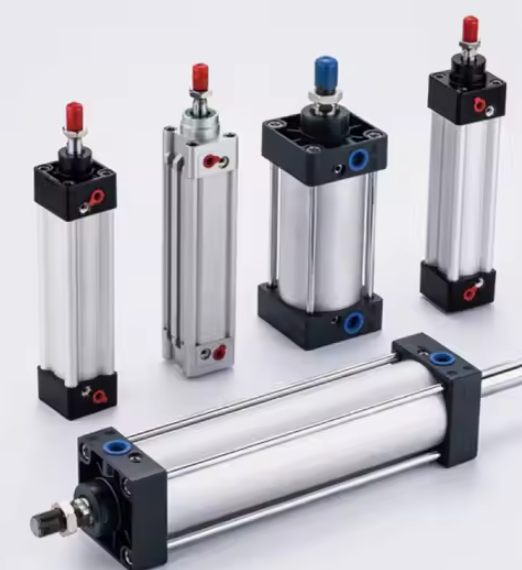
The air cylinder remains the most widely deployed actuator in industrial automation globally. It converts compressed air pressure into linear mechanical force, making it ideal for high-cycle applications where cost per stroke must stay minimal. Standard operating pressures run between 0.4 MPa and 1.0 MPa (approximately 58 to 145 psi), delivering force outputs that scale directly with bore diameter. A 63 mm bore air cylinder operating at 0.6 MPa generates roughly 1,870 N of theoretical thrust — sufficient for a wide range of part-clamping, ejection, and indexing tasks.
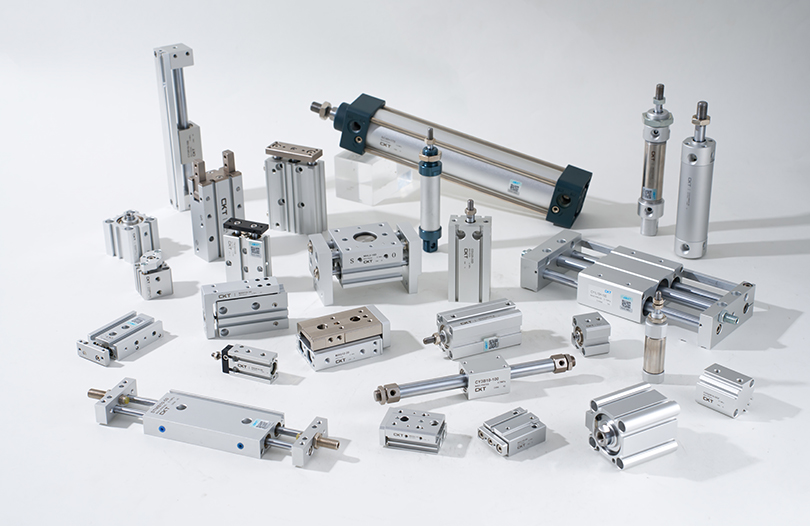
Modern specialized air cylinders go far beyond the basic double-acting design. Engineers now specify variants including:
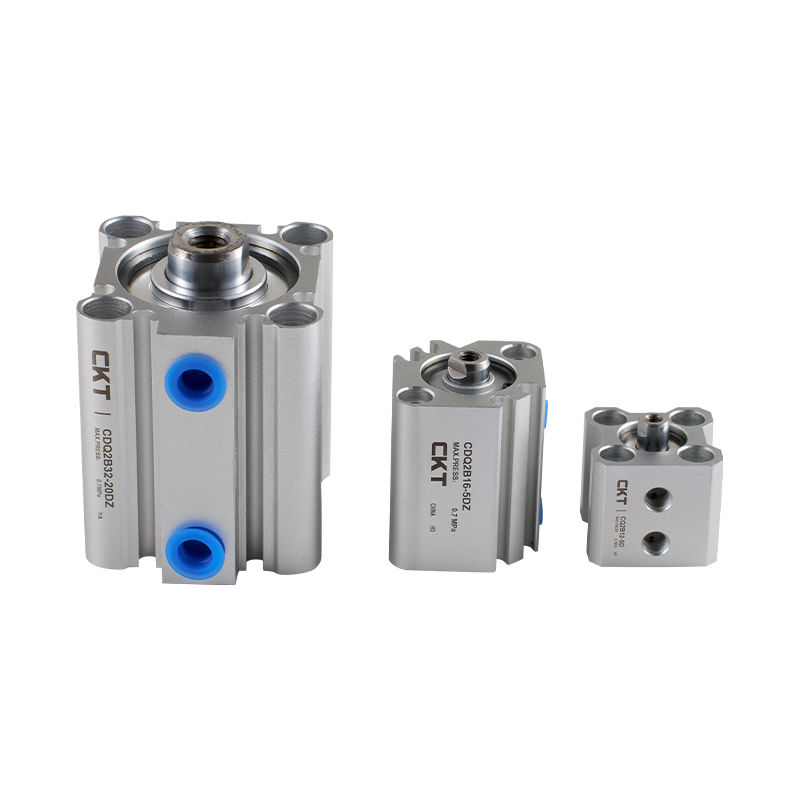
- Compact/short-stroke air cylinders — used in confined assembly cells where installation envelope is less than 100 mm in total length
- Rodless air cylinders — for strokes exceeding 1,000 mm where a standard piston rod would create unacceptable bending moment
- Guided air cylinders — twin-rod or profile-guided variants that resist off-axis loads up to 500 N·m without requiring external guide rails
- Tandem air cylinders — two cylinders stacked in series sharing the same bore, effectively doubling output force without increasing footprint diameter
- Clean-room air cylinders — stainless steel barrel, PTFE seals, and zero-outgassing coatings for ISO Class 5 or better environments in semiconductor and pharmaceutical automation
Hydraulic Cylinders for Heavy-Load Automation
Where an air cylinder tops out at practical force values around 30 kN for standard bore sizes, hydraulic cylinders extend the range to hundreds of kilonewtons. Automation systems for metal stamping, forging transfer lines, and heavy-part assembly presses rely on hydraulic linear actuators operating at 140 to 350 bar. The tradeoff is system complexity: hydraulic power units, filtration skids, heat exchangers, and leak-prevention infrastructure add capital cost and maintenance burden that pneumatic systems avoid entirely.
Electric Rod Cylinders
Electric rod actuators — essentially a servo motor driving a ball screw or planetary roller screw inside a cylinder envelope — have taken significant market share from pneumatic air cylinder applications that require precise position feedback. They offer positioning repeatability of ±0.01 mm or better, programmable force limiting, and energy consumption roughly 70% lower than an equivalent pneumatic circuit when duty cycle is accounted for. Their limitation is peak force density: at equivalent size, an electric rod cylinder still costs three to five times more than a pneumatic air cylinder of the same bore, making economic justification depend heavily on cycle count and precision requirements.
How to Size and Select the Right Cylinder for Your Automation System
Cylinder selection is an engineering calculation, not a catalog lookup. Getting it wrong leads to premature seal failure, rod buckling, or insufficient force — all of which manifest as unplanned downtime that far exceeds the cost of a correctly specified component.
Force Calculation with Safety Factor
The starting point for any air cylinder or hydraulic cylinder sizing exercise is the required working force at the point of application. This value must include:
- Static payload weight acting against the direction of motion
- Dynamic force required to accelerate the load to target velocity within the available stroke time
- Friction forces from guides, seals, and any external mechanisms
- Process forces (clamping, pressing, cutting) at end of stroke
Standard practice applies a safety factor of 1.5 to 2.0 over the calculated theoretical bore-pressure force product. This margin absorbs supply pressure fluctuations (typical compressed air systems vary ±10% from setpoint), seal wear over service life, and load variations inherent in production processes.
For example: if a clamping application requires 800 N at the workpiece and the air supply is 0.6 MPa, the minimum bore diameter calculates to approximately 42 mm at 100% efficiency. Applying a 1.6× safety factor pushes the selected bore to 50 mm or 63 mm depending on available standard sizes — ensuring the cylinder delivers adequate force even when supply pressure drops to 0.5 MPa during peak system demand.
Stroke Length and Rod Buckling Analysis
Stroke length directly affects the piston rod's susceptibility to buckling under compressive load. For any air cylinder or pneumatic actuator with a stroke exceeding approximately 10× the rod diameter, an Euler column buckling check is mandatory. The critical buckling load depends on rod diameter, stroke length, material (typically carbon steel or stainless steel), and the mounting configuration — fixed-fixed, fixed-free, or pin-pin end conditions each give different effective column lengths.
A 20 mm diameter steel rod with a 600 mm stroke in a fixed-free mounting condition has a critical buckling load of approximately 2,850 N — which may be below the force the cylinder is capable of generating. In such cases, specifying a larger rod diameter (25 mm or 32 mm) or switching to a guided cylinder adds lateral support that prevents buckling without requiring the engineer to reduce operating pressure.
Cycle Time and Cushioning Requirements
High-speed automation cells — particularly those running at 60 or more cycles per minute — impose significant end-of-stroke impact loads on cylinder components, valves, and tooling. At these speeds, an uncontrolled air cylinder with a 100 mm stroke can develop piston velocities exceeding 1.5 m/s immediately before end position. The kinetic energy absorbed by the end cap at each stroke must be managed through internal cushions, external shock absorbers, or flow control valves on the exhaust port.
Most specialized industrial air cylinders above 40 mm bore include adjustable needle-valve cushions at both end positions as standard. These allow field adjustment of deceleration distance typically between 5 mm and 30 mm. For applications demanding both high speed mid-stroke and precise controlled deceleration, external hydraulic shock absorbers with adjustable damping provide finer control than pneumatic cushions alone.
| Bore Diameter (mm) | Theoretical Force at 0.6 MPa (N) | Typical Application in Automation | Max Recommended Stroke (mm) |
|---|---|---|---|
| 20 | 188 | Small part ejection, sensor actuator | 200 |
| 32 | 483 | Pick-and-place, light clamping | 400 |
| 50 | 1,178 | Assembly pressing, gate actuation | 600 |
| 80 | 3,016 | Workpiece clamping, transfer lifting | 800 |
| 125 | 7,363 | Heavy fixture clamping, press feeding | 1,200 |
Specialized Cylinder Designs for Demanding Automation Environments
Standard catalog air cylinders handle the majority of benign factory floor applications. However, a significant portion of industrial automation operates in environments that destroy standard components within weeks unless the cylinder design specifically addresses those conditions.
Corrosion-Resistant Cylinders for Washdown and Chemical Environments
Food processing, beverage bottling, and pharmaceutical packaging automation run frequent washdown cycles with high-pressure water, steam, and caustic cleaning agents. Standard aluminum-barrel air cylinders corrode rapidly under these conditions. Stainless steel (typically 304 or 316L grade) barrel and rod construction, combined with FDA-compliant seals in EPDM or PTFE, extends service intervals from weeks to years. The cost premium for a stainless washdown-rated air cylinder over a standard aluminum unit is typically 40% to 80% — a fraction of the downtime cost from a single corroded cylinder failure during a production run.
Chemical processing automation presents even harsher conditions: acids, solvents, and high-humidity environments with condensing water. Cylinder options here include hard-anodized aluminum with PTFE-lined bores, polyphenylene sulfide (PPS) composite bodies, or fully fluoropolymer-coated variants. Seal compatibility must be verified against the specific chemical exposure — NBR seals that perform well in oil environments degrade rapidly in aromatic solvents, while EPDM seals excel in steam and hot water but swell in petroleum-based fluids.
High-Temperature Cylinders for Ovens and Welding Cells
Automation inside industrial ovens, paint curing systems, and robotic welding cells subjects cylinders to sustained temperatures from 120°C to over 200°C. Standard Buna-N (NBR) seals begin degrading at approximately 100°C under dynamic conditions, leading to leakage and loss of holding force within hundreds of hours. High-temperature specialized cylinders use silicone or Viton (FKM) seals rated to 150°C to 200°C continuous service, along with high-temperature lubricants that do not carbonize or migrate out of the seal grooves.
Welding environments also expose the air cylinder piston rod to spatter impacts and UV radiation from arc flash. Hard chrome or ceramic-coated rods resist spatter adhesion and surface pitting far better than standard polished steel, directly reducing seal wear caused by rod surface contamination entering the wiper seal zone.
Cylinders for Explosive Atmosphere (ATEX/IECEx) Applications
Automation systems in grain handling, paint spray booths, chemical blending, and oil and gas processing operate in areas classified as potentially explosive (Zone 1 or Zone 2 under ATEX, or Division 1/Division 2 under NEC). Pneumatic air cylinders are inherently safer in these zones than electric actuators because compressed air contains no ignition energy. However, the cylinder design must still prevent static charge accumulation on non-conductive components and must not generate spark-capable metal-to-metal impact at end of stroke. ATEX-rated cylinders use conductive polymer components, grounding provisions, and soft-cushioned end stops to meet zone requirements without relying on external explosion-proof enclosures.
Miniature Cylinders for Precision Assembly Automation
Electronics assembly, medical device manufacturing, and watch or instrument production require air cylinders with bore sizes from 4 mm to 16 mm, strokes as short as 1 mm, and positional repeatability under 0.05 mm. Miniature pneumatic cylinders at this scale face manufacturing tolerances that represent a larger percentage of component dimensions — a 0.02 mm seal groove tolerance on a 6 mm bore cylinder demands far tighter machining control than the same tolerance on a 63 mm bore unit. Leading miniature cylinder platforms achieve cycle lives exceeding 30 million strokes at full rated pressure through lapped bore finishes, low-friction PTFE composite seals, and precision-ground stainless rods.
Integration of Industrial Cylinders with Automation Control Systems
A cylinder produces no value until it is integrated into the automation system's control architecture. The interface between cylinder mechanics and PLC logic is where many seemingly well-specified cylinders underperform in practice.
Position Sensing and Feedback
Modern air cylinder designs include integrated sensor rails — T-slots or C-slots machined into the barrel — that accept magnetic reed switches, solid-state Hall-effect sensors, or analog magnetostrictive linear position sensors. Reed switches provide a simple open/closed output at defined end positions and cost under $10 per sensor. Hall-effect sensors offer longer switching life (over 100 million operations versus approximately 10 million for reed switches), better vibration resistance, and faster response times in the 0.5 ms range.
For applications requiring continuous position data rather than binary end-of-stroke signals — such as proportional clamping or variable-stroke assembly presses — analog magnetostrictive sensors embedded in the cylinder barrel provide absolute linear position with resolution to 0.1 mm over the full stroke. This eliminates external linear encoders, reduces wiring complexity, and allows the PLC to monitor rod velocity in real time as a diagnostic tool.
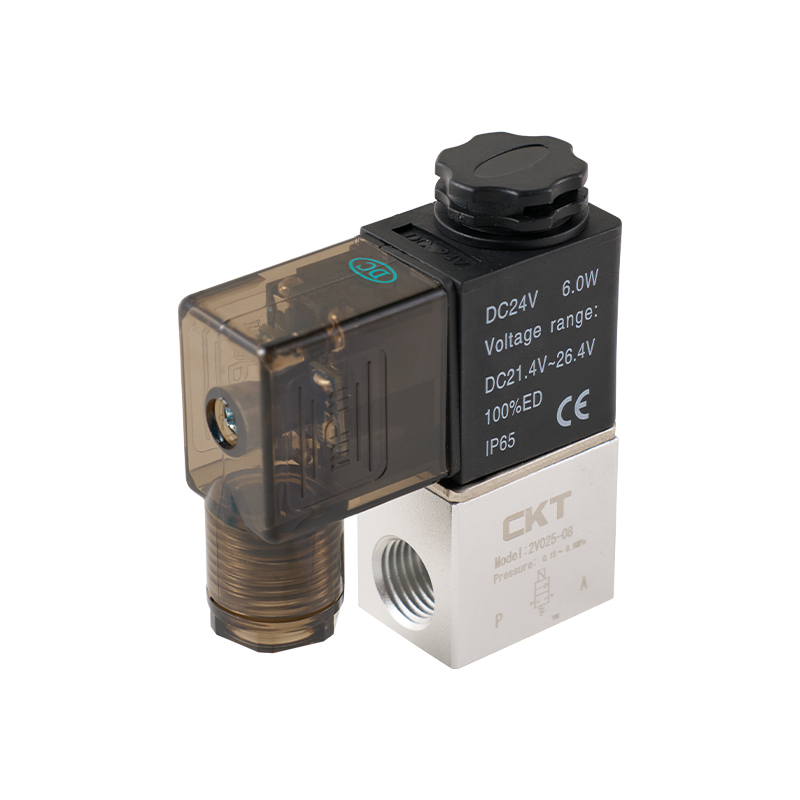
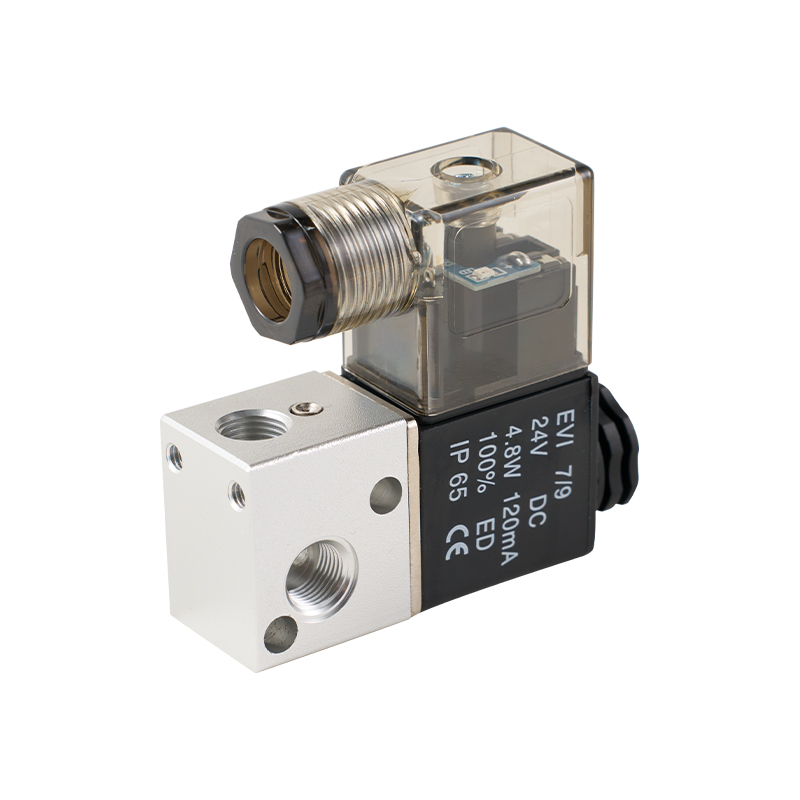
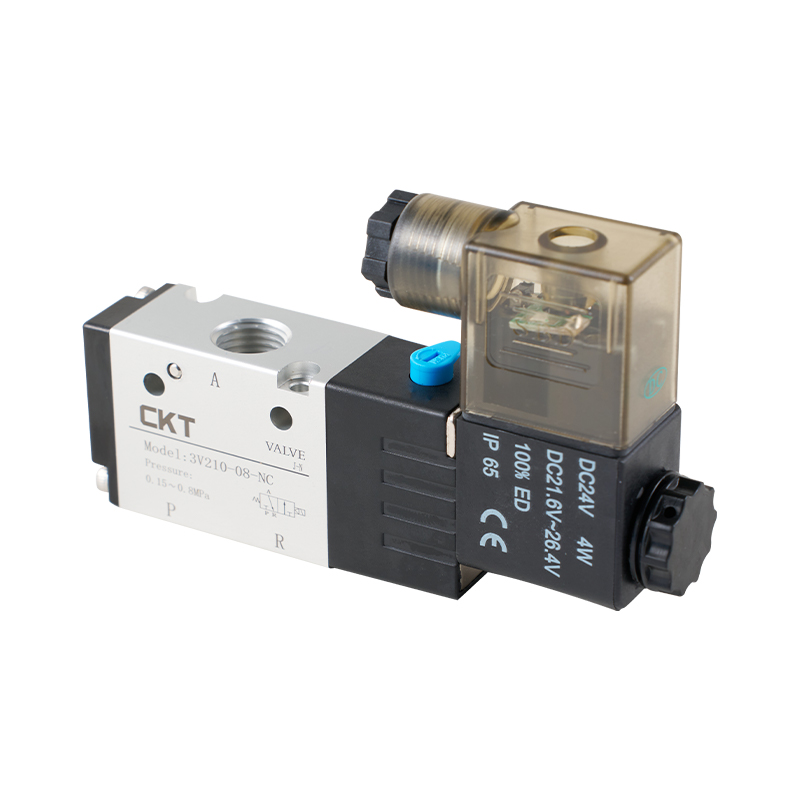
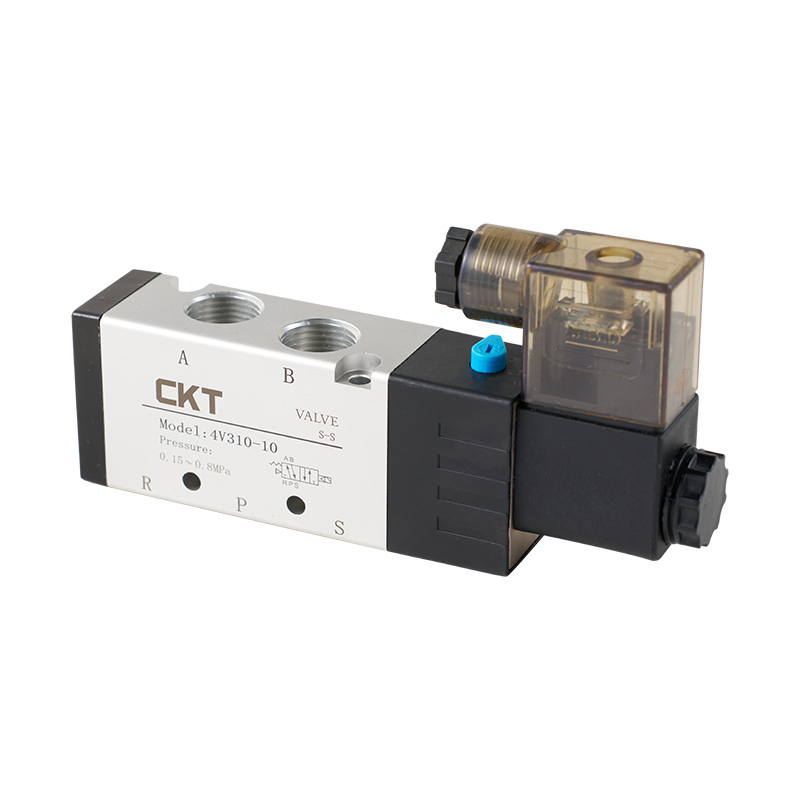
Valve Selection and Response Time
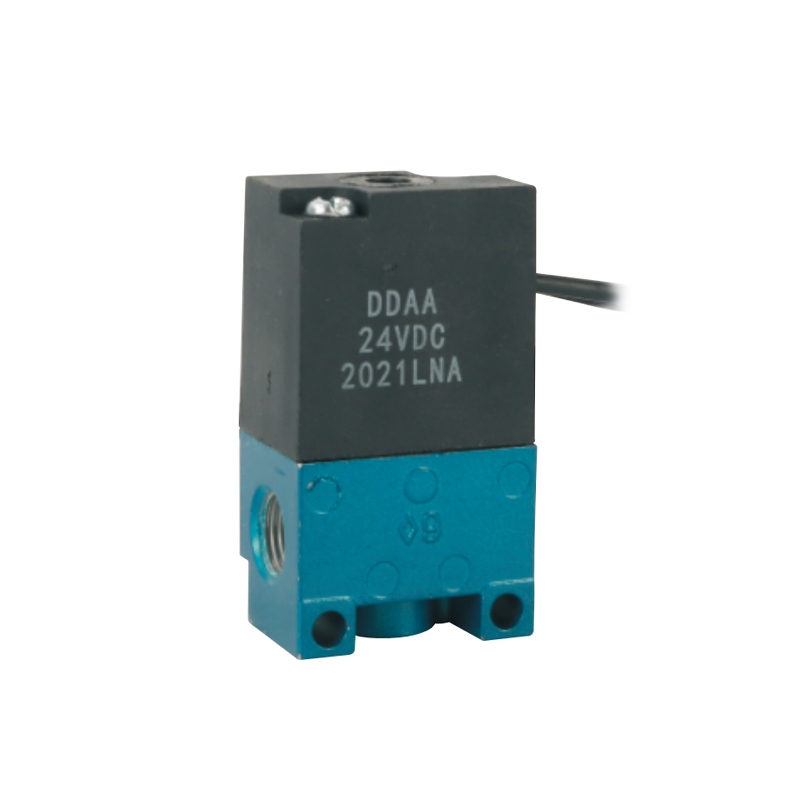
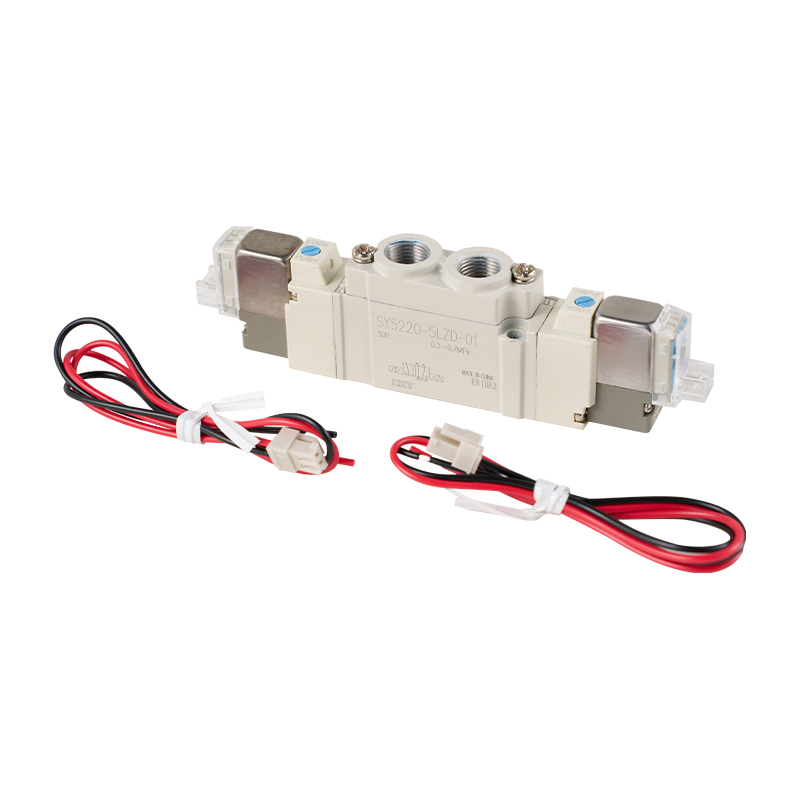
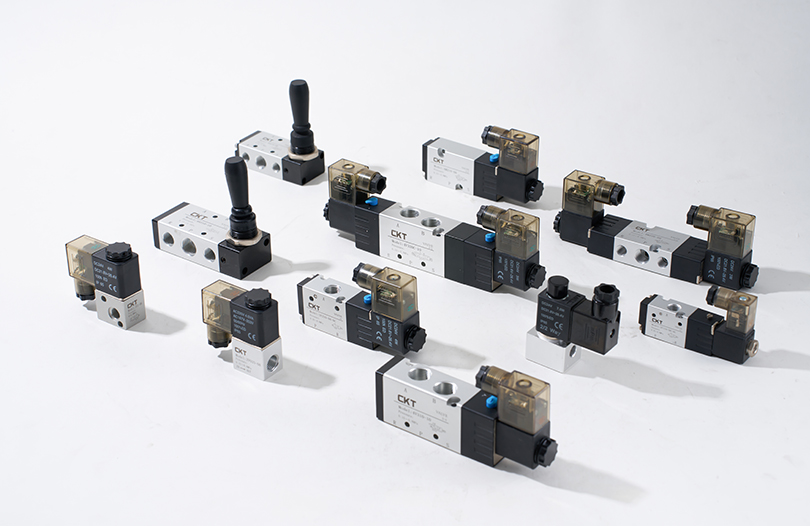
The solenoid valve driving each air cylinder determines how quickly the cylinder responds to PLC commands. Valve response time — the interval between energizing the coil and full port opening — ranges from under 5 ms for high-speed direct-acting poppet valves to 30–60 ms for standard spool valves at 24 VDC. In a 60-cycle-per-minute application with a 200 ms total cycle time, a 50 ms valve adds 25% to the pneumatic actuation time and may make the cycle time target impossible to achieve.
Valve flow rate (Cv value) must also match the cylinder volume and required stroke time. Under-sized valves create a pressure differential across the valve during high-speed strokes, effectively reducing the operating pressure seen by the air cylinder piston mid-stroke even when supply pressure is adequate at the valve inlet. The rule of thumb is to select a valve Cv value that limits the pressure drop across the valve to less than 10% of supply pressure at maximum flow demand.
Fieldbus and IO-Link Integration
Industry 4.0 automation architectures increasingly require cylinder-level diagnostics accessible through the plant's SCADA or MES systems. IO-Link enabled valve-manifold assemblies allow each cylinder's position sensor data, stroke count, cushion pressure, and cycle time deviation to be transmitted to the PLC over standard industrial Ethernet (PROFINET, EtherNet/IP, EtherCAT) without adding discrete I/O wiring. An IO-Link master node can serve up to eight cylinder stations over a single cable, dramatically reducing panel wiring complexity in dense automation cells with 20 or more cylinders.
This connectivity enables predictive maintenance: if a particular air cylinder begins taking 15% longer to complete its stroke — a pattern detectable by comparing timestamped sensor edges — the system can flag the cylinder for inspection before it causes a production fault. Studies from automotive body shop automation have shown that predictive maintenance programs using cylinder-level diagnostics reduce unplanned pneumatic downtime by 35% to 55% compared to fixed-interval replacement schedules.
Key Industries Driving Demand for Specialized Industrial Cylinders
Understanding which industries consume the largest volume of specialized cylinders helps clarify the design priorities that manufacturers and systems integrators must address.
Automotive Manufacturing
A single automotive body shop contains between 800 and 2,500 individual pneumatic and hydraulic cylinders across welding, handling, and assembly stations. Cycle rates commonly reach 240 to 480 strokes per hour per station, meaning a single air cylinder on a high-volume line accumulates over 4 million strokes per year. Cylinder specifications here emphasize seal life, cushion durability, and ease of inline replacement without removing the mounting structure.
Packaging and Logistics Automation
High-speed case erecting, carton sealing, and sortation systems run at speeds that demand cylinder stroke times under 100 ms. Rodless air cylinders with magnetic coupling or mechanical band connections are frequently used for long-travel (500 mm to 2,000 mm) horizontal transfers where a conventional rod would cantilever unacceptably. Packaging automation also runs three shifts per day, 350+ days per year, making mean time between failure (MTBF) a primary specification criterion rather than a secondary concern.
Semiconductor and Electronics Assembly
Wafer handling robots, die bonding machines, and PCB assembly equipment use miniature air cylinders and electric rod actuators requiring sub-micron cleanliness standards. Cylinders in these environments must not generate particles, must resist outgassing that would contaminate sensitive substrates, and must maintain positional accuracy over billions of cycles. The global semiconductor equipment market, valued at over $100 billion annually, drives continuous development of ultra-clean, high-precision pneumatic actuation technology.
Food and Beverage Processing
Filling lines, portioning machines, and packaging cells in food plants must operate safely with product contact surfaces. Air cylinders in these applications require USDA-accepted lubricants (H1-grade food-safe oils), FDA-compliant seal materials, and smooth external surfaces with no crevices that harbor bacteria. Stainless steel variants designed to IP69K ingress protection standards withstand high-pressure steam cleaning at 80°C without seal degradation or water ingress into the cylinder bore.
Maintenance Best Practices to Maximize Cylinder Service Life
Even the highest-quality specialized industrial cylinder degrades prematurely when maintenance fundamentals are neglected. The following practices, consistently applied, extend mean service intervals to the manufacturer's rated cycle life rather than a fraction of it.
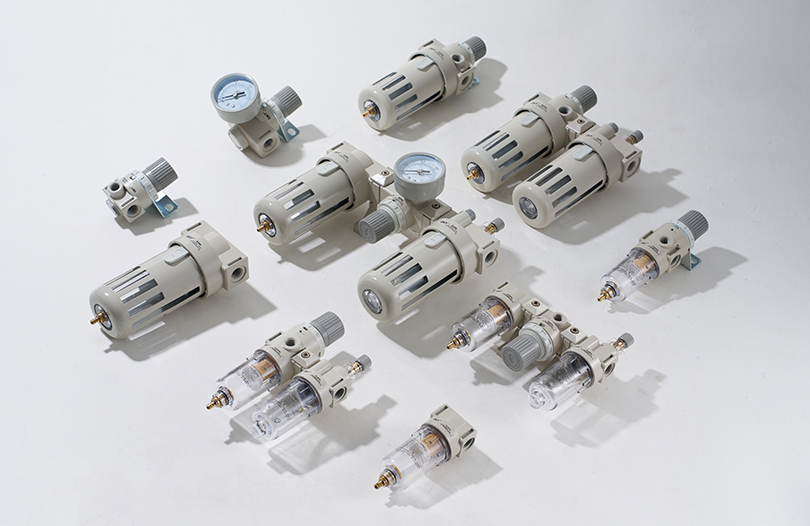
- Maintain compressed air quality to ISO 8573-1 Class 3 or better for general industrial air cylinder applications. Contaminated air carrying water, compressor oil, and particulate is the leading cause of seal degradation and bore scoring. A point-of-use filter-regulator-lubricator (FRL) assembly with automatic condensate drain is non-negotiable.
- Lubricate correctly — or not at all. Many modern air cylinders with PTFE composite seals are designed to run without external lubrication (oil-free). Introducing oil into an oil-free cylinder can swell PTFE seals, causing premature failure. Always confirm lubrication requirements against the specific cylinder seal specification before commissioning.
- Inspect rod surface condition at scheduled intervals. Pitting, scoring, or coating damage on the piston rod accelerates wiper seal wear and allows contamination to enter the bore. Rods showing surface defects covering more than 5% of the contact area within one wiper stroke length should be replaced rather than polished.
- Verify cushion adjustment after any cylinder replacement or mounting change. A poorly adjusted cushion that allows the piston to impact the end cap at full speed generates peak forces several times the operating force, damaging the cylinder, the connected tooling, and the machine structure simultaneously.
- Track stroke counts where possible via PLC cycle counters and compare against manufacturer-rated seal life specifications. Proactive seal kit replacement at 80% of rated cycle life costs approximately $30–$150 in parts and one hour of labor — versus $500–$5,000 in unplanned downtime when the cylinder fails in production.
- Eliminate lateral side loads on rod-type cylinders. Even a 5° misalignment between the cylinder axis and the direction of load travel creates continuous side loading on the rod bushing and seal, reducing service life by 40% to 70% in documented case studies. Floating rod couplings or self-aligning mounts compensate for minor fixture misalignment without requiring precision realignment of the entire cylinder mounting.
Comparing Pneumatic, Hydraulic, and Electric Cylinders for Automation Decisions
No single actuator technology wins across all automation scenarios. The decision between a pneumatic air cylinder, hydraulic cylinder, or electric rod actuator should be made against the specific performance, cost, and operational requirements of each application axis.
| Criterion | Pneumatic Air Cylinder | Hydraulic Cylinder | Electric Rod Actuator |
|---|---|---|---|
| Force range (standard) | Up to ~30 kN | Up to 500+ kN | Up to ~50 kN |
| Position accuracy | ±0.5–2 mm (end stop) | ±0.1–1 mm (servo valve) | ±0.01–0.05 mm |
| Initial cost (relative) | Low | Medium–High | High |
| Energy efficiency | Low (25–35% overall) | Medium (60–75%) | High (85–95%) |
| Max cycle rate | Very high (300+ CPM possible) | Medium (limited by oil flow) | High (servo-dependent) |
| Cleanliness | High (dry air options) | Low (oil leak risk) | Very high |
| Hazardous area suitability | Excellent (ATEX variants) | Good (non-sparking fluid) | Requires Ex-rated motor |
The data above illustrates a consistent pattern: the air cylinder wins on cost, speed, and clean-environment suitability for the majority of automation tasks that do not demand extreme force or precision beyond ±0.5 mm. Hydraulic cylinders remain the only practical choice for high-force slow-motion applications. Electric actuators justify their cost premium primarily in applications where programmable intermediate positioning, force limiting, or energy consumption logging create measurable production value.
Trends Shaping the Future of Industrial Cylinders in Automation
The cylinder as a component class has evolved significantly over the past decade and continues to develop in response to automation system requirements that were niche specifications five years ago but are now mainstream procurement criteria.
Energy Recovery in Pneumatic Systems
Compressed air is expensive: generating 1 Nm³ of air at 0.7 MPa typically costs $0.02–$0.04 depending on compressor efficiency and local electricity rates. A manufacturing plant with 500 air cylinders cycling at average rates can spend $50,000–$200,000 per year on compressed air alone. Pressure-boosting circuits, closed-loop air recovery systems, and energy-efficient cylinder designs with reduced dead volume are increasingly specified in new automation projects as sustainability mandates tighten. Some advanced pneumatic drives now recover exhaust air from the return stroke to partially pressurize the advance stroke, reducing net air consumption by up to 30%.
Additive Manufacturing for Custom Cylinder Geometries
Metal additive manufacturing (laser powder bed fusion, directed energy deposition) has opened the door to air cylinder and actuator designs with internal geometries impossible to achieve through conventional machining. Integrated manifolding within the cylinder body, conformal cooling channels for high-temperature applications, and topology-optimized structural sections that reduce weight by 20–40% without reducing strength are moving from prototype stage to series production for specialized automation applications. Lead times for fully custom cylinder bodies are dropping from 12–16 weeks (traditional machined custom) to 3–5 weeks for additive-manufactured variants.
Soft Robotics and Compliant Pneumatic Actuators
For automation tasks involving delicate, irregular, or variable-geometry workpieces — fresh produce handling, textile manipulation, fragile electronics assembly — traditional rigid air cylinders are being complemented by soft pneumatic actuators made from elastomeric materials. These bellow-type or fiber-reinforced actuators produce grasping or bending motions at low pressure (under 0.1 MPa) with inherent compliance that prevents workpiece damage. They represent a new frontier in pneumatic actuation that standard cylinder catalogs do not yet fully address, but that increasingly appears in the requirements documents for next-generation automation systems.
Embedded Condition Monitoring at Cylinder Level
The convergence of MEMS sensor technology, IO-Link communication protocols, and edge computing is producing air cylinder assemblies with built-in pressure transducers, temperature sensors, and vibration monitors reporting real-time health data to plant control systems. Rather than relying on end-of-stroke position sensors alone, these smart cylinders monitor internal bore pressure profiles, detect anomalous cushion behavior, and accumulate cycle count data in non-volatile memory that persists through power cycling. The cylinder effectively documents its own service history — a capability that maintenance teams in high-uptime facilities now consider a selection criterion rather than a premium option.